Why would I expect to behave just like all of my family? I was born “off-generation” – my father was old enough to be my grandfather. He was number 5 in a family of 15 children. The brother that I know he spent most of his happier times with was 20 years younger than he. My first cousins weren’t my friends because they were old enough to be my parents. My oldest siblings were old enough to be my parents. In fact, 3 nieces and a nephew are older than I. My youngest siblings were not my friends but my secondary care-givers as they were teenagers in the house when I was born. And because I was born into a blended family – the sole member in the Venn diagram of my family – my home culture was different than that of any of my siblings. The day-to-day norms of my father’s first family unit were different than those of my mother’s first family unit and different than those of my day-to-day norms. Why would I expect to behave just like all of my family?
Why would I expect to look just like all of my family? I was the only child between my parents. I have no other siblings with both my mother’s and my father’s genes combined. I don’t particularly look like my oldest siblings who possess half of my father’s genes and half of their mother’s genes. I don’t particularly look like my youngest siblings and we all have different fathers. My paternal grandfather was gone well before I was born and I never saw a photograph of him until I was an adult. I couldn’t find myself in his face. My paternal grandmother was around for the first 8 years of my life but I probably saw her about 8 times in that life. I couldn’t find myself in her face – she was in her 80s for all of my life which I’m sure didn’t help. I didn’t see my face in that of my paternal aunties and uncles. I didn’t look like my cousins. My maternal grandfather was essentially a question mark and as far as genetics from him he remains a question mark. A photograph was sent to me fairly recently that is unconfirmed but highly likely him and I don’t see myself in his face. My maternal grandmother was unknown to me except in a photograph and I couldn’t find myself in that picture. I didn’t find my face in my mother’s only sibling – my uncle has a different father than my mother. Why would I expect to look just like all of my family?
Why would I expect to be the same person as all of my family? They are my tribe but I was not raised in my tribe. I was raised as if I were an only child. I was raised in a household of three people of three generations. I was raised by people who intentionally raised me with a different hand than the one they’d used to raise their older children. And I was raised in a vacuum of sorts – we were estranged from much of my family both immediate and extended. I was born in what has now been considered a sub-generation, not quite the generation before and not quite the generation after, a proud Xennial. I lived in what was considered “the country” to my maternal family and what was considered “the city” to my paternal family. And much of my life was presented to our community as a series of lies of omission. To be accepted by all the different sectors of my tribe, when necessary for us to interact, I had to imitate a person they would admire and value. Why would I expect to be the same person as all of my family?
When Mommy sent me out with Daddy alone, she told me not to be myself and to not let people see how I really act. I think I’ll just leave that right there for now.
The first years after college graduation were pretty hellish for me (and therefore everyone else around me). If rage could be a person, I was that person. Rage and fury kept my blood between a low simmer and a rolling boil all day every day. During that period of time my sister named me Rebel Gina. The first time she gave me that name she explained that she was confused by my behavior and even pointed out that I looked like I was dressed for combat – I wore Army green and black when I wasn’t wearing heather gray and black which I associated with grief, funeral clothes. My hair was short and red and wild – it was chemically relaxed but I didn’t straighten it with heat and let it dry by holding my head out the window speeding down the highways. I listened to rock music – an unofficial no-no for my family and according to what I’d been told, not intended for black people in general. I wasn’t in church every time the doors opened. In fact, I didn’t have a church home for the first time in my life though I generally attended my sister’s church at the time. And things considered New Age and Occult captured my interest. What was happening was I was experimenting with the “real” me who was screaming to be released from oppression.
I miss Rebel Gina even though she was too angry for me to embrace with joy. And Rebel Gina was not intended to be a compliment of any kind – maybe not quite an insult but it was not intended as a good name. In my rage I loved the name she gave me. It fit what was happening; I truly was rebelling against everyone and everything all day every day. If Rebel Gina wants to come back wearing graphic tees and destructed denim, teaching me how to relax, she’s welcome. If she can simply revel in the joy and charm of Regina Lynette, she’s very welcome to stay.
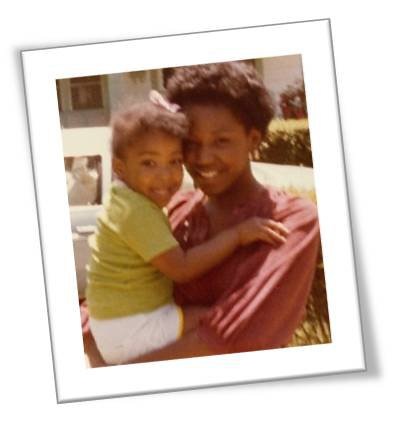
The women in my life during those tender years when a baby girl starts imagining what she will become when she’s older were my mother and her second child (Sissy). Mommy was 34 years old when I was born, and I was her third child. And in the end she found I had stolen her girlish figure and threw it in the trash when she wasn’t looking. To little girls imagining what she will become when she’s older, a person who hates her own body is not the person you want to become. So this little girl looked to her older sister.
Sissy was 14 years old when I was born. And what I didn’t know then but would soon realize, God didn’t design me to be my sister’s twin. And to make sure I was never confused about His intention, in His infinite wisdom and with His ultimate creative self He made us opposites in nearly every way but gender and race.
Me and Sissy
When I could see that I was already “curvier” than Sissy somewhere around age 5 (19 for her) I wanted to start dieting. Mommy was forever on a diet so I wanted to get started early so I could make sure I grew up to look like Sissy and not Mommy. Well, I don’t know what you tell a mother who understands exactly why her 5-year-old little girl wants to diet – the world was still calling her “healthy” – and also knows that it’s completely unreasonable for her 5-year-old little girl to go on a diet. It would take a couple years but unfortunately, Mommy eventually gave me her blessing and we dieted together well before my first signs of puberty. She was careful to monitor my dieting and modified it according to whatever standards she thought best and we added intentional exercise to the regular roller skating, bike riding, and running I did while playing with my friends. And I always managed to lose some weight but never in the places I wanted and never enough to keep me from being called “healthy”.
Me and Sissy
God was also constantly reminding me that I was not created in the image of Sissy. To really hammer it in that I was not her twin, He showed me just how different we would forever be. She was pregnant when I was 12 years old. In her early pregnancy, you know those weeks where your clothes are just starting not to fit but you’re not quite ready for maternity wear, was the first step toward my resignation of my fat-girl destiny. My clothes were the clothes she borrowed when her own were too tight. In case you didn’t catch it, at 12 years old, my 26-year-old pregnant sister needed to borrow my clothes. My 12-year-old clothes were maternity clothes for my 26-year-old sister. I blamed this one on God even though I was angry at the entire world around me. It just wasn’t fair.
Me and Sissy
Just before I went away to college I weighed myself and started accepting my fate as a fat-girl with less anger. I was what I judged too close to my father’s weight at the time. And then my only goal became to always weigh less than he – a man 4 inches taller than me and slim with long limbs. The day I outweighed him, I went to the “fat-girl” shops to find something large enough to drape my sow-shaped body and found little solace in the fact that the smallest sizes were too large. I was struggling to find my size – how could I be fat at Lerner New York and skinny at Lane Bryant? I couldn’t understand it and hated my body more. I resorted to what I’d done my entire life – diet and exercise and lose a few pounds, giving up after not losing enough weight and not in the right places.
Me and Sissy
I would repeat this cycle until 7 years ago when I just gave up. I don’t imagine I’ve given up forever, but I am still stuck in the give up. Just before I gave up I had lost over 40 pounds and was very excited about my progress. The first blow was that my bloodwork didn’t show enough improvement to match the effort I was putting in. The second blow was when I looked back on some photos of me as a kid and I didn’t see a fat girl looking back at me. I felt betrayed by all the people who had called me “healthy” when I was a perfectly average little girl. It was enough to push me over the edge into a depression that would take nearly a year to climb out of (with medication and talk therapy) having regained all but ten pounds of the weight I’d lost.
Me and Sissy
I had always believed that I was a fat girl. But I also had always been told (and believed) that I could fight it and become what I’d always wanted anyway – slim. And I am not sure if we’re in the middle of that story or the end.
I am a Fat Woman. And I don’t love that Fat Woman.
After my mother died my father remarried. He was looking for a way out of a financial bind and a new mother for me – or a way to not be alone because he knew I wanted to live with one of my sisters. So, my father made a mistake and he married an abusive witch who made my life, our lives, hell until we escaped. I left for college; he left for heaven. The last five years before I graduated high school was not only a hell created and maintained by my step-monster, but my father emotionally abandoned me at the same time. His abandon was driven by many things, mostly those pesky good intentions, but mainly by my step-monster’s “rules”. I was not allowed to talk with my father alone. Ever. And that was one thing he and I had my entire life – time alone together for philosophical conversations, even as a very young child. I tried to hold on to the fact that my father loved me during this time but many of his behaviors did not demonstrate love. However, on the other side of that period of time it would turn out to be the knowledge that he loved me that would facilitate the healing of my broken heart.
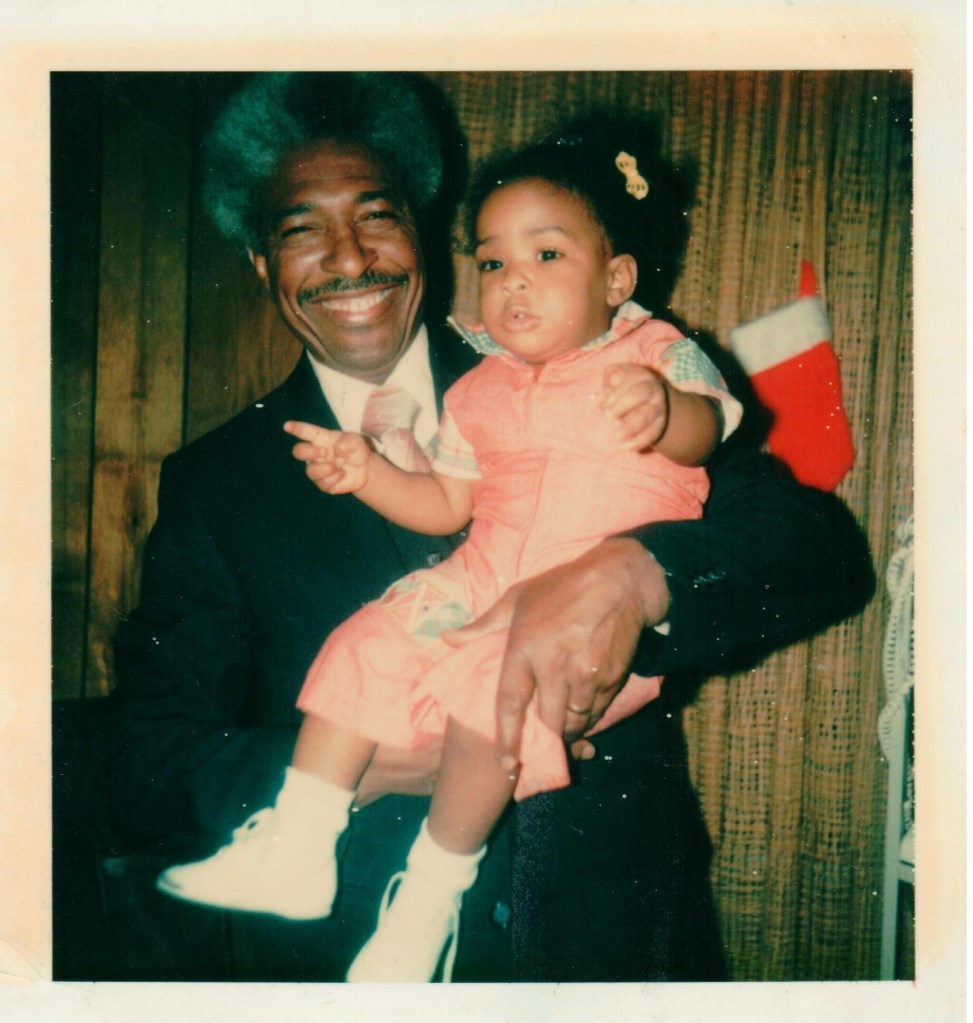
Tell me that old man doesn’t adore that little girl! That’s me on my first birthday in my Daddy’s arms.
I went to university in another city and only visited him once a year and only at our church building. I refused to return to that witch’s house ever again after I left town hours after high school graduation. Then he was diagnosed with lymphoma. I can’t remember any details of that except I kept up to date with his progress through my sister – his oldest daughter – and I was able to talk to him on the phone occasionally. Even though I’d prayed for his healing and elicited prayers from my Watch-Care church, I prepared myself for his death. He was in his late 70s living with an inhumane abusive human, trying to help pastor a church while our pastor was in jail. I found a level of resolution and peace about his death, which would possibly happen during critical classes in my final year, and would alert my professors and the dean that I might miss a week of classes with little notice should he die.
Because my father was old and ill (he was healed of the cancer, but his body was worn out from the chemo) I went to visit him over Christmas break during my last year in school. Unfortunately this meant I had to go into the step-monster’s house and she had the nerve to try and keep me away from him – I’d had a lingering cough from pneumonia but was well. She and I almost fought, physically, twice during that short visit. But it was during that visit, he and I finally and truly reconciled. We shared a few poignant moments that I am very grateful for because that was the last time I would see him alive.
Before going to New Nonconnah Missionary Baptist Church in Memphis one cold Easter Sunday morning.
That Valentine’s Day, a Monday, was an early day in my teaching schedule – I had to get up about 5AM to be sure to arrive at school in time. After I finished my shower, still standing in my robe, I saw my answering machine flashing. My heart fell. No one would call me at that hour unless it was horrible news. I listened to the message hoping the person would have left the details of the call in the message but they didn’t. It was my sister – my father’s oldest daughter – telling me to call her as soon as possible. That could only mean that something had happened to Daddy. I thought to take a moment and calm my breathing, maybe get dressed to feel less vulnerable but I couldn’t wait to hear the bad news. She spoke with nervous energy and asked an odd question – she asked if I knew why she was calling. I suppose someone else should have called me first because someone called her to tell her what she called to relay. But no one had called and I didn’t expect anyone to call me with any news about Daddy but her. And I really wanted her to get to the point. I told her I assumed it was something about Daddy and she told me that he’d died about an hour or two before she called.
I told her I needed to get to the school but to let me know as soon as anyone decided on a date for the funeral so I could alert the dean and try to work something out to be at the funeral and to graduate on time. I didn’t really cry – a few tears made their way through but I didn’t give in to the urge to cry. I had business to take care of, like figuring out how to get to a funeral and back to class within the allowed days of absence required to pass. I couldn’t break down – be non-functional – so I didn’t allow grief to set in.
I went to school and told the lead teachers that my father had died that morning and that I would need to speak with the dean when she arrived. The dean’s son was in my class and one of my assigned students to monitor development (no pressure, right) so I would see her when she dropped him off. One of the lead teachers interrupted me just after I said the words that my father had died and unofficially suggested I be allowed more time off and still be allowed to graduate on time. She gave me the standard 5 days that the employed teachers received as a part of their benefits and I was so grateful. I asked to stay and finish that day because I had no idea when the funeral would be. You see, there are many things that can delay a funeral in the Black American culture and I was the only black person in my whole major at that school. I hoped they were ready back home and could pull it off within that week but I didn’t know.
Because that day was so exhausting emotionally, and I was developing some weird nervous ticks, I started my 5 days leave the next day, that Tuesday. I still hadn’t really cried and was making my heart harder by the minute. My friends indulged me – I sort of lived those days in a weird haze, both wanting people to know my father was gone and not wanting anyone to say anything that would make me cry. And I took phone calls from various loved ones in Memphis annoyed by the fact checking of all the scandals – not only was I entirely uninterested in the drama I’d left behind for school, but I was the only person not living there so why would I know the answer to any of those questions? But I suppose that is a part of it all – what secrets did they know that I didn’t and vice versa. Anyway, not quite soon enough, I was on my way to say farewell to my father.
Again, I was everyone’s concern, just as I was when my mother died. But I vowed to do some things differently with his death. I wouldn’t wait on the adults to figure out what they were going to do about me. I would take care of myself as much as I could.
I refused to be a part of the funeral procession because I’d learned to hate limos since the first time I rode in one was on the way to my mother’s funeral. I’d always hated following hearses and didn’t want a police escort. I didn’t want to ride with headlights on. So I stayed with my father’s oldest daughter and went to the funeral with her promise to be my shield, allowing me to manage the funeral just as I wanted to. I also refused to view the body. That was the best choice I ever made – the last memory I have of him was us sitting together and laughing, having dinner. I have absolutely no memory of him dead and I’m glad. But this refusal meant I would not go into the church until the family processioned in because the service started with the casket open. My father’s oldest daughter, all of his children in fact, were near the back of the procession. That was not where we were supposed to be but it demonstrates just how my step-monster tore us apart. Thankfully my father’s siblings and some cousins were near the front. Some of them thought it was inappropriate that they sat in front of us but I didn’t care. I only wanted family up there and not just church folk holding step-monster up. In fact, they didn’t even know I was there until I went to speak on behalf of the family. Yes, I was on the program. No, none of the people who wrote the program told me. These were also people who claimed to be unable to find a phone number to call me and let me know my father had died. My sister let me know I was on program, thankfully, and I was able to prepare.
The funeral was not until the following Saturday, and he wasn’t buried until the following Tuesday. I returned to school that Sunday, missing the burial. I had a degree to get and no more grant and scholarship money. I managed to only need a loan for a semester and a half and I would be damned if I had to repeat a semester for a burial service. And honestly, I believe my father would have understood and even encouraged me to get my degree under those circumstances. I’ve always felt that the burial was the worst part of any funeral – dropping the body of your loved ones into freshly dug ground feels cruel. That’s not particularly logical, I know, but it’s how I feel.
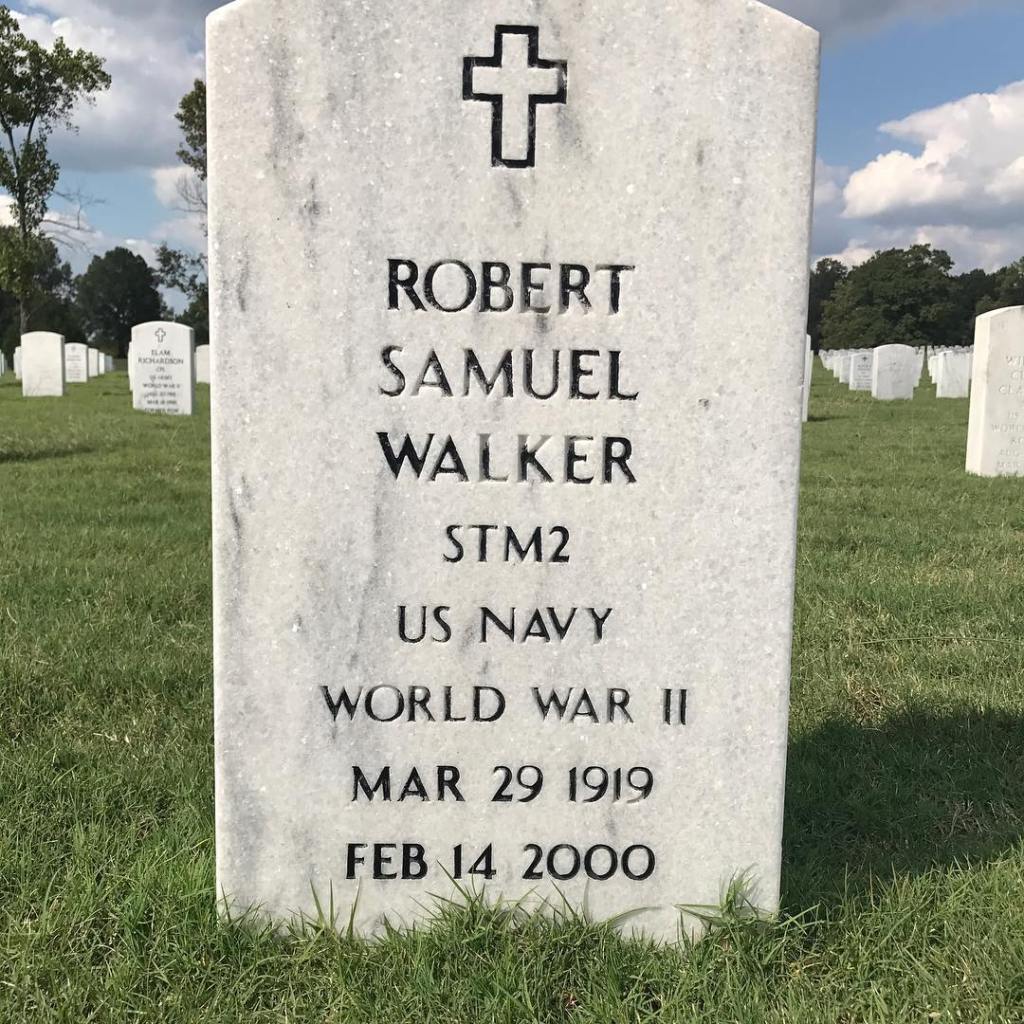
It would be more than 17 years before I went to the cemetery where my father was laid to rest. I felt so much peace.
The first Valentine’s Day after he died I was furious and found myself feeling that way every Valentine’s Day after that. I thought I’d handled the situation well but in reality there was still a bunch of feelings just swept under the carpet. The refusal to grieve my father until I got my degree really meant refusal to grieve for much longer than that. The reminder that the ex who I’d once dreamed of marrying was not the right guy – he called the day Daddy died, not to offer condolences but to seek sympathy for the “saddest Valentine’s Day of his life”. The inappropriate men taking advantage of my vulnerability by hitting on me at the funeral and during the repast. The guilt I felt for having essentially abandoned much of my family simply by trying to abandon my father and step-monster. And I never knew I hated Valentine’s Day until then.
Men coming out of the grocery store with bouquets, heart-shaped candy boxes, and pink and red balloons pissed me off. And I wasn’t quite sure why. High schoolers getting on buses with giant teddy bears pissed me off. And I wasn’t quite sure why. I asked myself if it was because I didn’t have a “valentine” that day but that didn’t ring true to my emotions. Valentine’s day had never been a big deal to me and I had never received anything that felt significant from any boyfriend I’d had on valentine’s day. Even my secret admirer valentine’s day gifts were blah – I would have preferred to know who the admirer was rather than have a secret gift. So I blamed it on my Daddy’s death. It was easy to do – after all, he died on Valentine’s Day.
When I was young Valentine’s Day meant cardboard valentine’s cards, candy, and a day at school that ended with a party or a dance. Then as a young adult Valentine’s Day meant my daddy died. But now as a not-as-young adult, Valentine’s Day doesn’t mean anything at all. You know how I know? I literally forgot all about it. I didn’t send out social media greetings in memory of my father. I didn’t send any gifts to family or friends nearby. I didn’t even send myself flowers or buy any candy. When was it, Sunday? Yeah, just a regular old day.
I used to like February 14th. Then I didn’t. Now it’s not so bad.
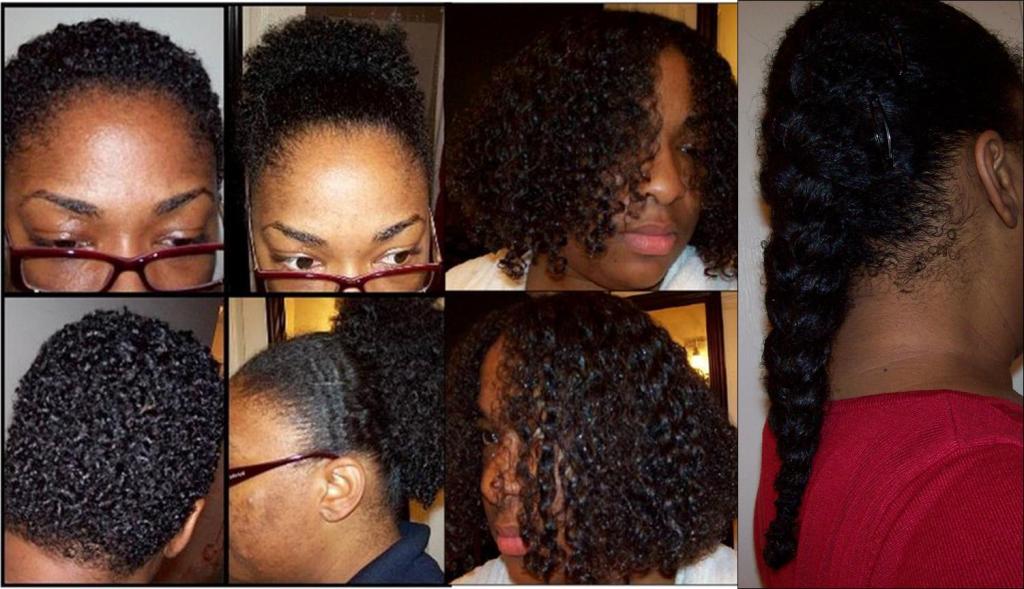
I can provide you a list of people who would disagree, some vehemently, that my hair is unspectacular. I can provide you a list of people who would agree with that statement. I like my hair. It’s coarse and curly, oily yet non-porous, and it is soft and shiny. It’s thick and grows relatively quickly with little breakage and requires very little product to do what it wants to do – which is be free.
The first thing said about my hair was when I was born and Mommy said to Daddy, “Oh, Bob, she has your hair.” She was happy that I had hair like the Walker side of my family because she found it beautiful. Based on my paternal grandmother and her children and grandchildren, our hair is coarse but soft to the touch; it’s curly when we’re younger and loosens into waves when older; we begin to gray young (usually stark white); and men keep it short while women keep it long (unofficial rules). My mother’s hair was very coarse and relatively thick. Her hair started turning gray at a relatively young age – she kept it colored so I don’t know when it started. And she kept it short – above the shoulder – and kept going shorter. I don’t know the reason behind the length, so I don’t know if it had anything to do with the hair growth itself.
Just months old, Mama had to tape ribbons in my hair – no velcro available in my day.
I’m grateful that the combination of my genes totals what I have today. Daddy would tell me how pretty my hair was first thing in the morning, before it had been combed and styled for the day. I asked him what he meant because my hair was wild and fuzzy, and he said that the hair in and of itself was what he found beautiful. Mommy would style it in plaits or ring curls, and I was to show it off to Daddy when she was done for him to say how pretty it was, loud enough for her to hear. People at church made complimenting my hair a part of the greeting. And whenever my kiddie hairstyle wasn’t quite what someone expected, it was voiced, quite pointedly, that Mommy needed to go back to the standard plaits or ring curls and never waiver again. And what I learned in third grade was that the plaits were supposed to be free to swing. My assistant principal asked if my mom tied my plaits together in the back because she didn’t want them to fly away when really they were connected because it required finding fewer matching barrettes. He was being silly but the element of truth in his joke was that he noticed I’d been wearing the same style a very long time and felt the need to comment. And the culmination of years of peoples’ opinions during my childhood taught me that my hair was part of my overall value.
Ring curls for Easter Sunday – EVERY Easter Sunday
I was not allowed to cut my hair before I turned 18. And when I turned 18, I cut my hair into a chin length bob. I cried. I loved it but I couldn’t stand looking at all the hair that was piled on the floor. And I didn’t touch it much at first – it was so strange not to have enough hair to pull into a ponytail. My stylist wouldn’t do the cut until she received express approval from Daddy. I tried for years to convince a stylist into cutting my hair and just risking whatever punishment I might get but not one of them would do it. And he gave approval because it was promised, not because he thought cutting my hair was okay. And while it wasn’t specifically stated that bob was truly the shortest I would have been allowed to go.
Cutting my hair then, for me, was about looking more mature. I thought a ponytail was for the young. Cutting my hair then, to Daddy, was part of my “wandering spirit”. It was something to experience because I could, and he fully believed I would prefer to return to wearing my hair long. Cutting my hair to this one old lady from my church was a sin and I was on my way to hell along with my parents who allowed it and my stylist who did it. Cutting my hair to other people was wrong because there are women in the world who cannot grow their hair long.
A chin-length bob has always been the shortest length acceptable to Daddy and many of his relatives.
As an adult, I took interest in learning to take care of my hair so that I would have the freedom to wear it however I felt. In college I considered going relaxer-free for the first time. I did it without any education or planning so it wasn’t successful. When I started transitioning, I wore my hair in two braids a lot and sometimes in a bun. After giving up and getting a relaxer touch-up because I truly had no direction, I was scolded for having waited so long before getting a relaxer and was told to never do that again. After trying different cuts and different hair colors I hit a sweet spot with tri-color highlights and long layers on relaxed hair. I was so excited to have found what I judged the perfect style. Unfortunately, it was not maintained by the perfect stylist and a combination of too many chemicals and trying to exercise outdoors in triple-digit temps with no hat created breakage in my crown. Breakage in the crown meant a significant cut so I took some time to figure out what I wanted to do.
A timely visit to my father’s family made me wonder if I had what they had – I’d worn my hair chemically straightened since I was nine so I didn’t know what my curls or waves would look like twenty years later. So I decided to cut off all the chemically treated hair and go completely natural. I literally went to three shops, including a barber shop, and literally no one would cut my hair. I didn’t necessarily want a particular style, I just didn’t want it to look like it was cut with safety scissors and edged with a butter knife. And they all refused. I made my way to a natural hair salon and during my consultation she told me that the front of my hair should grow a little longer for the cut to look good and to wait three or four months before cutting. I kept it in a protective style for those months and I did the big chop as soon as I could. I had a teeny-weeny afro with tighter curls than I imagined, and I absolutely loved what was on my head. And I learned how to take care of it, and I focused on the care and treatment of my hair intensely. I didn’t necessarily show off my new cut – especially to my father’s family – because I wasn’t interested in anyone’s opinion. But that doesn’t stop people from saying what they want to say. I was told that it was unattractive and to never cut it that short again by relatives on both sides. I was told by people I worked with that it made me look thinner. And I was approached everywhere I went by other black women who asked me about my stylist and products I used.
The first four years chemical free starting with my Big Chop. I didn’t even put any heat on it during that time other than a blow-out in the first year for trimming and to check out my ‘fro.
Cutting my hair then for me was a change I made primarily because it was damaged, and I wanted to try something new. Cutting my hair then for my relatives was just a temporary solution to a problem and something to endure until it was long and straight again. Cutting my hair then for “society” was a statement of my blackness and my woman-ness and my American-ness. I wish I could have photographed the faces of all the people who had made various assumptions about me based on my hair the moment they learned they had me all wrong. And it’s funny that out of all the misconceptions, no one had the same misconception. Cutting my hair then had nothing to do with me as a person. It was the first time I didn’t think my hair was part of my overall value and I was irritated when other people continued to push that message (and burden) onto me.
Along the way, in addition to releasing the idea that my hair was somehow associated with my value as a person, I realized the significance of changing your hair after certain life events. I know there are many cultures who cut their hair after deaths and other losses and to symbolize new beginnings of all kinds. I was only ever advised to never cut my hair. No one told me that the urge to cut that man out of my hair after a breakup was primal and a wonderful release. And when I gave in to that urge, just wow! And no one told me that the urge to go red was a sign of strength – whether you are strong or need to be strong, red hair can embolden you for anything that comes your way. After I graduated college, my sister called me “Rebel Gina” because I was angry and saying “no” to everything I’d ever been taught in life. The hair during that time? Short, red, and wild.
This is NOT “Rebel Gina” but this is a short and red phase of life. It just so happens I regretted this cut myself, but I loved the color.
But just like when I was looking for that fat girl in old childhood pictures, I looked for the girl whose hair was supposedly spectacular. I looked for the girl who was identified in a crowd because of her hair. I searched out the girl who was somehow made better because she had something regarded unique on her head. And all I can see is that there were many other people around me who had hair that was significantly more spectacular than mine. I saw nothing particularly special about my hair. And I have the courage to admit it, the freedom to accept it – my hair is utterly unspectacular. But I understand that when it’s viewed through the lenses of others who don’t have the same kind of flexibility of styling that my coarse, curly, shiny, graying hair allows me that it appears to have some additional value. I no longer internalize that view because it says nothing about me and everything about them. My hair is not a part of what makes me valuable and I’d go as far as to say my hair has nothing to do with my identity. Sure, I can see where I inherited what I have from my ancestors, but apart from genetics, it has nothing to do with my identity. I use it as an expression of something or an accessory sometimes but it’s no more spectacular than my earrings and graphic tees.
Fourth Grade, Oakshire Elementary School – Memphis, Tennessee
Thank you, everyone, who has complimented my hair. I feel good when you agree with me that what I have on my head allows me to be free. And it’s okay if you don’t like the style I’ve chosen – you don’t have to remind me of better styles or try to drill it in my head that you don’t like my choice. Sometimes I don’t like my choice either. All of that is good but there is no value, uniqueness, nor importance in my hair.
March 30, 2020 – Just before my city went to COVID related Safer-at-Home orders. And I miss my stylist!
I am Regina Lynette, the girl with unspectacular hair.
I am a black American Christian woman who believes in having a full-on mental health team. I also know that while I am not the only one, I know that it’s not exactly commonplace yet for my demographic. Since I began my mental health journey in college, I have kept my path pretty quiet, sharing information only with people I deemed either safe spaces or emergency contacts. But I think the time has come to say more and say it publicly. This is another reason I decided to do this blog in this manner. Part of who I am includes details about my mental health journey. But you not gonna get the juicy stuff today. Today, I celebrate my current therapist.
I am a black American Christian woman who has a white American woman in charge of her *talk-therapy. And I love my therapist. This year, while watching horrific news about white people killing black people, I found myself in a mental state about racism I’d never been in before. I simply didn’t want to talk to white people about anything and I didn’t want white people to talk to me about anything, simply because they were white people. I didn’t want apologies. I didn’t want questions. I didn’t want greetings or terms of endearment. I turned my nose up at the idea that a white person had words to say. And about a week before my next therapy appointment – the one that came after I realized my sensitivities to white people just because they were white – I needed to decide how I was going to talk to my white therapist. Other than the awareness of her being a white person, I didn’t feel the same animosity or angst about talking to this particular white person and I tried to unpack that some before my session. I didn’t do a great job.
My therapist has an artistic background, has lived in other countries, and has lived in large American cities known for diversity as well as smaller southern cities known for lack of diversity and that was enough to remind me that she was a safe space. During that session I told her that I do not want to talk to white people. She paused the session to make sure she understood what I was saying – because she’s a white person and I was talking to her. Then I tried to say I still felt she was a safe person despite my current feelings about white people and hoped I wasn’t offensive. A few weeks later she reached out to me to ask if I’d heard about a therapeutic product made specifically for people of color designed by an African-American therapist. I thanked her for seeing my color. This was summer 2020. She is still my therapist and I still love my therapist.
That anecdote says nothing about how I’ve come to love my therapist, nor does it specifically promote therapy. But that anecdote is the demonstration that a therapist to love is a therapist who is right for you and your needs. A therapist to love is one who can handle what life throws you both and can still guide you through those challenging times. A therapist to love is one who sees you clearly and respects you completely. And my therapist is a therapist to love.
When I met this therapist, I was having complications and my chronic mental illness was out of remission leaving me unstable. She was referred to me by my psychiatrist along with a nutritionist. Having had therapy for more than 20 years, I had long developed a process to make sure I got the most out of my sessions. This included self-awareness of issues that surfaced, recognition of things that just weren’t working, and an acknowledgement of the level of disfunction my illness caused versus the level of disfunction my unresolved issues caused (which means I had to accept that sometimes I needed a pill and not only behavior changes).
There were a couple of problems immediately apparent to me in the first few sessions with this therapist. First, I wasn’t going to be in control of this process in the way I had been with previous therapists. Second, I didn’t have the energy, courage, nor foresight to take the reins of this process in the way I had done with previous therapists. Bumping up against that those first few sessions made me reconsider being under her care. I always had an introductory session or consultation before choosing a therapist and could establish my needs at that time. I just made an appointment with this therapist based on my chosen psychiatrist’s referral. But I decided to continue because in this case, my psychiatrist, talk-therapist, and nutritionist – my mental health team – all knew each other and could discuss my progress together and I wanted to see the benefits of that arrangement. So, I decided to “let go” (which ended up being the focus for at least a year) and stopped planning for my sessions. I would just show up and follow her lead. I found that the sessions where I had absolutely nothing planned to discuss were the best sessions. We were still getting to know each other, and I wasn’t really giving her much to work with – I wasn’t showing up and presenting myself to her in the sessions but was open enough to let her sort of rummage around and see what we could work on. And in time, she got to know me. She got to know the characters in my life. She knew when to pause a long time because she could see me thinking. She learned when to either re-direct or end the session because it was just too much to handle. And she learned how to check in with me at the start of each session to see how to best direct our time. Now she has a better handle on me than I have on myself in some ways and I trust her with my everything. That’s a therapist to love. And I love my therapist.
Only you know what you need from a therapist and only you know what’s most important to you in a therapist. However, when I am asked about what I’ve learned I need from a therapist and what’s important to me in a therapist, there is one thing that I consistently note first – the best professionals are artists. Creatives approach medicine with the idea that every human is different and that every human may respond differently to therapy – both techniques and medications. They understand that the patient knows more about their body and mind than anyone else and therefore require that a partnership be forged to determine a treatment plan (you’ll see this in the agreements in your intake paperwork or it will be discussed during your consultation and/or first appointment). Artists use their passionate natures to fuel their progress. And the patients of creative and artistic medical professionals benefit from getting a partner who holds their hand along the very customized treatment plan to reach the pinnacle of the individual’s health. They lay out a plan based on their education and experience and then stand back and look with admiration and pride at the mixed bag of tricks that the plan actually incorporates as it’s executed. My first artistic doctor beamed with pride with every success I had – we had. He fought to the death my insurance companies and got pissed at the pharmaceutical companies when they caused problems with getting my prescriptions filled. He was very invested in me and taught me to be very invested in my health.
I just wanted to tell the world that I love my therapist. And I know that it is critical that African-Americans seek therapy, and that African-American issues can often only be understood well by African-American therapists – so much so that I want to acknowledge it as fact. And I’ve had both black and white therapists and had positive experiences with both. Have the courage to seek the right therapist for you whether it’s gender, race, color, or any other identifiers and experiences.
I love my therapist.
*I use the term talk-therapy to refer to the sessions provided by my medical professional that rely mostly on talking. There are many different kinds of health professionals who take on this role so I use a broader term to focus on the process rather than the person’s credentials. When I use this term, usually I am separating doctors who prescribe medications from other medical health professionals who focus on a myriad of other techniques.
If I honestly answer the question myself, I will say I am smart and pretty. And my brain begins to produce receipts in protest – mine aren’t crisp and new like text messages and social check-ins, but they are yellow and antiquated like all the things that people have said over the years that replay in my thoughts. And in the end the lesson I’ve learned is that I cannot be both smart and pretty. The good news is that I really am smart and I really do know that you can be both. The bad news is it’s hard for me to believe it can be true for myself.
The funniest time I pitted “smart” against “pretty” and later chose smart, forsaking pretty, was during a trip to NYC. Before this trip I had just gotten tri-color highlights and cut my hair into short layers. For about two months my hair was delightful and mesmerizing. Yep. Mesmerizing – other people confirmed it. The colors and the shine and the bounce was mesmerizing. I worked to make the rest of me look like a person who would have mesmerizing hair and I was falling deeper in love with my appearance by the second. By the time we arrived at our hotel in New York, a stop that was just supposed to be enough time to check in and drop our luggage because we were hungry, I was so in love with myself with the reflection in the mirror that soon I was oblivious to the outside world. I didn’t even notice that my sister was ready to go, just sitting in a chair waiting on me, patience waning, while I was literally standing in the mirror brushing my hair just to watch it smooth out and spring back into place. I wore makeup and contacts lenses, and I was in love with the girl in the mirror. We joked about my primping and left on the search for food.
When we traveled to Manhattan – before we used smartphones for GPS step-by-step directions – I fell into the navigator role. I could get us where we needed to go better than anyone else. As this wasn’t our first trip to NYC I was expected to take on my navigator role and get us around. I walked with the same confidence of a person who knew exactly where she was going, but we spent a lot of time lost. We approached an intersection after spending too much time walking to not have reached our destination and determined we were lost enough to ask two nearby police officers to help us find our way. We weren’t too far off-course thankfully, but we’d spent some time sort of going in circles thanks to me. The officers gave us one or two directions and said we’d see the place we were looking for when we got to the intersection. My sister pointed to the sign I didn’t see just before I guided us in the wrong direction again and in her exasperation, she said that my wearing lip gloss had done something to my brain. We were joking, of course, but it truly felt like I’d applied lip gloss and wiped my brain at the same time.
When we talk about that trip, we continue to laugh about it because the only memory I have of the trip was how I looked. And on that trip we visited a lot of places that I swear I have never been, like the Schomburg. And weirdly all of our photographs from that trip are missing. It’s like all evidence that we went on this trip is gone except for my Playbill. My sister and I even took a picture under The Apollo sign like Phylicia and Debbie and I cannot believe that picture is gone.
As I said, I’m smart, so I know lip gloss isn’t truly kryptonite, but I can’t tell you how much “evidence” I can provide where I can’t do basic math or understand concepts when I’ve applied makeup and like my hairstyle or outfit. So, my sister who is smart and pretty, sort of took over the rest of the trip, while continuing to wear her lip gloss. If logic says that lip gloss is wiping my brain, wouldn’t that same logic say that the same lip gloss was wiping her brain? Why do I believe she can be smart and pretty but that I have to choose between smart or pretty for myself?
When I was younger I believed myself to be the smartest kid in the room. And there was no shortage of adults telling me so. And when I was younger I thought I was so pretty. And there was no shortage of adults telling me so – in between calling me all kinds of fat-girl. But somewhere along the way I learned and believed I had to choose between pretty and smart.
My parents met on my mother’s first day of work for the Lincoln American Life Insurance Company in Memphis, Tennessee, somewhere around 1965. The story of their first meeting – literally the first time they laid eyes on each other and spoke to one another – has a little bit of fame in my family. Eyebrows raise, smiles slide across faces, sometimes there’s a little side-eye or maybe a little sneer whenever The Elevator Story is mentioned. I am fuzzy on details and the order of events but basically, there was some flirting – Daddy was being a little mannish and Mommy was being a little fast – and then we jump to a courtship, marriage, and the pleasant surprise that was me.
For me, my parents’ meet-cute is the height of romance. And I cannot tell you how happy I am that the building where they met has been declared an Historical Landmark and they have preserved the look of the elevator lobby. I feel like I get to go back to the moment in history where I first became a possibility whenever I want! For others, my parents’ meeting was not so much romantic as it was destructive.
My mother was the first Black woman hired in a professional position at Lincoln American. My father already worked there, but in a professional role. My father saw her in the lobby on her first day and got into the elevator with her. Some of the flirting involved my mother declaring that all the handsome men are already married when she noticed his wedding ring. I remember what my father’s response was to that but whatever it was, a relationship started pretty quickly between the two and the idea of his already being married became an inconvenience to deal with many years later.
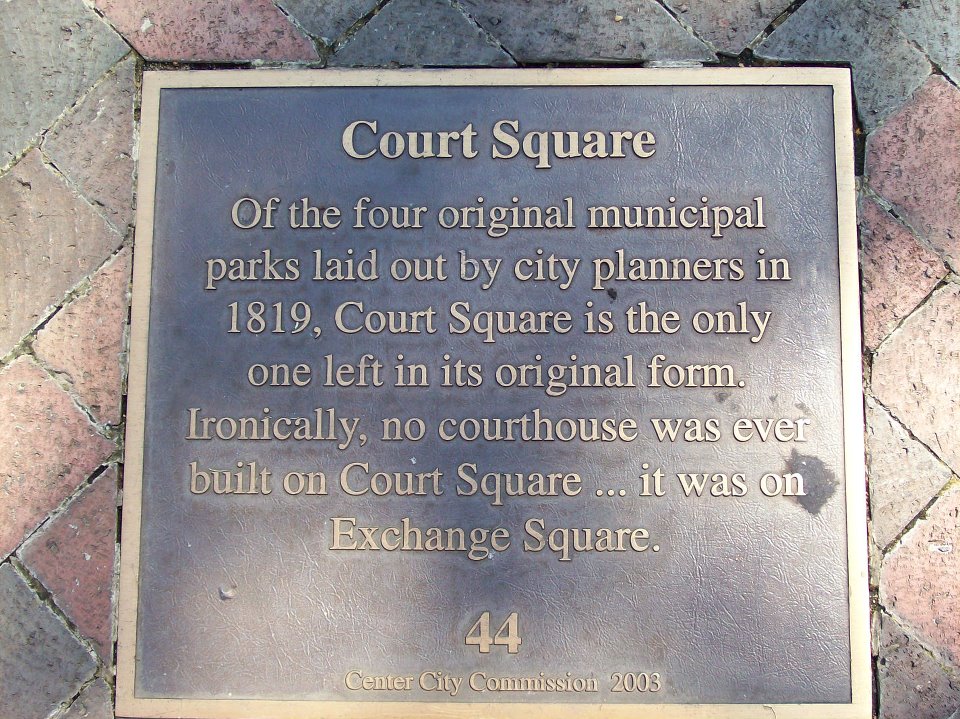
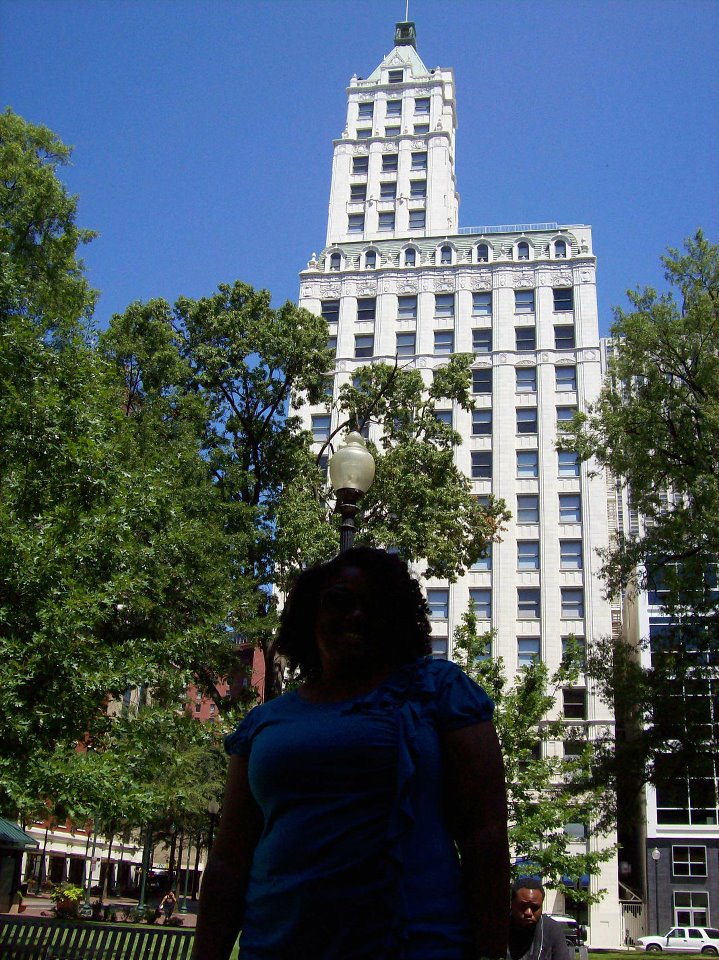
My parents worked together in the same building and saw each other on weekdays. They started spending lunch hours together and they were so in love they didn’t need food – they literally made out on a bench for their lunch hour somewhere around Court Square park. They wrote letters to each other that my father kept in a box that I was never allowed to see.
My father was diagnosed with colon cancer sometime during their on-again-off-again courtship. This marked a crossroads in my parents’ lives and is one of the milestones that affected their families’ lives. The short of it is that mommy was concerned for her man and wanted to be with him and take care of him while my father’s wife and children believed this was a time for family, of which she was not.
Somewhere in this mix other people became concerned when they knew my parents were pursuing a serious romantic relationship which was no secret to anyone after this event. My mother’s grandfather thought he was a dirty old man. Maybe because my father was closer in age to my great-grandfather than to my mother. Maybe because he was married with grown children, the oldest very close in age to my mother. My father’s church had reservations about his ministry, particularly with his choice to recuperate at home with my mother. Some of my father’s nephews and brothers were disappointed but were able to come around to his side very quickly.
But getting back to the fairy-tale, they had so much love between them that they shared a special hug and the love overflowed into a baby. Daddy had to get divorced and married pretty quickly. And on May 27, 1976, my mother went to work Donna Maria Thomas and returned from lunch as Donna Maria Walker. They went to the courthouse on their lunch hour and got married. They moved into a little red house in Whitehaven and had a little baby girl.
I’ve always believed my parents were soulmates. A lot of people think I feel that way because they were my parents. And several people cite the unhappy days of their marriage as proof they weren’t really in love. But I was there for the little things. It’s sometimes in the way a person says your name – that’s often the first time I realize when someone is in love. It’s always in the eyes – even when you are so pissed that you don’t want to look at them, when you lock eyes with your forever person, for a moment nothing else matters. And when you have so much love that it pours over and makes a baby, you spend time pointing out the things in that baby that belong to the both of you, admiring what your love has made. I believe that with therapy and patience everyone would have believed that they were truly meant to be just as I do.
I taught preschool for ages 3-4 many moons ago and at the school that made me want to quit life altogether I learned an important principle for adulting. As life lessons usually go, it wasn’t clear and direct at the time, but started as a seed.
At this preschool that nearly took my soul, each classroom had an outside garden. There was no schoolwide curriculum assigned so the gardens reflected each teacher’s abilities and creativity. Basically a few looked like gardens that needed some help and a couple looked like abandoned fields. The one I inherited looked like an abandoned field. I am far from a green thumb, but I learned some very basic planting skills as a little girl.
Grandaddy was a sharecropper and did something with sorghum molasses. Daddy worked the fields with him and at least during the last 23 years of his life while he lived in the city, he wanted a little vegetable garden and talked about how different things grew and what they needed to thrive. I was the Daddy’s Girl who toggled between tomboy and princess stereotypical behavior. I watched him do everything outside and begged to help, doing my version of whatever it was right beside him. We mowed the lawn, raked the leaves, trimmed the bushes, and edged the yard – which he hated because that was not work for little girls, but that he loved because he was teaching me, and it was our time alone. And whenever he was able to plant and grow anything, I was right beside him watching and asking questions, not realizing that any of it was really sinking in – I just loved being outside with him in the grass and under the trees.
From spending that time with Daddy, I knew I could at least start by making our garden look like someone cared and figure out any specific curriculum goals for later based in what the kids showed interest. First, we cleared everything out. That was easy to let them do with their little plastic garden tools and I let them have at it with wild abandon. They couldn’t hurt a thing, could release any energy they had from being inside, and could be as involved in the dirty parts as they wanted. I began to get to know my kids quickly – I saw who didn’t like dirt, who loved dirt, and who could manage to turn anything into a weapon. I saw my leaders, my followers, and my bullies. I saw my dreamers, my builders, and my facilitators. I saw who needed more structure and who needed more freedom. It was the best way to get to know my entire class.
Then I moved on to the next phase that I knew – we needed to turn the dirt, break it up so it was soft. I was more directly involved in this phase because plastic hoes and spades can only do so much with hard ground. I wanted to limit the number of small kids with me since I was directly involved and would have a real hoe in my hand, so I split up my class in small groups taking the more energetic types out first. I needed to talk to them and get to know why they behaved the way they did and understand them as individuals. This is how you find out that your bullies are practicing learned behavior from home or are screaming because they don’t feel heard. This is when you find out that the kids who turn toys into weapons are influenced by what they see in their everyday environment or that they are your most resourceful and resilient students. And this is when you find your artists – they make beats or sing while breaking up earth which they notice aloud has many shades and textures and then their garden tools become paintbrushes or imaginary people in what looks like a play. And after some time in the dirt, we all reach a peaceful energy. All of the kids did a part of this, but this first group really did the hard physical work.
The next phase, planting, was designed for the lower-energy kids and those who by now had a lot of interest in the entire project. The ones most interested in the overall process used their tools to make grooves for planting – any tools could be used, even hands, because our ground was soft and tilled. The ones who didn’t like to get dirty were my seed planters. They held a handful of whatever seeds I found in the previous teacher’s stash and dropped them in the grooves. And those who were uninterested but who quietly obey any directive closed it up for us, gently covering the planted seeds with the dirt. Then we watered the garden. When I left work the evening we finished, I was quite proud of the appearance of our garden. It was even brown and smooth, and I couldn’t wait to see what would begin to pop up – my only goal was for something to begin to grow and I believed that we did enough to at least see some tiny sprouts whether they thrived or not.
Once our garden began to sprout, we had a lot of attention. The parents thought it was a good sign of my teaching ability – anything that looks organized or improved upon looks like there is someone in control and providing guidance. The children had varying amounts of pride of our tiny green sprouts based more on their level of interest in the garden than on their perceived levels of contribution to its growth.
But I had an unexpected reaction to that garden. It was the only place I felt any peace on that campus.
The thing that is obvious to me now that I didn’t see then is that it is important to watch something grow. I find planting makes the biggest difference for me, but it doesn’t have to be plants if that’s not your thing. Anything that lives and needs you to care for it to then grow works – puppies, fish, children. Just make sure to watch something grow.
I’m a crybaby. It’s one identifier that I’ve accepted even though it’s used as an insult. Angry, enraged, pissed off, I cry. Happy, laughing, in awe of something beautiful, I cry. Scared, startled, fearful, I cry. A cold, the flu, allergies, I cry. Depressed, sad, grieving, I cry. I even cry when someone else is crying. Thus, I embrace being a crybaby because my default expression of most emotions is to cry.
Once I went to a professional development conference and attended a session on stress management. At the start of the session the leader asked us to all take a deep breath. I took a deep breath and exhaled in tears, sobbing really. Once I had a confrontation with an abusive supervisor – with HR in attendance but offering no assistance – and was grateful that it was over the phone because I cried, wept really. Once I had an allergy attack during an interview for an internship and had to quickly explain the tears streaming down while answering questions about why I wanted to work with them. And the worst – believe it or not – was when I cried silently during a staff meeting. It was the worst because there was no provocation. My home life was particularly stressful at the time and I was okay as long as I was moving around and working but sitting still for two seconds was too much time with my thoughts. Embracing being a crybaby does not mean I embrace crying at work for any reason at all.
After crying during the stress session and the supervisor confrontation, I quit those jobs. After crying during the interview, I got the job, one of the best I’ve ever had. After crying during the staff meeting, I went to a counselor.
This wasn’t my first time seeking a professional mental health provider. In college I sought help for sexual abuse from a counselor. After college I was diagnosed with a mental health disorder managed by a psychiatrist. I sought grief counseling from a psychotherapist. I recognized that I needed help and had the courage to find it. Thankfully, as part of my benefits at that job, I had access to six free counseling sessions – designed to refer you to more permanent situation – that were located walking distance from my office. I made an appointment that I was able to take on my lunch break.
I had 30 minutes with this counselor, so I took over the session from the start, speaking as quickly as possible, listing all the stressors going on in my life. This guy tightened his face with every situation I mentioned and at the end of my list I thought he was going to crumble. Then I told him that I wasn’t looking to deal with all of those issues right away, but that I just needed not to cry during staff meetings anymore. He audibly sighed his relief and gave me a list of self-soothing activities to try. He told me to keep a container with some tools in my car, at home, and at work, to use whenever the stress proved overwhelming. I called them stress kits.
I read the list on my way back to the office and then thought about the best way to approach this stress kit. Reflecting on the simple moments of bliss in my past, I set out to include items from those moments. I added a mug (for tea), a small jigsaw puzzle, and an Ella Fitzgerald CD. On my two 15-minute breaks and during lunch at work, I hid away in a small conference room that I could lock. I made jasmine green tea, listened to Ella Fitzgerald’s Love Songs: Best of the Song Books, and worked a small Thomas Kinkade puzzle. I kept to an actual schedule for a couple of weeks and it helped significantly. There was no more crying at work. After a couple of weeks, I skipped the lunchtime stress break and soon I didn’t use the kits preemptively but as needed to combat anxiety and stress.
The last year has been taxing for the entire world. Surprisingly, I managed the confinement relatively well. The public displays of the brutal murders of my people, reminding me of just how little our lives mean to some, made things more intense but I was still managing fairly well. The deaths of major civil rights activists were hard, but I was hanging in there. I had to confront the fact that I needed to search for a job – something I knew I should have been doing for a long time but didn’t have the energy nor mental space to start – because I am running out of time to make sure there is no gap in employment, but I have a plan and a backup plan and an emergency plan and some last resort plans. Then the election hit and boom – regular anxiety attacks.
I have prescription meds to help manage my anxiety, but I only have to take half a dose and that rarely. During the election, I found I needed a full dose almost daily. I believe in taking medication to help the body recover whether it’s healing an ailment or managing symptoms. But I also have a subconscious belief in spite of education that all medication is temporary, and I try to avoid taking anything that can be habit forming or that has to be increased over time for effectiveness. My doctors have actually encouraged me to take more anxiety meds than I’m willing to take. After a week of taking pills I remembered my DIY stress kits.
With more education on stress relief and more tools at my disposal, I made a more robust kit. I made sure to pay attention to the senses – sight, taste, touch, sound, and smell. And two more senses I’ve recently learned about – vestibular/movement and proprioceptive/comforting pressure have been addressed in this kit. I still have Ella Fitzgerald as part of the kit because her voice has literally lowered my blood pressure from high to normal within a two-minute period. And I still have tea, but I use my fancy tea kettles and cups instead of a mug. In addition to jigsaw puzzles, I have coloring books. I incorporate incense and candles – usually something spicy. I either take a brief walk or rock in a swing. And I have a weighted blanket that I keep nearby to lay under for up to half an hour.
I am prone to complicated metaphors. To follow this one, you will have had to have broken a glass on your kitchen floor before. If you haven’t, there are some important things to understand. Shattered glass is tricky. It breaks in large chunks and tiny pieces. Those with experience cleaning broken glass can often manage it without injury. Large chunks go first. Tiny pieces are carefully sought out and picked up with care. And you wipe and sweep and vacuum and mop and wipe and sweep and vacuum and mop again hoping that you’ve gotten everything up. Somehow you know one little shard was missed and you announce to the household that a glass was broken in the kitchen so that everyone takes care. Hard soles are worn for days in the kitchen to protect feet from cuts. And just as soon as everyone forgets about the broken glass, someone not wearing shoes steps on the last missed shard and bleeds. It is never in the place where the glass was broken but usually somewhere odd – it either ricocheted across the room during the break or was moved by all the wiping and sweeping and vacuuming and mopping.
A child at my church was killed one Christmas Eve. She was younger than I by a few years. Her parents had recently divorced, and she was spending that holiday evening with her father. She’d asked to sleep in his room, but he sent her to her own room to be a big girl. Later that night a truck slammed into the house near her room and killed her instantly. It was so horrific that our household was not filled with the usual cloudiness of grief and compassion for others but a foreign inability to comprehend the news. What must that family feel? What does that kind of trauma do to a family that is already smarting from the recent divorce? How do they go on? And do they celebrate Christmases going forward at all?
Then I lost my mother a few years later on December 26th. That following year I remembered thinking about the questions we had about that family who’d experienced a traumatic loss right at the Christmas holiday – if they’d ever celebrate Christmases again. We were quickly approaching my nephew’s first Christmas and of course we’d celebrate Christmases again – life moved forward regardless of who came along with us.
One can never be adequately prepared for loss, but the accompanying shock and bowlful of mixed reactions is expected and well attended by loved ones in your community – particularly the elders of the community who come and see about your immediate needs. But what I’ve never witnessed is anyone taking care of people in the aftermath of loss. Once you’re sort of standing on your own, no longer hunched over in sobs and listless with grief you are often left to figure out the rest of your life on your own.
Exactly one year after my mother died, I woke up in my sister’s house to silence. It wasn’t particularly unusual to wake up to silence, but this silence felt eerie. As I sat up in bed trying to understand what I was feeling, it dawned on me – I expected that everyone would be dead. I don’t mean everyone in the house. I mean everyone in the world. I was old enough to know that was an irrational thought, but it paralyzed me in the bed. After a while, I heard life sounds and I knew everyone in the house was accounted for and was able to continue about my day as usual. I would not feel that kind of fear again until the following December 26th. And I would continue to feel that fear every December 26th.
After seeking professional therapy for the trauma associated with the loss of my mother, December 26th wasn’t as bad. I didn’t expect that everyone in the world was dead, but I did still spend some part of the early morning reminding myself that my thoughts were irrational and even if someone did not wake up that day, I would be able to survive it. It usually happened when there was only one person who slept later than everyone else so I would just wake them up if I couldn’t console myself.
This year I woke up late on December 26th. My tummy woke me up, finally ready for a meal that was not chicken wings and I got up to make breakfast. Just before I went downstairs to the kitchen, I realized that I didn’t have that annual December 26th fear. There wasn’t any feeling at all – it was a normal day as it should have been – and I went downstairs to eat. A few minutes later, everyone else in the house emerged from bedrooms and I was so grateful that I hadn’t even been listening for life sounds that morning. It was a perfectly normal day. It even dared to be sunny and warm.
But I still hate December 26th and I spent the day with a general I-don’t-feel-good funk. Maybe it was grief. Maybe it was because I’d eaten my weight in chicken wings the day before.













 I am Regina Lynette