3 Min Read, Donna Maria Thomas-Walker, Family, Mental Health, Parenting, Robert Samuel Walker

I love myself when Iโ€™m being the most. And then again when Iโ€™m not enough.

Is melodrama hereditary? I know that most likely itโ€™s learned behavior, but I feel like I inherited mine. It wasnโ€™t one of my motherโ€™s most prevalent characteristics, but it was always there. In most dramatic fashion, she ripped a nightgown off in the middle of the living room after I projectile vomited as an infant all over her and no one was helping her (she told me this story herself). When working extra jobs to get her beau a special collection of books for Christmas, he accused her of neglecting her children by leaving them home alone for several hours late in the evenings. She threw each one of those books at him while explaining what she was doing. I really donโ€™t want to tell you that it was my daddy โ€“ but it was. A sibling told me this story that happened before I was born. Those are just two of my favorite recollections of melodramatic Mommy.

When my melodramatic self shows up to the party, I fully embrace her. I can remember falling on the floor in swoon-worthy fashion when hearing something that pushed me to my limits โ€“ annoyances or shocking statements. I took preliminary results of my first mammogram (โ€œwe see something on the mammogram that we want to look at more closelyโ€) and ran the entire gamut of having breast cancer and requiring surgery and which fundraising marches I would participate. Just a few weeks later โ€“ and several months of monitoring โ€“ the true results were I have a benign cyst that doesnโ€™t even need to be removed. I can tell an inflated recounting of a situation that impresses myself, and sometimes I have to let witnesses know that I am reveling in my most melodramatic self when they begin to wonder if I was even present in the same event. Iโ€™ve thrown some things in anger โ€“ fortunately not at anyone โ€“ and Iโ€™ve slammed a landline phone down seven times after an irritating conversation. And honestly, Iโ€™m very pleased with my melodramatic self. I find her completely entertaining.
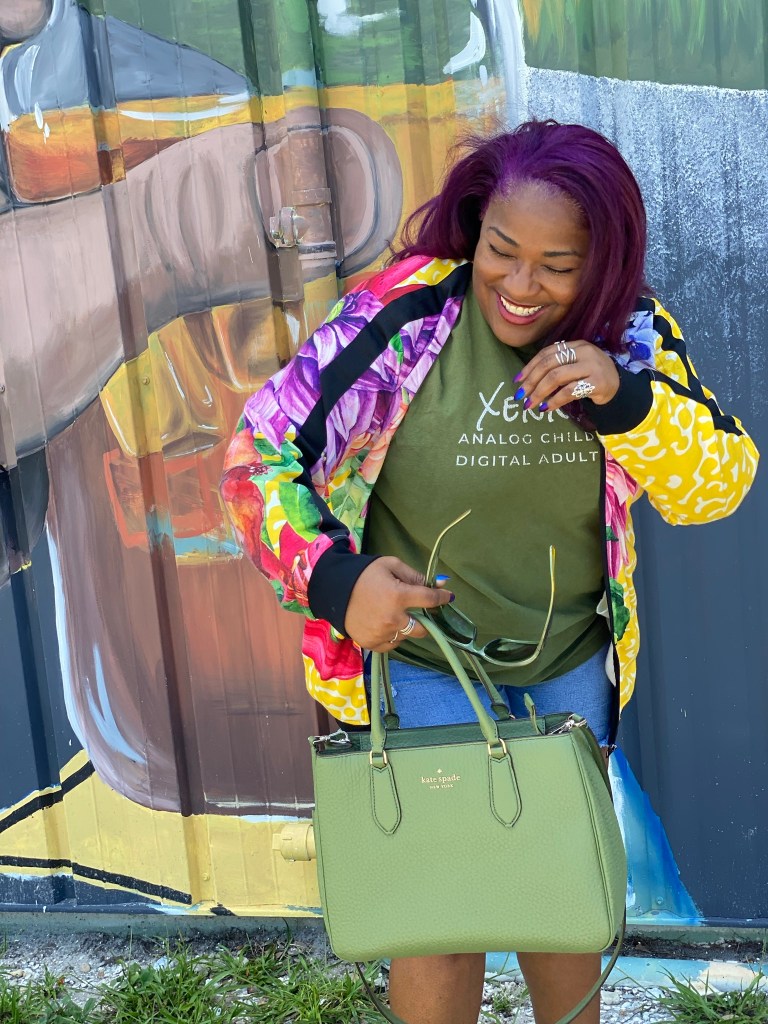

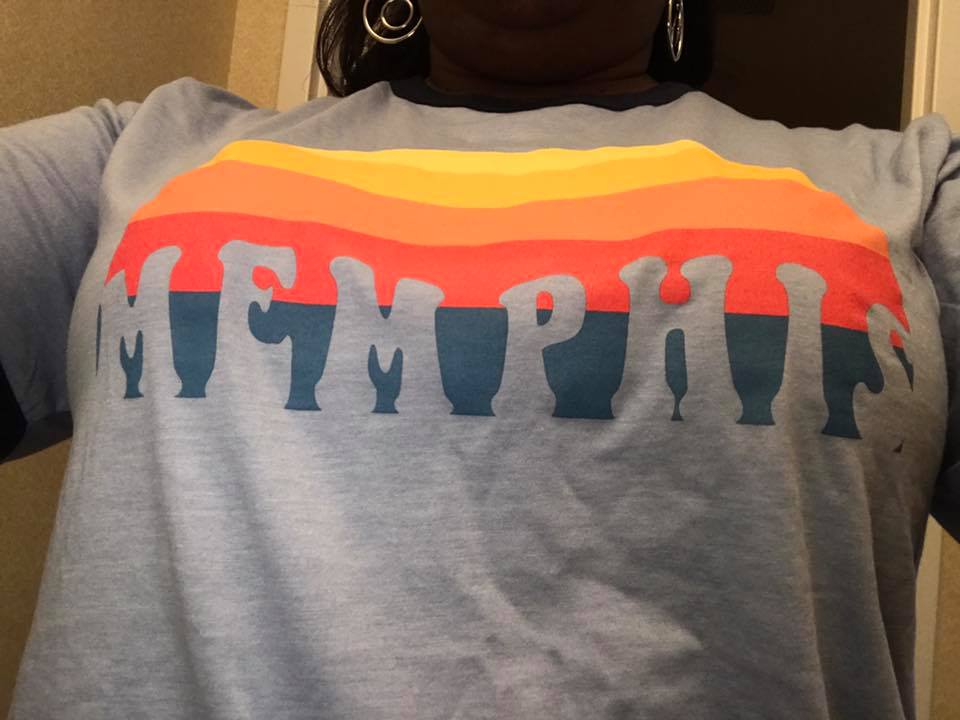
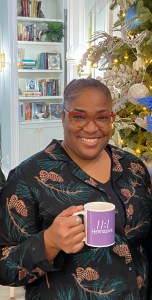
I am Regina Lynette. I love myself when I’m being the most. Like when I wear all the colors, and dye my hair purple, and wear purple nails, and wear all my rings at the same time, and wear a graphic tee with an identity statement, and choose green because it enhances creativity, and stand beside a giant mural of a mason jar of sweet tea.


Even though I have moments where I am being the most and truly loving the fact that I am being the most, I have moments on the complete opposite side of the spectrum. And the moments where I believe I am not enough or the moments where I intentionally try to be less might also be hereditary or maybe learned behaviors. Both of my parents had certain insecurities, but I spent much more time talking to my father about the moments where he was a victim of believing he was not enough. For my father his insecurities stemmed from a good desire to better himself. Unfortunately, he was embarrassed about his lack of formal education and some elements of his upbringing. When people made assumptions like his attending seminary and having a post-graduate degree, he would shrink in silence โ€“ never misleading anyone but seldom if ever correcting them. He lived with a level of embarrassment from only completing the 7th grade. In his 60s he went to night school and got his GED, increasing his impression of his self-worth, but he still struggled with the fact that he was self-educated enough to appear more on the outside while believing he was less on the inside. This story about his education was something I was particularly proud of โ€“ I mean what he achieved in self-education in the absence of formal education, but I kept his secret until after he died.

My lesser self withdraws and hides in hopes that I wonโ€™t attract the attention of anyone or encourage any kind of interactions that would expose the ways I believe Iโ€™m not enough. I donโ€™t believe I am as beautiful as other women in my family, so I purposely avoid dressing up and making up and other primping believing there is not enough in all the world to make me shine as brightly as they. And if I get a compliment, I believe itโ€™s just a courtesy and insincere. I shrink whenever someone boasts that I know a lot about a subject or have great interest in something โ€“ I donโ€™t want anyone to be disappointed at any level of ignorance I have about a particular subject. Iโ€™ve been so quiet and still in a room that once a person actually turned out the lights on me after checking that the room was empty โ€“ they quite literally did not see me sitting in the middle of the room. Itโ€™s like I have an invisibility cloak like a superhero except I only use it to avoid interactions with other people. While I consider this trait a negative, I still value it almost as much as my most melodramatic self. What I like about it is I can observe human behavior in a way to see intentions without being noticed and subsequently I can detect ill intentions or ingenuine people without being swayed by their tactics.


I am Regina Lynette. I love myself even when I think I’m not quite enough – when I keep my hair tied down so it doesn’t move, and I wear a cover-up with a full shorts ensemble underneath instead of daring to wear a swimsuit, and I wear sunglasses so dark you can’t see my eyes, and I sit on the back of a boat in silence while everyone else swims, and I decline any refreshment because I don’t want to demonstrate a need for anything.


Of course, the best of me can be found somewhere in the middle. My balanced melodramatic self is hilarious with impeccable comedic timing โ€“ a deadpan humor or a retelling of a story that will keep you entertained at worst and in stitches at best โ€“ and makes heavy life situations lighter and easier to maneuver. My balanced lesser self is humble and creates a very calm, safe space where a person can be vulnerable and find peace. And I love my most balanced self just as much as the extremes.

I am Regina Lynette. I love myself when Iโ€™m being the most. And then again when Iโ€™m not enough.


โ€œI love myself when I am laughing. . . and then again when I am looking mean and impressive.โ€

โ€” Zora Neale Hurston

3 Min Read, Donna Maria Thomas-Walker, Family, Mental Health, My Body, The Mothers

March 23, 2024.

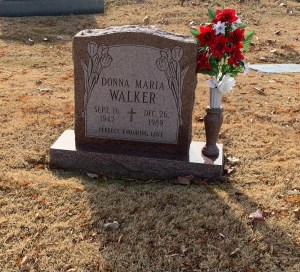
When I open my eyes on March 23, 2024, I will have officially outlived my mother. Iโ€™ve been thinking a lot about my mothers lately and because I only had one of them in my life, and even then for only the first 13 years of it, I feel tremendous loss. But it is in my blood memory to recognize and acknowledge my ancestors so I have created a sacred space at home where I honor my ancestral mothers. This isnโ€™t a foreign concept for me but this is the first time I am intentionally seeking out my ancestors. Iโ€™ve sensed uncles, aunties, my paternal grandmother, and my parents with me in the past โ€“ riding in my car, sending lady bugs my way, or while shopping and running errands โ€“ and have welcomed their presence. But I never invited them in the way I am inviting my mothers now.

My mothers never lived to become old women โ€“ none of them even made it beyond their 60th birthdays. And because my mother died so young, 47 years and 101 days, I always expected that my siblings and I would each have a crisis of sorts about reaching and surpassing her age in our own lives. I watched my siblings approach and surpass the number of years my mother lived and they seemed to have opposite approaches โ€“ one seemed to expect death and the other seemed to fight death. And now itโ€™s my turn.

After I reached an age where my dreams seemed impossible, I began thinking much more often about my own mortality and thinking about the possibility of surpassing the number of years my mother lived. I could honestly say that I didnโ€™t want to outlive my mother. I donโ€™t mean that I was suicidal, but that I didnโ€™t want to live. I didnโ€™t have a life I enjoyed and didnโ€™t have children to live for or a legacy to create or fulfill. So what was the point of living? No one depends on my life for anything so if I didnโ€™t enjoy it and there was no obligation to live for anything else, what was the point?

Vacationing in Toledo, Spain during a time where my life dreams seem no longer possible.

Because my mother died from a silent killer, I thought I was being responsible by going to the doctor for all my age-related preventative annual testing. As a result, Iโ€™ve been poked and prodded and threatened with numerous illnesses. And supplements have been recommended. And medications prescribed. And as a result of increased focus on preventing hereditary diseases, more small things have been found that need investigating and watching. Several routine visits have resulted in months of ultrasounds, MRIs, C-Scans, and preventative testing in increased frequencies. And it sounds reckless and selfish but I am tired. I donโ€™t want to have a 3-D mammogram and an ultrasound and an MRI every year.  Why does that sound reckless and selfish? Because I am in a position where it is both recommended and covered by insurance to have a 3-D mammogram and an ultrasound and an MRI every year to catch breast cancer as early as possible to be able to treat it as early as possible and prevent invasive life saving measures and death. I imagine that every person who has been touched by breast cancer is cringing now. Forgive me. I have to remind myself of the good. I have to forget having my boobs treated like breast cutlets and then having those results compared to an ultrasound and then having those results compared to being on a seat on my knees in the fetal position with each boob hanging down in a cold metal square sitting in a machine that knocks and beeps for half an hour and then having a dye injected and doing it again for half an hour. And while all that is better than chemo and radiation and mastectomy and a painful slow death, all it does is make me think about cancer. And I feel the same way about all the other preventative tests I have to go through annually. After just 2 years of that, I became obsessed with death and believed I was at risk and in bad health.

The next thing to happen as a result of all the things that have showed up on these tests is that with further testing of something suspicious, I have been proven to be in relatively good health. So I got over myself. Even things I shouldnโ€™t be able do to well because of the diagnoses I live with, I do better than I did when I was younger and supposedly in better health. I listened, finally, to the message I was receiving. Itโ€™s not too late. And because itโ€™s not too late, I have decided to embrace the belief that I will surpass the number of years my mother lived. And Iโ€™ve set some goals to achieve by March 23, 2024. And I am planning a celebration for March 23, 2024. If you are invited, the only acceptable response is โ€œyesโ€.

3 Min Read, Brothers And Sisters, Smart and Pretty

Am I Smart or Pretty? Or neither? โ€˜Cause itโ€™s not both.

If I honestly answer the question myself, I will say I am smart and pretty. And my brain begins to produce receipts in protest โ€“ mine arenโ€™t crisp and new like text messages and social check-ins, but they are yellow and antiquated like all the things that people have said over the years that replay in my thoughts. And in the end the lesson Iโ€™ve learned is that I cannot be both smart and pretty. The good news is that I really am smart and I really do know that you can be both. The bad news is itโ€™s hard for me to believe it can be true for myself.

The funniest time I pitted โ€œsmartโ€ against โ€œprettyโ€ and later chose smart, forsaking pretty, was during a trip to NYC. Before this trip I had just gotten tri-color highlights and cut my hair into short layers. For about two months my hair was delightful and mesmerizing. Yep. Mesmerizing โ€“ other people confirmed it. The colors and the shine and the bounce was mesmerizing. I worked to make the rest of me look like a person who would have mesmerizing hair and I was falling deeper in love with my appearance by the second. By the time we arrived at our hotel in New York, a stop that was just supposed to be enough time to check in and drop our luggage because we were hungry, I was so in love with myself with the reflection in the mirror that soon I was oblivious to the outside world. I didnโ€™t even notice that my sister was ready to go, just sitting in a chair waiting on me, patience waning, while I was literally standing in the mirror brushing my hair just to watch it smooth out and spring back into place. I wore makeup and contacts lenses, and I was in love with the girl in the mirror. We joked about my primping and left on the search for food.

When we traveled to Manhattan – before we used smartphones for GPS step-by-step directions  – I fell into the navigator role. I could get us where we needed to go better than anyone else. As this wasnโ€™t our first trip to NYC I was expected to take on my navigator role and get us around. I walked with the same confidence of a person who knew exactly where she was going, but we spent a lot of time lost. We approached an intersection after spending too much time walking to not have reached our destination and determined we were lost enough to ask two nearby police officers to help us find our way. We werenโ€™t too far off-course thankfully, but weโ€™d spent some time sort of going in circles thanks to me. The officers gave us one or two directions and said weโ€™d see the place we were looking for when we got to the intersection. My sister pointed to the sign I didnโ€™t see just before I guided us in the wrong direction again and in her exasperation, she said that my wearing lip gloss had done something to my brain. We were joking, of course, but it truly felt like Iโ€™d applied lip gloss and wiped my brain at the same time.

When we talk about that trip, we continue to laugh about it because the only memory I have of the trip was how I looked. And on that trip we visited a lot of places that I swear I have never been, like the Schomburg. And weirdly all of our photographs from that trip are missing. Itโ€™s like all evidence that we went on this trip is gone except for my Playbill. My sister and I even took a picture under The Apollo sign like Phylicia and Debbie and I cannot believe that picture is gone.

As I said, Iโ€™m smart, so I know lip gloss isnโ€™t truly kryptonite, but I canโ€™t tell you how much โ€œevidenceโ€ I can provide where I canโ€™t do basic math or understand concepts when Iโ€™ve applied makeup and like my hairstyle or outfit. So, my sister who is smart and pretty, sort of took over the rest of the trip, while continuing to wear her lip gloss. If logic says that lip gloss is wiping my brain, wouldn’t that same logic say that the same lip gloss was wiping her brain? Why do I believe she can be smart and pretty but that I have to choose between smart or pretty for myself?

When I was younger I believed myself to be the smartest kid in the room. And there was no shortage of adults telling me so. And when I was younger I thought I was so pretty. And there was no shortage of adults telling me so โ€“ in between calling me all kinds of fat-girl. But somewhere along the way I learned and believed I had to choose between pretty and smart.

3 Min Read, Donna Maria Thomas-Walker, Parenting, Relationships, Robert Samuel Walker

The Elevator Story

My parents met on my motherโ€™s first day of work for the Lincoln American Life Insurance Company in Memphis, Tennessee, somewhere around 1965. The story of their first meeting โ€“ literally the first time they laid eyes on each other and spoke to one another โ€“ has a little bit of fame in my family. Eyebrows raise, smiles slide across faces, sometimes thereโ€™s a little side-eye or maybe a little sneer whenever The Elevator Story is mentioned. I am fuzzy on details and the order of events but basically, there was some flirting โ€“ Daddy was being a little mannish and Mommy was being a little fast โ€“ and then we jump to a courtship, marriage, and the pleasant surprise that was me.

For me, my parentsโ€™ meet-cute is the height of romance. And I cannot tell you how happy I am that the building where they met has been declared an Historical Landmark and they have preserved the look of the elevator lobby. I feel like I get to go back to the moment in history where I first became a possibility whenever I want! For others, my parentsโ€™ meeting was not so much romantic as it was destructive.

My mother was the first Black woman hired in a professional position at Lincoln American. My father already worked there, but in a professional role. My father saw her in the lobby on her first day and got into the elevator with her. Some of the flirting involved my mother declaring that all the handsome men are already married when she noticed his wedding ring. I remember what my fatherโ€™s response was to that but whatever it was, a relationship started pretty quickly between the two and the idea of his already being married became an inconvenience to deal with many years later.

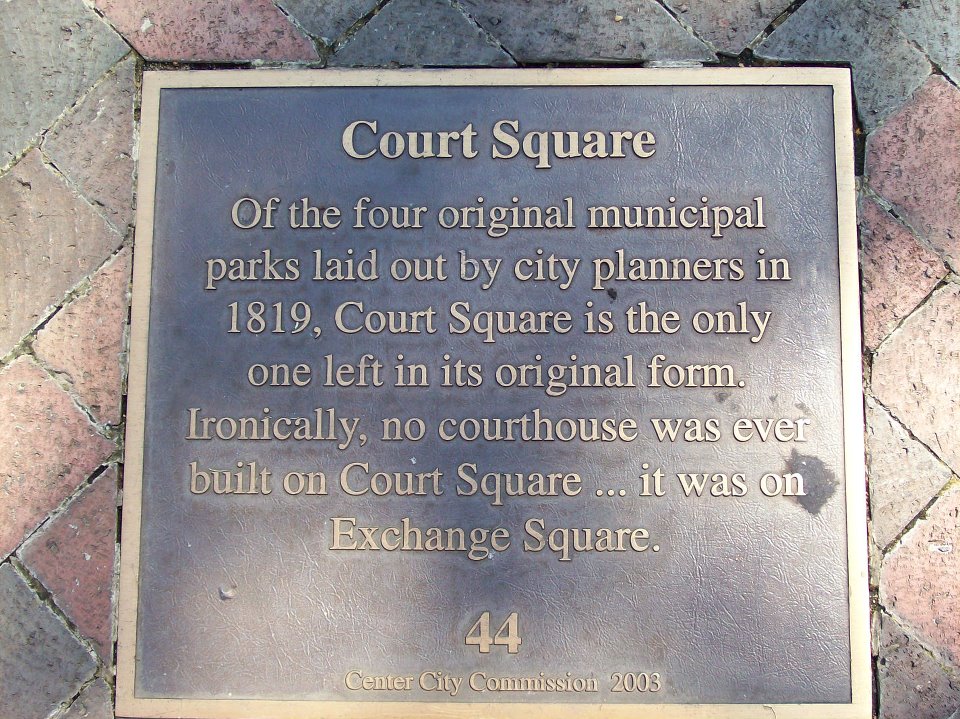
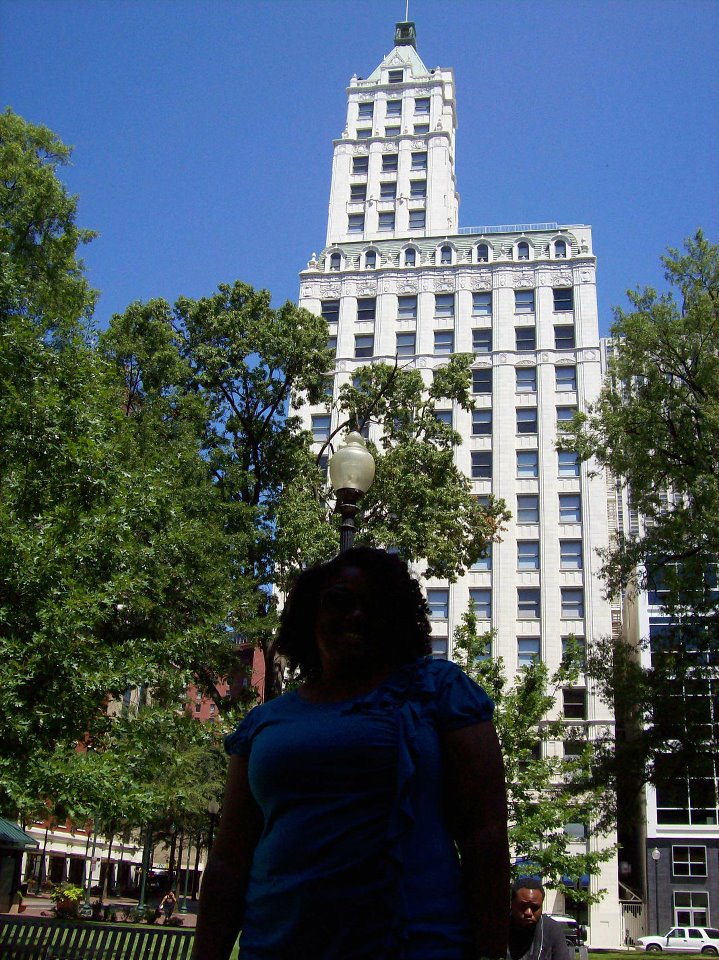
My parents worked together in the same building and saw each other on weekdays. They started spending lunch hours together and they were so in love they didnโ€™t need food โ€“ they literally made out on a bench for their lunch hour somewhere around Court Square park. They wrote letters to each other that my father kept in a box that I was never allowed to see.

My father was diagnosed with colon cancer sometime during their on-again-off-again courtship. This marked a crossroads in my parentsโ€™ lives and is one of the milestones that affected their familiesโ€™ lives. The short of it is that mommy was concerned for her man and wanted to be with him and take care of him while my fatherโ€™s wife and children believed this was a time for family, of which she was not.

Somewhere in this mix other people became concerned when they knew my parents were pursuing a serious romantic relationship which was no secret to anyone after this event. My motherโ€™s grandfather thought he was a dirty old man. Maybe because my father was closer in age to my great-grandfather than to my mother. Maybe because he was married with grown children, the oldest very close in age to my mother. My fatherโ€™s church had reservations about his ministry, particularly with his choice to recuperate at home with my mother. Some of my fatherโ€™s nephews and brothers were disappointed but were able to come around to his side very quickly.

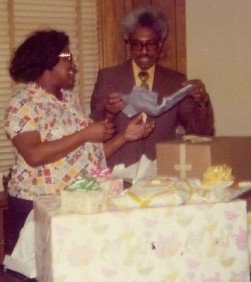
But getting back to the fairy-tale, they had so much love between them that they shared a special hug and the love overflowed into a baby. Daddy had to get divorced and married pretty quickly. And on May 27, 1976, my mother went to work Donna Maria Thomas and returned from lunch as Donna Maria Walker. They went to the courthouse on their lunch hour and got married. They moved into a little red house in Whitehaven and had a little baby girl.

Iโ€™ve always believed my parents were soulmates. A lot of people think I feel that way because they were my parents. And several people cite the unhappy days of their marriage as proof they werenโ€™t really in love. But I was there for the little things. Itโ€™s sometimes in the way a person says your name โ€“ thatโ€™s often the first time I realize when someone is in love. Itโ€™s always in the eyes โ€“ even when you are so pissed that you donโ€™t want to look at them, when you lock eyes with your forever person, for a moment nothing else matters. And when you have so much love that it pours over and makes a baby, you spend time pointing out the things in that baby that belong to the both of you, admiring what your love has made. I believe that with therapy and patience everyone would have believed that they were truly meant to be just as I do.

3 Min Read, Mental Health, Parenting, Teaching

It’s Important to Watch Something Grow

I taught preschool for ages 3-4 many moons ago and at the school that made me want to quit life altogether I learned an important principle for adulting. As life lessons usually go, it wasnโ€™t clear and direct at the time, but started as a seed.

At this preschool that nearly took my soul, each classroom had an outside garden. There was no schoolwide curriculum assigned so the gardens reflected each teacherโ€™s abilities and creativity. Basically a few looked like gardens that needed some help and a couple looked like abandoned fields. The one I inherited looked like an abandoned field. I am far from a green thumb, but I learned some very basic planting skills as a little girl.

Grandaddy was a sharecropper and did something with sorghum molasses. Daddy worked the fields with him and at least during the last 23 years of his life while he lived in the city, he wanted a little vegetable garden and talked about how different things grew and what they needed to thrive. I was the Daddyโ€™s Girl who toggled between tomboy and princess stereotypical behavior. I watched him do everything outside and begged to help, doing my version of whatever it was right beside him. We mowed the lawn, raked the leaves, trimmed the bushes, and edged the yard โ€“ which he hated because that was not work for little girls, but that he loved because he was teaching me, and it was our time alone. And whenever he was able to plant and grow anything, I was right beside him watching and asking questions, not realizing that any of it was really sinking in โ€“ I just loved being outside with him in the grass and under the trees.

From spending that time with Daddy, I knew I could at least start by making our garden look like someone cared and figure out any specific curriculum goals for later based in what the kids showed interest. First, we cleared everything out. That was easy to let them do with their little plastic garden tools and I let them have at it with wild abandon. They couldnโ€™t hurt a thing, could release any energy they had from being inside, and could be as involved in the dirty parts as they wanted. I began to get to know my kids quickly – I saw who didnโ€™t like dirt, who loved dirt, and who could manage to turn anything into a weapon. I saw my leaders, my followers, and my bullies. I saw my dreamers, my builders, and my facilitators. I saw who needed more structure and who needed more freedom. It was the best way to get to know my entire class.

Then I moved on to the next phase that I knew โ€“ we needed to turn the dirt, break it up so it was soft. I was more directly involved in this phase because plastic hoes and spades can only do so much with hard ground. I wanted to limit the number of small kids with me since I was directly involved and would have a real hoe in my hand, so I split up my class in small groups taking the more energetic types out first. I needed to talk to them and get to know why they behaved the way they did and understand them as individuals. This is how you find out that your bullies are practicing learned behavior from home or are screaming because they donโ€™t feel heard. This is when you find out that the kids who turn toys into weapons are influenced by what they see in their everyday environment or that they are your most resourceful and resilient students. And this is when you find your artists โ€“ they make beats or sing while breaking up earth which they notice aloud has many shades and textures and then their garden tools become paintbrushes or imaginary people in what looks like a play. And after some time in the dirt, we all reach a peaceful energy. All of the kids did a part of this, but this first group really did the hard physical work.

The next phase, planting, was designed for the lower-energy kids and those who by now had a lot of interest in the entire project. The ones most interested in the overall process used their tools to make grooves for planting โ€“ any tools could be used, even hands, because our ground was soft and tilled. The ones who didnโ€™t like to get dirty were my seed planters. They held a handful of whatever seeds I found in the previous teacherโ€™s stash and dropped them in the grooves. And those who were uninterested but who quietly obey any directive closed it up for us, gently covering the planted seeds with the dirt. Then we watered the garden. When I left work the evening we finished, I was quite proud of the appearance of our garden. It was even brown and smooth, and I couldnโ€™t wait to see what would begin to pop up โ€“ my only goal was for something to begin to grow and I believed that we did enough to at least see some tiny sprouts whether they thrived or not.

Once our garden began to sprout, we had a lot of attention. The parents thought it was a good sign of my teaching ability โ€“ anything that looks organized or improved upon looks like there is someone in control and providing guidance. The children had varying amounts of pride of our tiny green sprouts based more on their level of interest in the garden than on their perceived levels of contribution to its growth.

But I had an unexpected reaction to that garden. It was the only place I felt any peace on that campus.

The thing that is obvious to me now that I didnโ€™t see then is that it is important to watch something grow. I find planting makes the biggest difference for me, but it doesnโ€™t have to be plants if thatโ€™s not your thing. Anything that lives and needs you to care for it to then grow works โ€“ puppies, fish, children. Just make sure to watch something grow.

3 Min Read, COVID, grief, Mental Health, Parenting

DIY Stress Kits Are Necessary

Iโ€™m a crybaby. Itโ€™s one identifier that Iโ€™ve accepted even though itโ€™s used as an insult. Angry, enraged, pissed off, I cry. Happy, laughing, in awe of something beautiful, I cry. Scared, startled, fearful, I cry. A cold, the flu, allergies, I cry. Depressed, sad, grieving, I cry. I even cry when someone else is crying. Thus, I embrace being a crybaby because my default expression of most emotions is to cry.

Once I went to a professional development conference and attended a session on stress management. At the start of the session the leader asked us to all take a deep breath. I took a deep breath and exhaled in tears, sobbing really. Once I had a confrontation with an abusive supervisor โ€“ with HR in attendance but offering no assistance โ€“ and was grateful that it was over the phone because I cried, wept really. Once I had an allergy attack during an interview for an internship and had to quickly explain the tears streaming down while answering questions about why I wanted to work with them. And the worst โ€“ believe it or not โ€“ was when I cried silently during a staff meeting. It was the worst because there was no provocation. My home life was particularly stressful at the time and I was okay as long as I was moving around and working but sitting still for two seconds was too much time with my thoughts. Embracing being a crybaby does not mean I embrace crying at work for any reason at all.

After crying during the stress session and the supervisor confrontation, I quit those jobs. After crying during the interview, I got the job, one of the best Iโ€™ve ever had. After crying during the staff meeting, I went to a counselor.

This wasnโ€™t my first time seeking a professional mental health provider. In college I sought help for sexual abuse from a counselor. After college I was diagnosed with a mental health disorder managed by a psychiatrist. I sought grief counseling from a psychotherapist. I recognized that I needed help and had the courage to find it. Thankfully, as part of my benefits at that job, I had access to six free counseling sessions โ€“ designed to refer you to more permanent situation โ€“ that were located walking distance from my office. I made an appointment that I was able to take on my lunch break.

I had 30 minutes with this counselor, so I took over the session from the start, speaking as quickly as possible, listing all the stressors going on in my life. This guy tightened his face with every situation I mentioned and at the end of my list I thought he was going to crumble. Then I told him that I wasnโ€™t looking to deal with all of those issues right away, but that I just needed not to cry during staff meetings anymore. He audibly sighed his relief and gave me a list of self-soothing activities to try. He told me to keep a container with some tools in my car, at home, and at work, to use whenever the stress proved overwhelming. I called them stress kits.

I read the list on my way back to the office and then thought about the best way to approach this stress kit. Reflecting on the simple moments of bliss in my past, I set out to include items from those moments. I added a mug (for tea), a small jigsaw puzzle, and an Ella Fitzgerald CD. On my two 15-minute breaks and during lunch at work, I hid away in a small conference room that I could lock. I made jasmine green tea, listened to Ella Fitzgerald’s Love Songs: Best of the Song Books, and worked a small Thomas Kinkade puzzle. I kept to an actual schedule for a couple of weeks and it helped significantly. There was no more crying at work. After a couple of weeks, I skipped the lunchtime stress break and soon I didn’t use the kits preemptively but as needed to combat anxiety and stress.

The last year has been taxing for the entire world. Surprisingly, I managed the confinement relatively well. The public displays of the brutal murders of my people, reminding me of just how little our lives mean to some, made things more intense but I was still managing fairly well. The deaths of major civil rights activists were hard, but I was hanging in there. I had to confront the fact that I needed to search for a job โ€“ something I knew I should have been doing for a long time but didnโ€™t have the energy nor mental space to start โ€“ because I am running out of time to make sure there is no gap in employment, but I have a plan and a backup plan and an emergency plan and some last resort plans. Then the election hit and boom โ€“ regular anxiety attacks.

I have prescription meds to help manage my anxiety, but I only have to take half a dose and that rarely. During the election, I found I needed a full dose almost daily. I believe in taking medication to help the body recover whether itโ€™s healing an ailment or managing symptoms. But I also have a subconscious belief in spite of education that all medication is temporary, and I try to avoid taking anything that can be habit forming or that has to be increased over time for effectiveness. My doctors have actually encouraged me to take more anxiety meds than I’m willing to take. After a week of taking pills I remembered my DIY stress kits.

With more education on stress relief and more tools at my disposal, I made a more robust kit. I made sure to pay attention to the senses – sight, taste, touch, sound, and smell. And two more senses Iโ€™ve recently learned about – vestibular/movement and proprioceptive/comforting pressure have been addressed in this kit. I still have Ella Fitzgerald as part of the kit because her voice has literally lowered my blood pressure from high to normal within a two-minute period. And I still have tea, but I use my fancy tea kettles and cups instead of a mug. In addition to jigsaw puzzles, I have coloring books. I incorporate incense and candles โ€“ usually something spicy. I either take a brief walk or rock in a swing. And I have a weighted blanket that I keep nearby to lay under for up to half an hour.

3 Min Read, Donna Maria Thomas-Walker, grief, Holidays

I am Regina Lynette. I hate December 26th.

I am prone to complicated metaphors. To follow this one, you will have had to have broken a glass on your kitchen floor before. If you havenโ€™t, there are some important things to understand. Shattered glass is tricky. It breaks in large chunks and tiny pieces. Those with experience cleaning broken glass can often manage it without injury. Large chunks go first. Tiny pieces are carefully sought out and picked up with care. And you wipe and sweep and vacuum and mop and wipe and sweep and vacuum and mop again hoping that youโ€™ve gotten everything up. Somehow you know one little shard was missed and you announce to the household that a glass was broken in the kitchen so that everyone takes care. Hard soles are worn for days in the kitchen to protect feet from cuts. And just as soon as everyone forgets about the broken glass, someone not wearing shoes steps on the last missed shard and bleeds. It is never in the place where the glass was broken but usually somewhere odd โ€“ it either ricocheted across the room during the break or was moved by all the wiping and sweeping and vacuuming and mopping.


A child at my church was killed one Christmas Eve. She was younger than I by a few years. Her parents had recently divorced, and she was spending that holiday evening with her father. Sheโ€™d asked to sleep in his room, but he sent her to her own room to be a big girl. Later that night a truck slammed into the house near her room and killed her instantly. It was so horrific that our household was not filled with the usual cloudiness of grief and compassion for others but a foreign inability to comprehend the news. What must that family feel? What does that kind of trauma do to a family that is already smarting from the recent divorce? How do they go on? And do they celebrate Christmases going forward at all?

Then I lost my mother a few years later on December 26th. That following year I remembered thinking about the questions we had about that family whoโ€™d experienced a traumatic loss right at the Christmas holiday โ€“ if theyโ€™d ever celebrate Christmases again. We were quickly approaching my nephewโ€™s first Christmas and of course weโ€™d celebrate Christmases again โ€“ life moved forward regardless of who came along with us.

One can never be adequately prepared for loss, but the accompanying shock and bowlful of mixed reactions is expected and well attended by loved ones in your community โ€“ particularly the elders of the community who come and see about your immediate needs. But what Iโ€™ve never witnessed is anyone taking care of people in the aftermath of loss. Once youโ€™re sort of standing on your own, no longer hunched over in sobs and listless with grief you are often left to figure out the rest of your life on your own.

Exactly one year after my mother died, I woke up in my sisterโ€™s house to silence. It wasnโ€™t particularly unusual to wake up to silence, but this silence felt eerie. As I sat up in bed trying to understand what I was feeling, it dawned on me โ€“ I expected that everyone would be dead. I donโ€™t mean everyone in the house. I mean everyone in the world. I was old enough to know that was an irrational thought, but it paralyzed me in the bed. After a while, I heard life sounds and I knew everyone in the house was accounted for and was able to continue about my day as usual. I would not feel that kind of fear again until the following December 26th. And I would continue to feel that fear every December 26th.

After seeking professional therapy for the trauma associated with the loss of my mother, December 26th wasnโ€™t as bad. I didnโ€™t expect that everyone in the world was dead, but I did still spend some part of the early morning reminding myself that my thoughts were irrational and even if someone did not wake up that day, I would be able to survive it. It usually happened when there was only one person who slept later than everyone else so I would just wake them up if I couldnโ€™t console myself.

This year I woke up late on December 26th. My tummy woke me up, finally ready for a meal that was not chicken wings and I got up to make breakfast. Just before I went downstairs to the kitchen, I realized that I didnโ€™t have that annual December 26th fear. There wasnโ€™t any feeling at all โ€“ it was a normal day as it should have been โ€“ and I went downstairs to eat. A few minutes later, everyone else in the house emerged from bedrooms and I was so grateful that I hadnโ€™t even been listening for life sounds that morning. It was a perfectly normal day. It even dared to be sunny and warm.

But I still hate December 26th and I spent the day with a general I-donโ€™t-feel-good funk. Maybe it was grief. Maybe it was because Iโ€™d eaten my weight in chicken wings the day before.

I am Regina Lynette. I hate December 26th.

3 Min Read, Social Media Handles, What's In A Name?

I am Regina Lynette. My first official handle was WoundedHealer76.


The introduction of all things Internet โ€“ email in particular โ€“ presented a need to create a handle. Creating a personal email address required the perfect handle and I took some time to make a meaningful choice. This was going to be another name, chosen by me this time, and I wanted it to be one that could describe my identity for eternity. I landed on godzgrl (Godโ€™s Girl). I was choosing Christianity for myself so to speak at that time and full of unbridled zest for the religion to be sure to be a living representation of Christianity at its finest, evangelizing by the blessed life it would soon manifest. Iโ€™ll leave that there for now.

Between a spiritual crisis of sorts and peopleโ€™s misunderstanding of the handle โ€“ for some reason many went to Godzilla Girl โ€“ I decided to find a more suitable handle when opening my social media accounts. I chose the handle WoundedHealer76 for several reasons but the most important is because of what it means.

A Wounded Healer is a person who is compelled to heal others because she herself is wounded. Generally, the Wounded Healer manages to heal others but is unable to heal herself. At the time I took on that name, it fit well. The pain I needed to heal from at the time was emotional. Whenever a pity party felt imminent, the laundry list of all things unfair that Iโ€™d suffered during the first 25 years of my life was long. And I had no idea why these things were happening to me. So trying to figure out the existential question, โ€œWhy?โ€ with no response (from God), I settled on the next best thing โ€“ become a martyr of sorts.

I was sexually abused as a toddler and on and off for 20 years of my life because I was supposed to help victims of sexual abuse. I suffered under the hands of an abusive step-monster while my father emotionally neglected me because I was supposed to become a great parent (or at least a good stepmother). I lost my mother 14 days into my teen years because I was supposed to help young girls grieve their mothers. And I was vigilant when presented with the opportunity to help anyone in this way. Fortunately I know that I truly helped many people. But I remained wounded. I couldnโ€™t find my way out of my own suffering. Nor did it seem like anyone else could help me navigate my way out of my own pain. Thankfully I had enough sense to seek professional help. But as I said, unable to heal myself.

If I wore my name Regina like a diamond tiara, then I wore Wounded Healer like that super cute hat or beautiful wrap/scarf that is hiding unruly hair between whatever treatments and styles you usually wear. Itโ€™s cute, like I said, and you are working it, but itโ€™s covering up the imperfections and the secrets and the ugly things. It doesnโ€™t actually resolve anything.

I have tried to release the handle WoundedHealer76 but I just canโ€™t let it go. I no longer believe myself to be a martyr. I accept that there are things in my life that though they happened for a reason, I donโ€™t yet know or understand that reason. Maybe itโ€™ll all make sense in the end. Iโ€™m no longer driven to make it purposeful. But as with Godโ€™s Girl, Wounded Healer was a perfect name for a season. And as I believe that I am the sum of my life experiences, I will always have a part that is called Godโ€™s Girl and a part called Wounded Healer.

I am Regina Lynette. And I have been a Wounded Healer.


3 Min Read, Why This Blog?

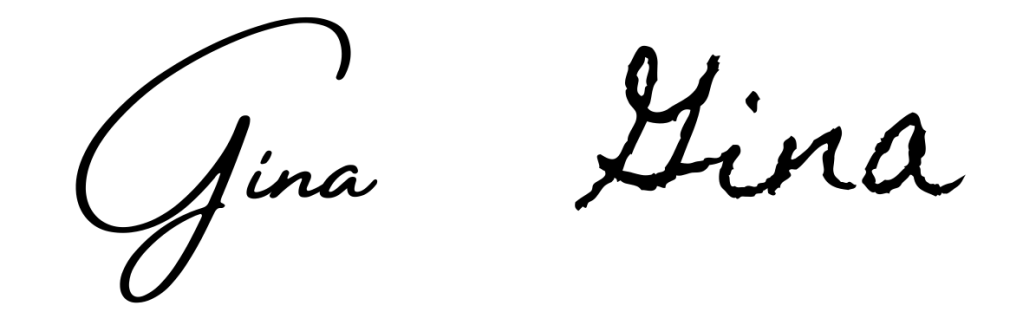
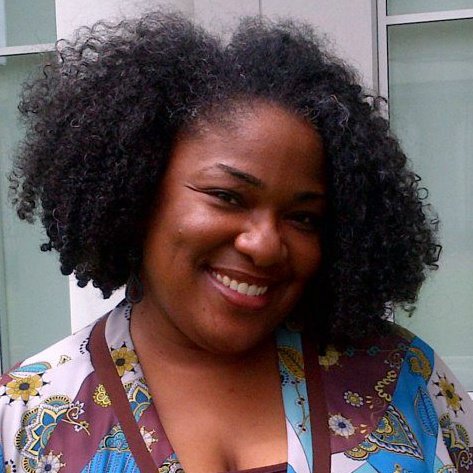
I am Regina. Some people call me Gina.

We donโ€™t get to choose our own names. We are born into families โ€“ the consequences of our ancestorsโ€™ choices โ€“ without consent. Weโ€™re called blessings, mistakes or “oops babies”, miracles, and pleasant surprises, the result of the choices that led to our conception. But we wear these labels and responsibilities when we arenโ€™t even there to participate in the choices that led to our conception. And we donโ€™t even get to choose our own names.

My parents named me Regina Lynette Walker. Walker is my paternal surname. Regina was selected because it sounded elegant and Mommy wanted me to be elegant as well. I donโ€™t know the story of why Lynette was chosen – for much of my early life I didnโ€™t have much interest in Lynette. I was told that if I was a boy, I would have been Kenneth. From the beginning I was called Gina. I loved the name Gina. And my heart was broken, seriously, when I was forced to use Regina for school.

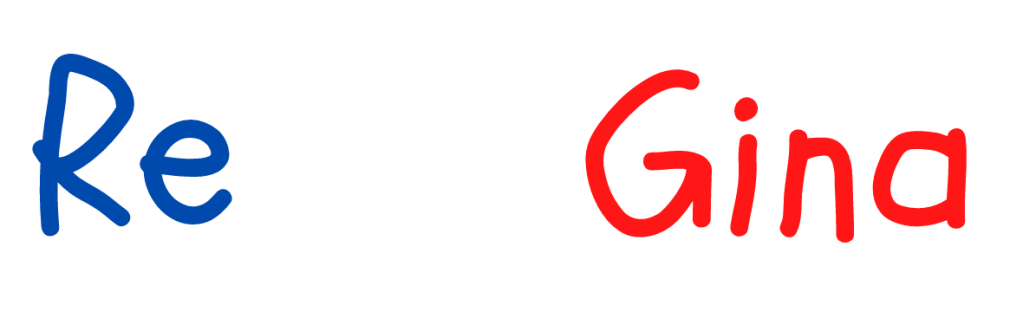
Let me tell you how serious I was about Gina vs Regina. When I turned five and would be starting Kindergarten, Mommy required everyone outside of the family to call me Regina and for my daycare center to make me practice writing my name, Regina. I would always test the limits when told to write my name on papers, writing Gina as if Regina just never happened. And when I was corrected, forced to write my full first name, I would add the โ€œReโ€ far on the other side of the paper in a different crayon color. I was serious about passively expressing my disdain.

I loved what teachers did with โ€œGinaโ€ on my art papers in daycare, writing my name in cursive at the top of brightly colored and painted creations. I thought it was beautiful enough to be a part of the work of art Iโ€™d created. And I would beg them to write my name on my papers, that is, before they were required to use Regina. I could write that mess myself – I was a precocious child so I think that was the exact thought I had.

Why did I love the name, Gina, so? It wasn’t my choice so I spent no energy in creating the name. But I can tell you that I still hold it dear. If you are not a loved-one (family) or close-one (friends and friends of family) then I know that you were told my name is Regina. And when you take it upon yourself to call me Gina, the hairs on my neck stand on end and an icy chill ripples down my spine. I used to correct people, but that has brought on endless drama. Because that chill down my spine only lasts a few seconds, I try to roll with it.

One day after a melodramatic display of rending my garments while weeping and wailing over having to write Regina on a paper in my coloring book (melodrama was for Daddy, passive aggressive for Mommy), Daddy showed me what my name meant in a dictionary. I read something akin to the following – โ€œThe name Regina means Queen and is of Latin origin.โ€ Queen. I was like so let me get this straight โ€“ when you call me Regina, basically and essentially you are calling me a queen. Oh, I like that, and I will get used to that! From then on, I wore Regina like a diamond tiara. When people had trouble pronouncing it, I raised an eyebrow haughtily, squared my shoulders, and lifted my chin to enunciate my name with precision, clarity and honor. When people had trouble spelling my name, I would snap it off my tongue with the crispness of biting into a granny smith apple and then spell it in syllables and in rhythm โ€œR-e/G-i/N-aโ€.

Why is my name so important to me? Iโ€™m not sure exactly – I didn’t even choose it so there was no time or energy investment on my part. I know that Gina is much more intimate and Iโ€™m actually disappointed when family doesnโ€™t call me Gina – I feel like that means there is distance between us. I know that Regina is much more formal. I work with family and I am Regina at work and Gina after hours so that non-relatives don’t call me Gina assuming incorrectly that it’s what I prefer in general.

Over the years some people have taken it upon themselves to improve upon my name or to use something more familiar of their own choosing. I have taken great offense at Gi-Gi, and I refuse it by any means necessary. I tolerated Regine/Rayjean/Rajean (yes, those are all the spellings I saw on greeting cards and notes) because of the character on Living Single whose given name was Regina but chose to be Rรฉgine instead. And then they had the nerve to shorten this misnomer to Jean. For these people, I would like to know who are you to think you should change my name from the one my parents spent months deciding on and with confidence, documented it once I was born? *There is one exception to this rule and he knows what he can call me and he knows who he is.

My name is Regina. And some people call me Gina.

3 Min Read, Why This Blog?

Then, Vulnerability. Now, Identity.

Roughly 13 years ago, I thought I was having general chit-chat with someone I was assisting with some clerical and logistic details of a presentation. He was someone I had heard about but only just met, and it turned into a mini-counseling session. I hated that โ€“ no one wants to find out they were dumping their issues on someone they just met.

It was bittersweet because he has a gift of counseling so not only was that something that he would do with anyone who has so many issues that they spill all out of your baggage, but he was good at it – hearing it, recognizing it, encouraging it, and coaxing it. He said one sentence that would change the trajectory of the following nine years of my life.

It was so simple and so obvious, but I needed to hear it and to hear it from him and to hear it on that day at that time. He said that I was comfortable with other peopleโ€™s vulnerabilities โ€“ almost a safe space for them โ€“ but that I was uncomfortable with my own vulnerabilities and didnโ€™t trust anyone with them. I mean, thatโ€™s not exactly profound in and of itself and it makes a lot of sense and could have easily just been a statement I acknowledged as an accurate observation. But for the season I was embarking on, it was a seed that landed on fertile ground. And for nine years I nurtured it, and it blossomed, and it gave me a bountiful harvest. I wrote all about it HERE.


Roughly six weeks ago, I was in a formal talk-therapy session and though weโ€™d discussed this on some level for the last three years, she gave me a word – a seed falling on fertile ground. Identity. And just as I did with the word Vulnerability, I will explore Identity in a public way via this blog. And hopefully I will better manage the changes in my relationships and friendships that comes with this decision. Iโ€™ll continue to use literary license where necessary to protect the innocent, so to speak.


So, letโ€™s just jump right in. As of today, I self-identify on social media with the following.

  • Sagittarius โ€“ Sagittarius is a sign of the zodiac that represents people born between November 23rd and December 21st.
  • Xennial โ€“ A micro-generation of people on the cusp of the Generation X and Millennial demographic cohorts, typically born in the late 1970s to early 1980s.
  • Sapiosexual – A person who finds intelligence sexually attractive or arousing.
  • Wounded Healer โ€“ A person who is compelled to help others because the person him/herself is “wounded.”
  • Tsundoku Sensei โ€“ A master at collecting unread books.
  • Printrovert โ€“ One who prefers the company of books to that of people.
  • Imperfectly โ€“ I have an Etsy shop selling prayer beads that I make without correcting imperfections.

Thatโ€™s the easy part because I have already shared that with the general public. This information is like my music collection, books on my shelves, and the figurines I collect โ€“ conversation starters for anyone who Iโ€™ve allowed to enter my space.

So I guess, bienvenue dans ma vie!