10 Min Read, Donna Maria Thomas-Walker, Family, grief, Holidays, Mental Health, Parenting, Relationships, Robert Samuel Walker

I hate Motherโ€™s Day.

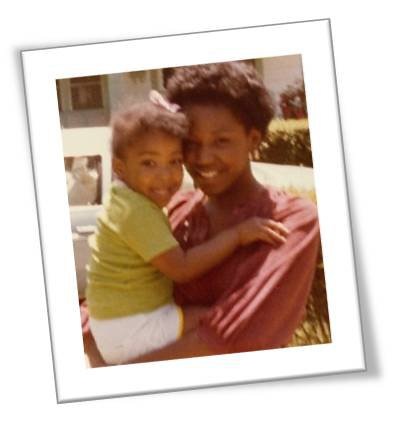
As a child Motherโ€™s Day was not a huge deal to me specifically. It was always hot that Sunday. I would usually have a new shorts ensemble. I donโ€™t think it was a โ€œring curlsโ€ event but I canโ€™t really remember and for some reason I canโ€™t find a single photograph from Motherโ€™s Day. And as a motherless child with a dream of parenting deferred, it was hell and now it’s just unpleasant. But I remain slightly melodramatic and declare I hate Mother’s Day.

At my church โ€“ the place where I was baptized and a member until my last year of high school, Motherโ€™s Day events happened for my family mostly on the Sunday and Saturday before. We still attended whatever rehearsal or practice or meeting that was scheduled even though we werenโ€™t going to be in town on that Sunday. And at the end of either the Sunday before Motherโ€™s Day or on that Saturday just before the day, weโ€™d go to the ladies with the trays of corsages โ€“ carnations made from tissues โ€“ in red and white. I canโ€™t be certain, and it doesnโ€™t seem quite right, but in my mind the ladies were selling these faux carnations. We received 3 โ€“ white for Daddy and red for me and Mommy. Remembering this transaction means this memory happened only a couple years but they were obviously poignant years. It was after Grandmommy died and before Dorothy died. (Mommyโ€™s mother was always identified by her first name instead of any version of Grand Mother.)

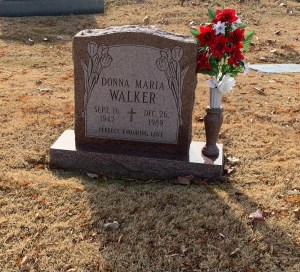
And for a period of time, I remember the 3 carnations โ€“ one white and 2 red โ€“ carried a little bit of pride and a little bit of sadness. I was sad that Daddy had to wear a white carnation, but he seemed to wear it proudly. And I took on that emotion and carried it as if it were my own. I was sad that Mommy wore a red flower and as she pinned it on her left side sheโ€™d always say, โ€œI donโ€™t know if my mother is dead or alive so I will wear red. I hope sheโ€™s still alive.โ€ She was sad, but hopeful to some degree and I took on that emotion, added it to Daddyโ€™s, and carried it as if it were my own. And then she pinned my red flower on my left side, and I was proud. My mommy was still alive, and I saw her every day and I knew for sure that she loved me. I chose to put my feelings in my back pocket, carrying my parents’ emotions as an expression of loyalty. Even though she received the tissue carnations from the church ladies, we usually wore a different faux flower, a pretty one that Mommy bought, to go to Mississippi.

If my memories are accurate, we went to Corinth and Rienzi in Mississippi โ€“ the place Daddy always called home โ€“ every Motherโ€™s Day until I graduated high school. I donโ€™t remember the years before Grandmommyโ€™s death vividly โ€“ just little flashes of only her like when she saved me from a grasshopper and would have to call me out to come and greet her because I was too shy to just jump in and hug her when we got to her trailer on my uncleโ€™s land. Iโ€™d hang outside the door or against a wall, maybe hiding behind Daddyโ€™s leg until she asked about me.

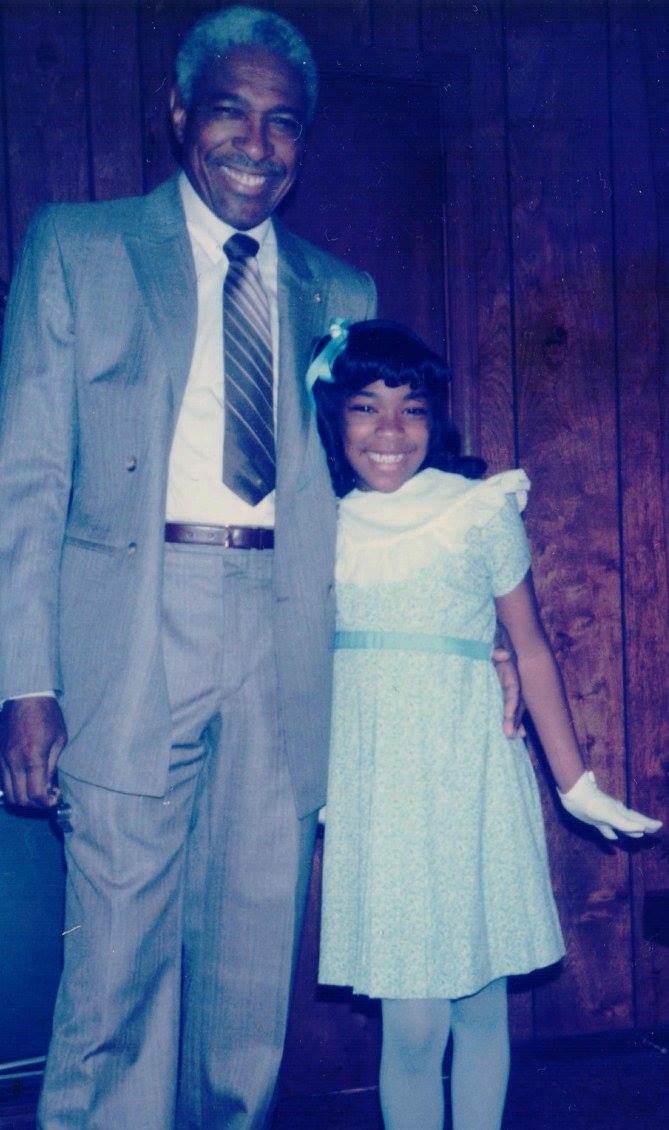
We dressed in our Sunday best, I remember Daddy wearing his clergy collar and I felt like it made him royalty for a Sunday. Weโ€™d get into the car and drive toward the country. We would make one stop before heading to church โ€“ the church I always believed my entire family for generations belonged, even though truthfully I donโ€™t know for sure how many generations before my fatherโ€™s attended that church.  Weโ€™d stop where Grandmommy was buried, beside the grandfather I never knew and Daddy would go alone. Then we were off to Mount Pleasant Missionary Baptist Church. On the way to finding a seat weโ€™d speak to everyone โ€“ I told you I felt like Daddy was royalty that day, greeting all of the parishioners who seemed so excited to see him. I determined after all those greetings that we were related to no less than half of the congregants. Daddy preached the sermon. My aunties and cousins sang in the choir. My uncle was a deacon and usually led devotion. After the service was over we spoke to the people we missed or who arrived late. This is when I tried to figure out how I was going to ride to my uncleโ€™s house with my uncle. Most of the time that meant finding his wife, my auntie, because she always just told me I was going with them. There was no asking permission and no risk of hearing โ€œnoโ€. Uncle would always call me his โ€œpretty little nieceโ€ when we greeted and for some reason my braids and shoes didnโ€™t feel so tight anymore. Weโ€™d head to my uncleโ€™s house where Iโ€™d change into my shorts ensemble to play with my cousins. Sometimes we ate at my auntieโ€™s house in Corinth and sometimes she came to my uncleโ€™s house in Rienzi. The fried chicken – Grandmommyโ€™s recipe – was the star of the meal for me. After filling up on dinner and getting to have sodas โ€“ pops โ€“ without permission (carbonated water irritated my system so they were off limits) I spent the rest of the day playing with my cousins. Weโ€™d return to the city (Memphis), and weโ€™d do it all again in one yearโ€™s time. Nothing about that day meant Motherโ€™s Day to me. It might as well have been called Mississippi Day.

When I was 6 or 7 years old, Dorothy surfaced. She was dying of cancer and the family who had been estranged to Mommy for what seemed my entire life were calling her to California. After what felt like an eternity of Mommy sitting at her motherโ€™s bedside, she came back home to me. But Dorothy took another turn without Mommy with her, was refusing to obey some doctorโ€™s order โ€“ like eat or something โ€“ and was calling for Mommy to return to her. I wanted to go but she was going for an indefinite period of time and I had school. Dorothy died a few days after she returned to California and it ended up being about 2 weeks from the time she returned to California, Dorothy died and was cremated, and Mommy returned home to me. The next 4 or 5 Motherโ€™s Days, mommy wore a white flower. Even though she seemed sad, she also seemed relieved to a degree. She would shed a couple tears, but I think just knowing for certain whether Dorothy was dead or alive was enough. I also think whatever happened in Dorothyโ€™s last days allowed Mommy some closure if not a repair of over 40 years of a challenging mother-daughter relationship and she could more easily wear that white flower.

Two weeks after my 13th birthday, I lost my own mother. That first Sunday going to Mississippi the only assertion of my own rights (as opposed to unspoken rules) was to wear a white corsage, one that chose and found beautiful, and I wore a white dress. Even though I had been sitting alone at church services for about 5 months, that Sunday felt particularly lonely. And it was the last time I would wear a white flower. The main reason was because that white flower served no purpose to me and all it did was made me angry. But the secondary reason was because people โ€“ I think Daddy was one of them โ€“ told me to wear a red flower because I had a step-monster the next year. I hated the entire system of red and white flowers and determined to leave Motherโ€™s Day on the calendar as simply the 2nd Sunday of May and Mississippi Day. Who the hell thought I was supposed to replace my white flower with a red one because of a step-monster? Did no one see that it meant replacing my mother and dismissing that she ever existed? Why didnโ€™t anyone think of at least saying I should wear 2 flowers to represent both women? I wouldn’t have but at least they wouldn’t be suggesting that I erase my mother completely and embrace the monster that my father married in her place.

I tried to pass on some love for Motherโ€™s Day to the other โ€œmothersโ€ in my life. I tried to come up with something to honor Sissy because she was a mother. I always made sure to tell Ms. Bell because she loved me with a motherโ€™s heart and hand, but she was gone I believe just about two years after my mother. But it soon felt that acknowledging other mothers meant dismissing my mother further. It highlighted her absence and was painful. I would be in my 20s before I realized I needed help for my grief and I was going to have to find it for myself โ€“ professional help. Until then whenever I remembered Mommy, I felt the exact same trauma and pain that I felt the moment I found her. Once I had been alive longer than I had had her in my life, I determined the pain should have lessened over the years and that it was a problem.

After finding more peace with the loss of my mother and dealing with the associated trauma, I still found I hated Motherโ€™s Day. For at least a week prior, everyone from the checkout counters in stores to the man who detailed my car, wished me a Happy Motherโ€™s Day. And people who knew I wasnโ€™t a mother came up with a list of reasons I should still be recognized as a mother โ€“ aunties and sisters and nearly all women were recognized as a mother for Motherโ€™s Day. And in addition to highlighting the fact that Mommy was gone, I was reminded that years were ticking by that I imagined I would have had my own kids. And then Iโ€™d approached the age where Iโ€™d decided that I would give up on biological children and began grieving my children who didnโ€™t exist and a dream Iโ€™d had since I was 11 years old. So, I started staying indoors on Motherโ€™s Day avoiding social media, heartsick.

What happens to a dream deferred? Hope deferred makes the heart sick, But when desire is fulfilled, it is a tree of life. (Langston Hughes, Harlem plus Proverbs 13:12 AMP)

The only joy I find is knowing that my niece and nephew make sure to celebrate and honor Sissy. I hate carnations and sometimes have peonies in a vase on the day for myself โ€“ my favorite flower. I celebrate Mommyโ€™s birthday as Motherโ€™s Day, my Motherโ€™s Day, instead of the 2nd Sunday of May with cupcakes and champagne and tulips โ€“ her favorite flower – when I can find them (her birthday is in fall). And I wish the mothers in my family a Happy Motherโ€™s Day on the Monday after.

I hate Motherโ€™s Day.
5 Min Read, Donna Maria Thomas-Walker, My Body, Parenting, Smart and Pretty, Why This Blog?

I absolutely hate having my photograph taken.

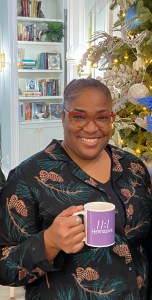
When I decided to explore my identity publicly via this blog I decided to include a photograph of myself with each post. This makes me extremely uncomfortable but I thought it was an important part of my identity โ€“ the entire topic of the blog. And I believed it would be a way to become more comfortable with my appearance and photographs.

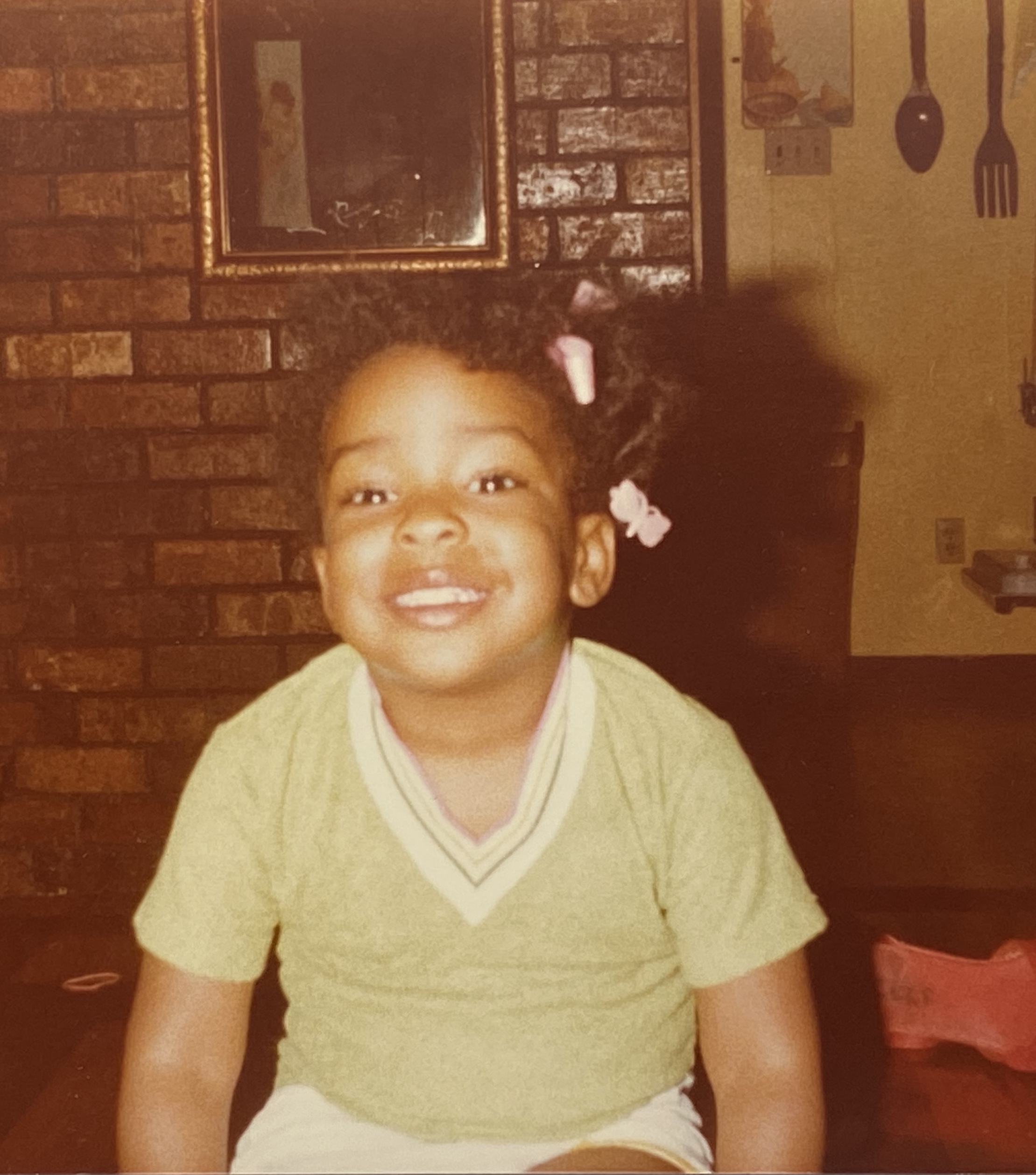
I didnโ€™t always hate having my picture taken. When I was a kid I photo-bombed as much as possible before it was a thing. I can remember actually crying real tears when Mommy was taking pictures of someone outside in the backyard and wouldnโ€™t take one of me. She had one shot left on the roll of film when she finished and allowed me to pose. Did she save me the last one? Was it by chance? All of that is irrelevant because I loved the photo in my sundress, arms up and out (which seems to be my favorite pose, even now).

Above: Some of my favorite photo bombs – back when you didn’t know what you had for weeks while you waited for your film to be developed. My height worked against me but I still tried to get in there.

Below: I managed to dry those tears real quick, throw my hands in the air and work the camera.

Mommy’s insistence that I smile a certain way and pose a certain way grew old. School photos became a source of mild anxiety. If my hair was not the same as it was when I left the house that morning she didnโ€™t understand why my teachers didnโ€™t fix it. If I didnโ€™t smile quite right she didnโ€™t understand why I made that face. If flaws were shown โ€“ snaggle teeth or squinty eyes โ€“ she told me what I needed to do to correct or hide them. It sounds horrible, and it felt that way, but I do understand fully what she was trying to do. You had one shot to get a beautiful picture when using film and she believed I was beautiful. She just wanted the camera to capture what she saw.
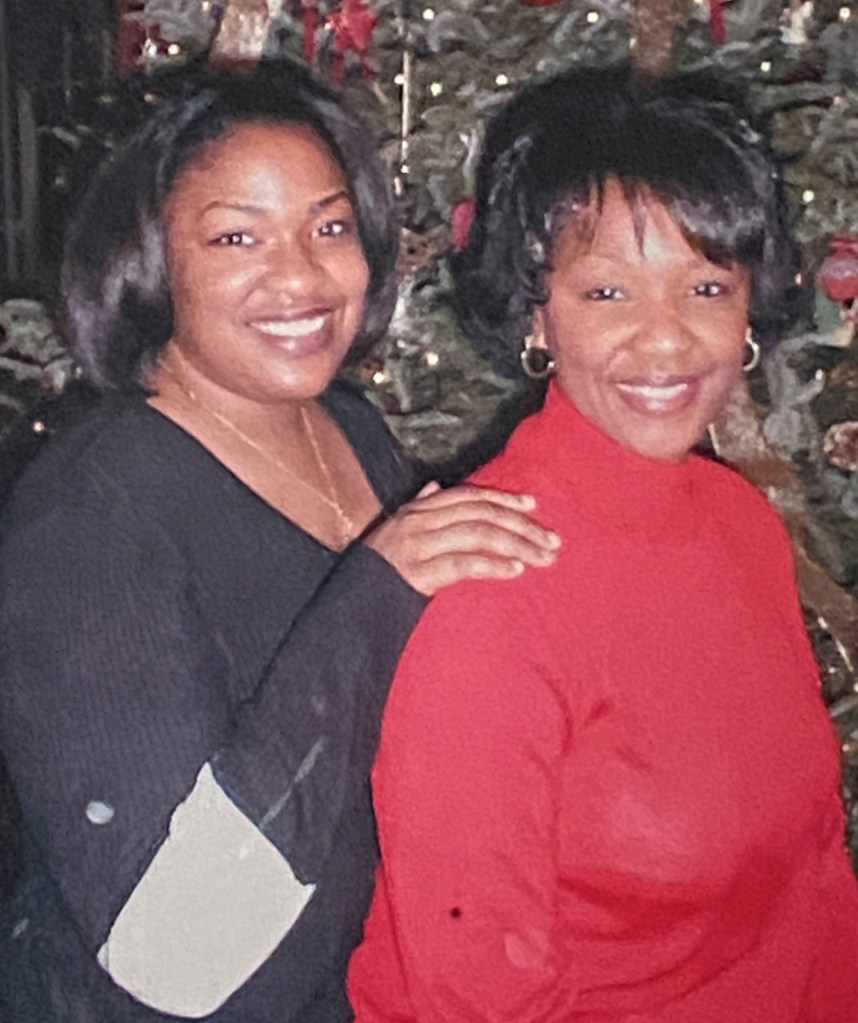
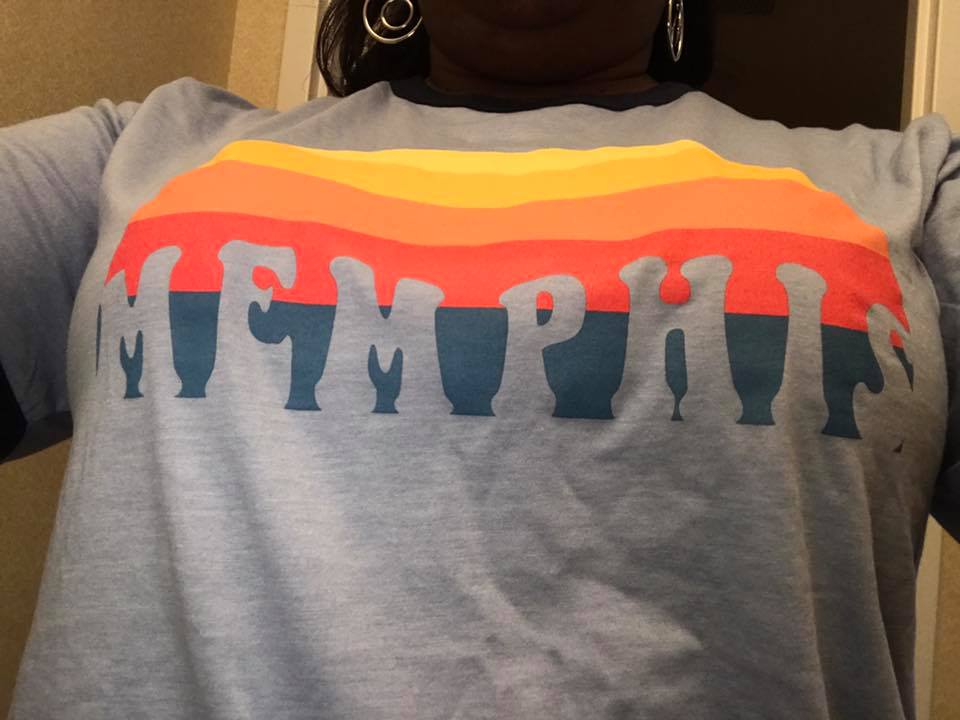
Then as I gained weight and became a fat woman, I hated documenting that in pictures. And when I lost weight I still saw that fat woman in photographs and that was usually the end of whatever diet I was trying because why work hard if I couldnโ€™t achieve what I wanted. And today I hate to wear makeup having struggled with acne since Iโ€™m 9, contact lenses mostly because pollen and an astigmatism, and anything other than destructed denim and graphic tees for comfort. I wear sneakers everyday and fight to cover my fast-growing gray hair that cruelly started along my hairline, impossible to disguise. I donโ€™t like taking pictures, but I take them for one reason only โ€“ family memories. Mommy reached a point in life where she hated having her picture taken, too, and we regret not having enough photos of her to show people documentation of our memories. I know that photos are your source of remembering life events and that itโ€™s important to have them no matter what you look like at the time.

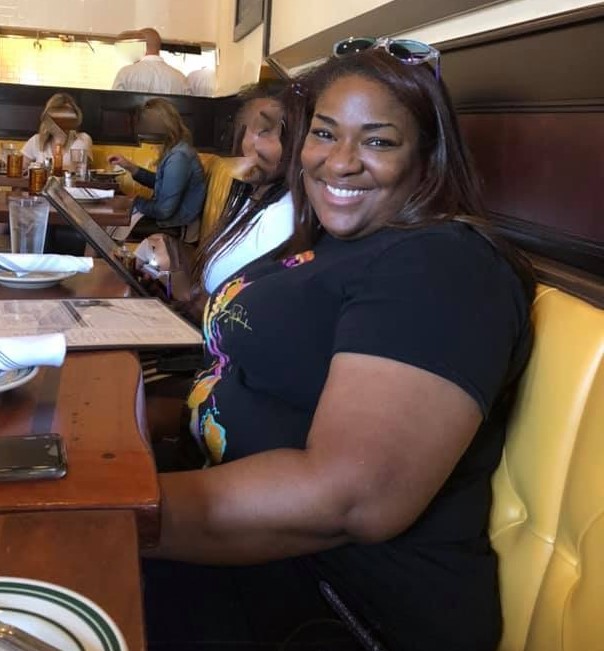
After seeing this photo, I was literally disgusted at the sight of myself. But I didn’t demand a re-take because we were making travel memories (a family member is the blurred and deleted image beside me). And no re-takes were going to make me look smaller. And I was already convinced I could never look better.

I hope to stop avoiding the camera during this phase of peeling back the layers to expose my true self. I hope that I can ignore whatever I consider flawed and begin to embrace the things that are the charm of me. And I hope that I can look back on photos and remember the joy of celebrations, the enlightenment of travels, and the love among loved ones and close ones. For now, the way that I am working on that is by posting as many photographs as I can find and take of myself (click here for the gallery updated often) while I talk about who I truly am as a whole person. It won’t be me in every post but I’ll make a significant appearance.

5 Min Read, Brothers And Sisters, Donna Maria Thomas-Walker, Robert Samuel Walker, What's In A Name?

Rebel Gina

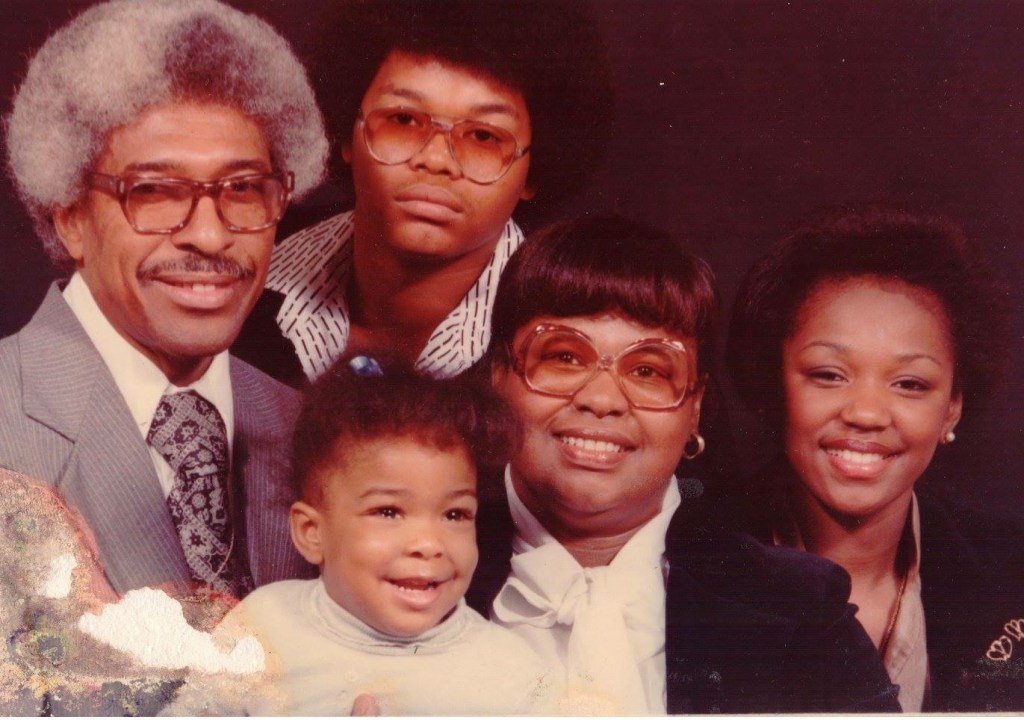
Why would I expect to behave just like all of my family? I was born โ€œoff-generationโ€ โ€“ my father was old enough to be my grandfather. He was number 5 in a family of 15 children. The brother that I know he spent most of his happier times with was 20 years younger than he. My first cousins werenโ€™t my friends because they were old enough to be my parents. My oldest siblings were old enough to be my parents. In fact, 3 nieces and a nephew are older than I. My youngest siblings were not my friends but my secondary care-givers as they were teenagers in the house when I was born. And because I was born into a blended family โ€“ the sole member in the Venn diagram of my family โ€“ my home culture was different than that of any of my siblings. The day-to-day norms of my fatherโ€™s first family unit were different than those of my motherโ€™s first family unit and different than those of my day-to-day norms. Why would I expect to behave just like all of my family?

Why would I expect to look just like all of my family? I was the only child between my parents. I have no other siblings with both my motherโ€™s and my fatherโ€™s genes combined. I don’t particularly look like my oldest siblings who possess half of my fatherโ€™s genes and half of their motherโ€™s genes. I don’t particularly look like my youngest siblings and we all have different fathers. My paternal grandfather was gone well before I was born and I never saw a photograph of him until I was an adult. I couldn’t find myself in his face. My paternal grandmother was around for the first 8 years of my life but I probably saw her about 8 times in that life. I couldnโ€™t find myself in her face – she was in her 80s for all of my life which I’m sure didn’t help. I didnโ€™t see my face in that of my paternal aunties and uncles. I didnโ€™t look like my cousins. My maternal grandfather was essentially a question mark and as far as genetics from him he remains a question mark. A photograph was sent to me fairly recently that is unconfirmed but highly likely him and I don’t see myself in his face. My maternal grandmother was unknown to me except in a photograph and I couldnโ€™t find myself in that picture. I didnโ€™t find my face in my motherโ€™s only sibling โ€“ my uncle has a different father than my mother. Why would I expect to look just like all of my family? ย ย ย ย 

Why would I expect to be the same person as all of my family? They are my tribe but I was not raised in my tribe. I was raised as if I were an only child. I was raised in a household of three people of three generations. I was raised by people who intentionally raised me with a different hand than the one theyโ€™d used to raise their older children. And I was raised in a vacuum of sorts โ€“ we were estranged from much of my family both immediate and extended. I was born in what has now been considered a sub-generation, not quite the generation before and not quite the generation after, a proud Xennial. I lived in what was considered “the country” to my maternal family and what was considered “the city” to my paternal family. And much of my life was presented to our community as a series of lies of omission. To be accepted by all the different sectors of my tribe, when necessary for us to interact, I had to imitate a person they would admire and value. Why would I expect to be the same person as all of my family?


When Mommy sent me out with Daddy alone, she told me not to be myself and to not let people see how I really act. I think Iโ€™ll just leave that right there for now.

The first years after college graduation were pretty hellish for me (and therefore everyone else around me). If rage could be a person, I was that person. Rage and fury kept my blood between a low simmer and a rolling boil all day every day. During that period of time my sister named me Rebel Gina. The first time she gave me that name she explained that she was confused by my behavior and even pointed out that I looked like I was dressed for combat โ€“ I wore Army green and black when I wasnโ€™t wearing heather gray and black which I associated with grief, funeral clothes. My hair was short and red and wild โ€“ it was chemically relaxed but I didnโ€™t straighten it with heat and let it dry by holding my head out the window speeding down the highways. I listened to rock music โ€“ an unofficial no-no for my family and according to what Iโ€™d been told, not intended for black people in general. I wasnโ€™t in church every time the doors opened. In fact, I didnโ€™t have a church home for the first time in my life though I generally attended my sisterโ€™s church at the time. And things considered New Age and Occult captured my interest. What was happening was I was experimenting with the โ€œrealโ€ me who was screaming to be released from oppression.

I miss Rebel Gina even though she was too angry for me to embrace with joy. And Rebel Gina was not intended to be a compliment of any kind โ€“ maybe not quite an insult but it was not intended as a good name. In my rage I loved the name she gave me. It fit what was happening; I truly was rebelling against everyone and everything all day every day. If Rebel Gina wants to come back wearing graphic tees and destructed denim, teaching me how to relax, sheโ€™s welcome. If she can simply revel in the joy and charm of Regina Lynette, sheโ€™s very welcome to stay.

5 Min Read, Brothers And Sisters, Donna Maria Thomas-Walker, Mental Health, My Body, Parenting, Robert Samuel Walker, Smart and Pretty

I am a Fat Woman. And I donโ€™t love that Fat Woman.

The women in my life during those tender years when a baby girl starts imagining what she will become when sheโ€™s older were my mother and her second child (Sissy). Mommy was 34 years old when I was born, and I was her third child. And in the end she found I had stolen her girlish figure and threw it in the trash when she wasnโ€™t looking. To little girls imagining what she will become when sheโ€™s older, a person who hates her own body is not the person you want to become. So this little girl looked to her older sister.

Sissy was 14 years old when I was born. And what I didnโ€™t know then but would soon realize, God didnโ€™t design me to be my sisterโ€™s twin. And to make sure I was never confused about His intention, in His infinite wisdom and with His ultimate creative self He made us opposites in nearly every way but gender and race.

Me and Sissy

When I could see that I was already โ€œcurvierโ€ than Sissy somewhere around age 5 (19 for her) I wanted to start dieting. Mommy was forever on a diet so I wanted to get started early so I could make sure I grew up to look like Sissy and not Mommy. Well, I donโ€™t know what you tell a mother who understands exactly why her 5-year-old little girl wants to diet โ€“ the world was still calling her โ€œhealthyโ€ โ€“ and also knows that itโ€™s completely unreasonable for her 5-year-old little girl to go on a diet. It would take a couple years but unfortunately, Mommy eventually gave me her blessing and we dieted together well before my first signs of puberty. She was careful to monitor my dieting and modified it according to whatever standards she thought best and we added intentional exercise to the regular roller skating, bike riding, and running I did while playing with my friends. And I always managed to lose some weight but never in the places I wanted and never enough to keep me from being called โ€œhealthyโ€.

Me and Sissy

God was also constantly reminding me that I was not created in the image of Sissy. To really hammer it in that I was not her twin, He showed me just how different we would forever be. She was pregnant when I was 12 years old. In her early pregnancy, you know those weeks where your clothes are just starting not to fit but youโ€™re not quite ready for maternity wear, was the first step toward my resignation of my fat-girl destiny. My clothes were the clothes she borrowed when her own were too tight. In case you didnโ€™t catch it, at 12 years old, my 26-year-old pregnant sister needed to borrow my clothes. My 12-year-old clothes were maternity clothes for my 26-year-old sister. I blamed this one on God even though I was angry at the entire world around me. It just wasnโ€™t fair.

Me and Sissy

Just before I went away to college I weighed myself and started accepting my fate as a fat-girl with less anger. I was what I judged too close to my fatherโ€™s weight at the time. And then my only goal became to always weigh less than he โ€“ a man 4 inches taller than me and slim with long limbs. The day I outweighed him, I went to the โ€œfat-girlโ€ shops to find something large enough to drape my sow-shaped body and found little solace in the fact that the smallest sizes were too large. I was struggling to find my size โ€“ how could I be fat at Lerner New York and skinny at Lane Bryant? I couldnโ€™t understand it and hated my body more. I resorted to what Iโ€™d done my entire life โ€“ diet and exercise and lose a few pounds, giving up after not losing enough weight and not in the right places.

Me and Sissy

I would repeat this cycle until 7 years ago when I just gave up. I donโ€™t imagine Iโ€™ve given up forever, but I am still stuck in the give up. Just before I gave up I had lost over 40 pounds and was very excited about my progress. The first blow was that my bloodwork didnโ€™t show enough improvement to match the effort I was putting in. The second blow was when I looked back on some photos of me as a kid and I didnโ€™t see a fat girl looking back at me. I felt betrayed by all the people who had called me โ€œhealthyโ€ when I was a perfectly average little girl. It was enough to push me over the edge into a depression that would take nearly a year to climb out of (with medication and talk therapy) having regained all but ten pounds of the weight Iโ€™d lost.

Me and Sissy

I had always believed that I was a fat girl. But I also had always been told (and believed) that I could fight it and become what Iโ€™d always wanted anyway โ€“ slim. And I am not sure if weโ€™re in the middle of that story or the end.

I am a Fat Woman. And I donโ€™t love that Fat Woman.

10 Min Read, COVID, Donna Maria Thomas-Walker, I Am Not My Hair, Robert Samuel Walker, Smart and Pretty

I am Regina Lynette, the girl with unspectacular hair.

I can provide you a list of people who would disagree, some vehemently, that my hair is unspectacular. I can provide you a list of people who would agree with that statement. I like my hair. Itโ€™s coarse and curly, oily yet non-porous, and it is soft and shiny. Itโ€™s thick and grows relatively quickly with little breakage and requires very little product to do what it wants to do โ€“ which is be free.

The first thing said about my hair was when I was born and Mommy said to Daddy, โ€œOh, Bob, she has your hair.โ€ She was happy that I had hair like the Walker side of my family because she found it beautiful. Based on my paternal grandmother and her children and grandchildren, our hair is coarse but soft to the touch; itโ€™s curly when weโ€™re younger and loosens into waves when older; we begin to gray young (usually stark white); and men keep it short while women keep it long (unofficial rules). My motherโ€™s hair was very coarse and relatively thick. Her hair started turning gray at a relatively young age โ€“ she kept it colored so I donโ€™t know when it started. And she kept it short โ€“ above the shoulder โ€“ and kept going shorter. I donโ€™t know the reason behind the length, so I donโ€™t know if it had anything to do with the hair growth itself.

Just months old, Mama had to tape ribbons in my hair – no velcro available in my day.

Iโ€™m grateful that the combination of my genes totals what I have today. Daddy would tell me how pretty my hair was first thing in the morning, before it had been combed and styled for the day. I asked him what he meant because my hair was wild and fuzzy, and he said that the hair in and of itself was what he found beautiful. Mommy would style it in plaits or ring curls, and I was to show it off to Daddy when she was done for him to say how pretty it was, loud enough for her to hear. People at church made complimenting my hair a part of the greeting. And whenever my kiddie hairstyle wasnโ€™t quite what someone expected, it was voiced, quite pointedly, that Mommy needed to go back to the standard plaits or ring curls and never waiver again. And what I learned in third grade was that the plaits were supposed to be free to swing. My assistant principal asked if my mom tied my plaits together in the back because she didnโ€™t want them to fly away when really they were connected because it required finding fewer matching barrettes. He was being silly but the element of truth in his joke was that he noticed Iโ€™d been wearing the same style a very long time and felt the need to comment. And the culmination of years of peoplesโ€™ opinions during my childhood taught me that my hair was part of my overall value.

Ring curls for Easter Sunday – EVERY Easter Sunday

I was not allowed to cut my hair before I turned 18. And when I turned 18, I cut my hair into a chin length bob. I cried. I loved it but I couldnโ€™t stand looking at all the hair that was piled on the floor. And I didnโ€™t touch it much at first โ€“ it was so strange not to have enough hair to pull into a ponytail. My stylist wouldnโ€™t do the cut until she received express approval from Daddy. I tried for years to convince a stylist into cutting my hair and just risking whatever punishment I might get but not one of them would do it. And he gave approval because it was promised, not because he thought cutting my hair was okay. And while it wasnโ€™t specifically stated that bob was truly the shortest I would have been allowed to go.

Cutting my hair then, for me, was about looking more mature. I thought a ponytail was for the young. Cutting my hair then, to Daddy, was part of my โ€œwandering spiritโ€. It was something to experience because I could, and he fully believed I would prefer to return to wearing my hair long. Cutting my hair to this one old lady from my church was a sin and I was on my way to hell along with my parents who allowed it and my stylist who did it. Cutting my hair to other people was wrong because there are women in the world who cannot grow their hair long.

A chin-length bob has always been the shortest length acceptable to Daddy and many of his relatives.

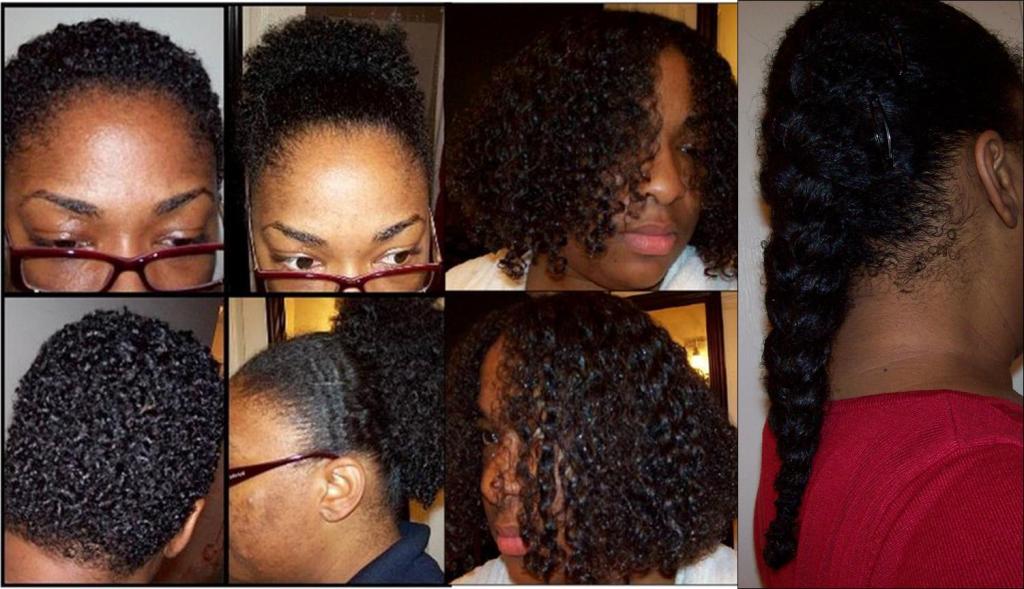
As an adult, I took interest in learning to take care of my hair so that I would have the freedom to wear it however I felt. In college I considered going relaxer-free for the first time. I did it without any education or planning so it wasnโ€™t successful. When I started transitioning, I wore my hair in two braids a lot and sometimes in a bun. After giving up and getting a relaxer touch-up because I truly had no direction, I was scolded for having waited so long before getting a relaxer and was told to never do that again. After trying different cuts and different hair colors I hit a sweet spot with tri-color highlights and long layers on relaxed hair. I was so excited to have found what I judged the perfect style. Unfortunately, it was not maintained by the perfect stylist and a combination of too many chemicals and trying to exercise outdoors in triple-digit temps with no hat created breakage in my crown. Breakage in the crown meant a significant cut so I took some time to figure out what I wanted to do.

A timely visit to my fatherโ€™s family made me wonder if I had what they had โ€“ Iโ€™d worn my hair chemically straightened since I was nine so I didnโ€™t know what my curls or waves would look like twenty years later. So I decided to cut off all the chemically treated hair and go completely natural. I literally went to three shops, including a barber shop, and literally no one would cut my hair. I didnโ€™t necessarily want a particular style, I just didnโ€™t want it to look like it was cut with safety scissors and edged with a butter knife. And they all refused. I made my way to a natural hair salon and during my consultation she told me that the front of my hair should grow a little longer for the cut to look good and to wait three or four months before cutting. I kept it in a protective style for those months and I did the big chop as soon as I could. I had a teeny-weeny afro with tighter curls than I imagined, and I absolutely loved what was on my head. And I learned how to take care of it, and I focused on the care and treatment of my hair intensely. I didnโ€™t necessarily show off my new cut โ€“ especially to my fatherโ€™s family – because I wasnโ€™t interested in anyoneโ€™s opinion. But that doesnโ€™t stop people from saying what they want to say. I was told that it was unattractive and to never cut it that short again by relatives on both sides. I was told by people I worked with that it made me look thinner. And I was approached everywhere I went by other black women who asked me about my stylist and products I used.

The first four years chemical free starting with my Big Chop. I didn’t even put any heat on it during that time other than a blow-out in the first year for trimming and to check out my ‘fro.

Cutting my hair then for me was a change I made primarily because it was damaged, and I wanted to try something new. Cutting my hair then for my relatives was just a temporary solution to a problem and something to endure until it was long and straight again. Cutting my hair then for โ€œsocietyโ€ was a statement of my blackness and my woman-ness and my American-ness. I wish I could have photographed the faces of all the people who had made various assumptions about me based on my hair the moment they learned they had me all wrong. And it’s funny that out of all the misconceptions, no one had the same misconception. Cutting my hair then had nothing to do with me as a person. It was the first time I didnโ€™t think my hair was part of my overall value and I was irritated when other people continued to push that message (and burden) onto me.

Along the way, in addition to releasing the idea that my hair was somehow associated with my value as a person, I realized the significance of changing your hair after certain life events. I know there are many cultures who cut their hair after deaths and other losses and to symbolize new beginnings of all kinds. I was only ever advised to never cut my hair. No one told me that the urge to cut that man out of my hair after a breakup was primal and a wonderful release. And when I gave in to that urge, just wow! And no one told me that the urge to go red was a sign of strength โ€“ whether you are strong or need to be strong, red hair can embolden you for anything that comes your way. After I graduated college, my sister called me โ€œRebel Ginaโ€ because I was angry and saying โ€œnoโ€ to everything Iโ€™d ever been taught in life. The hair during that time? Short, red, and wild.

This is NOT “Rebel Gina” but this is a short and red phase of life. It just so happens I regretted this cut myself, but I loved the color.

But just like when I was looking for that fat girl in old childhood pictures, I looked for the girl whose hair was supposedly spectacular. I looked for the girl who was identified in a crowd because of her hair. I searched out the girl who was somehow made better because she had something regarded unique on her head. And all I can see is that there were many other people around me who had hair that was significantly more spectacular than mine. I saw nothing particularly special about my hair. And I have the courage to admit it, the freedom to accept it โ€“ my hair is utterly unspectacular. But I understand that when itโ€™s viewed through the lenses of others who donโ€™t have the same kind of flexibility of styling that my coarse, curly, shiny, graying hair allows me that it appears to have some additional value. I no longer internalize that view because it says nothing about me and everything about them. My hair is not a part of what makes me valuable and Iโ€™d go as far as to say my hair has nothing to do with my identity. Sure, I can see where I inherited what I have from my ancestors, but apart from genetics, it has nothing to do with my identity. I use it as an expression of something or an accessory sometimes but itโ€™s no more spectacular than my earrings and graphic tees.

Fourth Grade, Oakshire Elementary School – Memphis, Tennessee

Thank you, everyone, who has complimented my hair. I feel good when you agree with me that what I have on my head allows me to be free. And itโ€™s okay if you donโ€™t like the style Iโ€™ve chosen โ€“ you donโ€™t have to remind me of better styles or try to drill it in my head that you donโ€™t like my choice. Sometimes I donโ€™t like my choice either. All of that is good but there is no value, uniqueness, nor importance in my hair.

March 30, 2020 – Just before my city went to COVID related Safer-at-Home orders. And I miss my stylist!

I am Regina Lynette, the girl with unspectacular hair.

3 Min Read, Donna Maria Thomas-Walker, Parenting, Relationships, Robert Samuel Walker

The Elevator Story

My parents met on my motherโ€™s first day of work for the Lincoln American Life Insurance Company in Memphis, Tennessee, somewhere around 1965. The story of their first meeting โ€“ literally the first time they laid eyes on each other and spoke to one another โ€“ has a little bit of fame in my family. Eyebrows raise, smiles slide across faces, sometimes thereโ€™s a little side-eye or maybe a little sneer whenever The Elevator Story is mentioned. I am fuzzy on details and the order of events but basically, there was some flirting โ€“ Daddy was being a little mannish and Mommy was being a little fast โ€“ and then we jump to a courtship, marriage, and the pleasant surprise that was me.

For me, my parentsโ€™ meet-cute is the height of romance. And I cannot tell you how happy I am that the building where they met has been declared an Historical Landmark and they have preserved the look of the elevator lobby. I feel like I get to go back to the moment in history where I first became a possibility whenever I want! For others, my parentsโ€™ meeting was not so much romantic as it was destructive.

My mother was the first Black woman hired in a professional position at Lincoln American. My father already worked there, but in a professional role. My father saw her in the lobby on her first day and got into the elevator with her. Some of the flirting involved my mother declaring that all the handsome men are already married when she noticed his wedding ring. I remember what my fatherโ€™s response was to that but whatever it was, a relationship started pretty quickly between the two and the idea of his already being married became an inconvenience to deal with many years later.

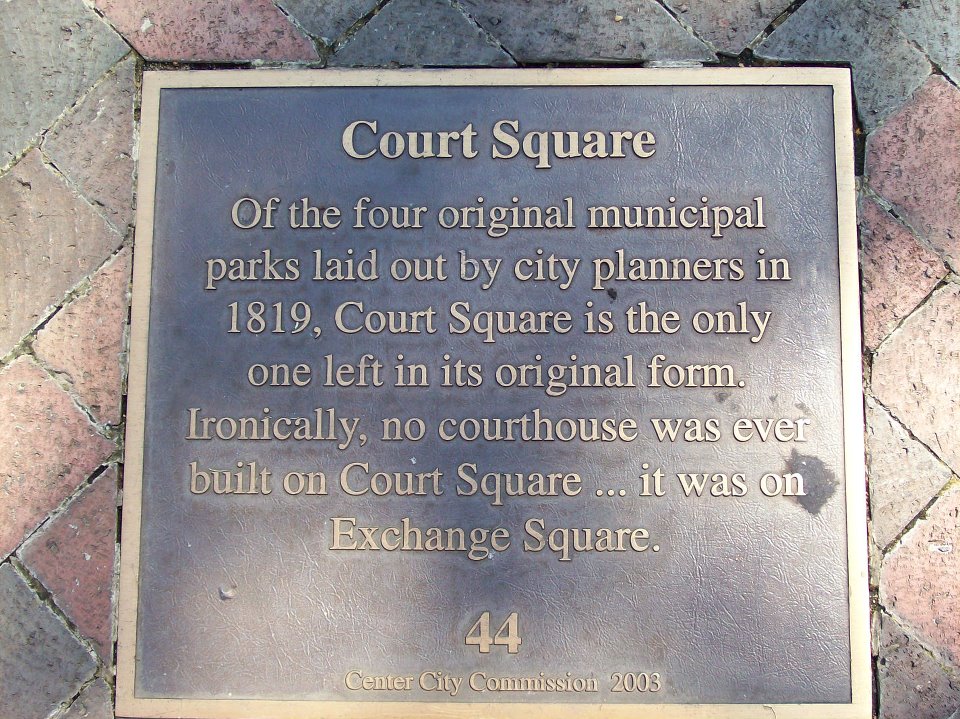
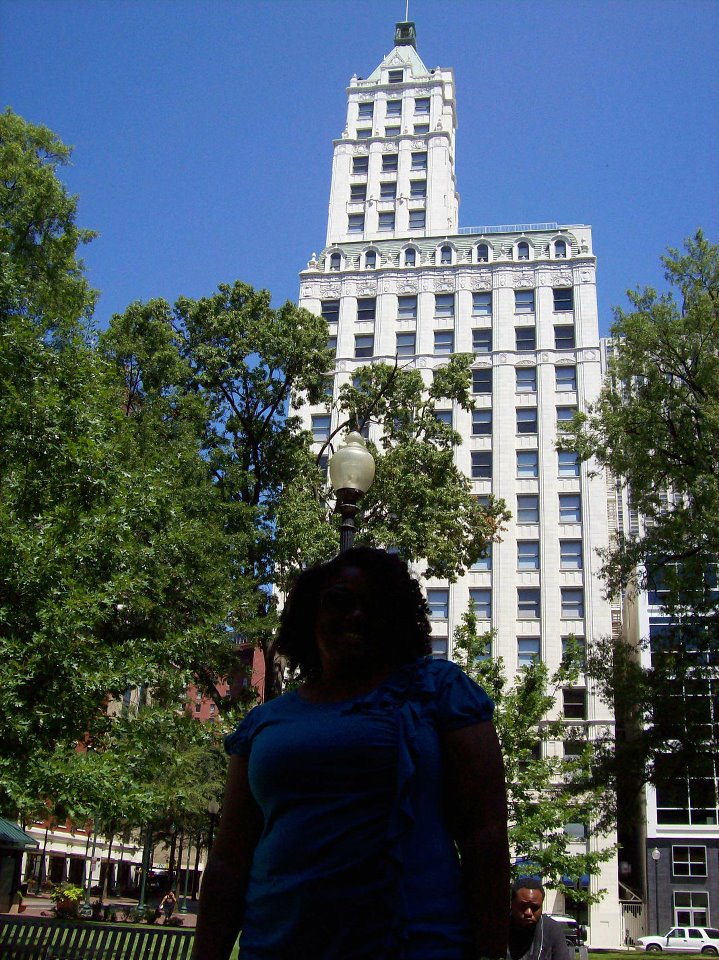
My parents worked together in the same building and saw each other on weekdays. They started spending lunch hours together and they were so in love they didnโ€™t need food โ€“ they literally made out on a bench for their lunch hour somewhere around Court Square park. They wrote letters to each other that my father kept in a box that I was never allowed to see.

My father was diagnosed with colon cancer sometime during their on-again-off-again courtship. This marked a crossroads in my parentsโ€™ lives and is one of the milestones that affected their familiesโ€™ lives. The short of it is that mommy was concerned for her man and wanted to be with him and take care of him while my fatherโ€™s wife and children believed this was a time for family, of which she was not.

Somewhere in this mix other people became concerned when they knew my parents were pursuing a serious romantic relationship which was no secret to anyone after this event. My motherโ€™s grandfather thought he was a dirty old man. Maybe because my father was closer in age to my great-grandfather than to my mother. Maybe because he was married with grown children, the oldest very close in age to my mother. My fatherโ€™s church had reservations about his ministry, particularly with his choice to recuperate at home with my mother. Some of my fatherโ€™s nephews and brothers were disappointed but were able to come around to his side very quickly.

But getting back to the fairy-tale, they had so much love between them that they shared a special hug and the love overflowed into a baby. Daddy had to get divorced and married pretty quickly. And on May 27, 1976, my mother went to work Donna Maria Thomas and returned from lunch as Donna Maria Walker. They went to the courthouse on their lunch hour and got married. They moved into a little red house in Whitehaven and had a little baby girl.

Iโ€™ve always believed my parents were soulmates. A lot of people think I feel that way because they were my parents. And several people cite the unhappy days of their marriage as proof they werenโ€™t really in love. But I was there for the little things. Itโ€™s sometimes in the way a person says your name โ€“ thatโ€™s often the first time I realize when someone is in love. Itโ€™s always in the eyes โ€“ even when you are so pissed that you donโ€™t want to look at them, when you lock eyes with your forever person, for a moment nothing else matters. And when you have so much love that it pours over and makes a baby, you spend time pointing out the things in that baby that belong to the both of you, admiring what your love has made. I believe that with therapy and patience everyone would have believed that they were truly meant to be just as I do.

3 Min Read, Donna Maria Thomas-Walker, grief, Holidays

I am Regina Lynette. I hate December 26th.

I am prone to complicated metaphors. To follow this one, you will have had to have broken a glass on your kitchen floor before. If you havenโ€™t, there are some important things to understand. Shattered glass is tricky. It breaks in large chunks and tiny pieces. Those with experience cleaning broken glass can often manage it without injury. Large chunks go first. Tiny pieces are carefully sought out and picked up with care. And you wipe and sweep and vacuum and mop and wipe and sweep and vacuum and mop again hoping that youโ€™ve gotten everything up. Somehow you know one little shard was missed and you announce to the household that a glass was broken in the kitchen so that everyone takes care. Hard soles are worn for days in the kitchen to protect feet from cuts. And just as soon as everyone forgets about the broken glass, someone not wearing shoes steps on the last missed shard and bleeds. It is never in the place where the glass was broken but usually somewhere odd โ€“ it either ricocheted across the room during the break or was moved by all the wiping and sweeping and vacuuming and mopping.


A child at my church was killed one Christmas Eve. She was younger than I by a few years. Her parents had recently divorced, and she was spending that holiday evening with her father. Sheโ€™d asked to sleep in his room, but he sent her to her own room to be a big girl. Later that night a truck slammed into the house near her room and killed her instantly. It was so horrific that our household was not filled with the usual cloudiness of grief and compassion for others but a foreign inability to comprehend the news. What must that family feel? What does that kind of trauma do to a family that is already smarting from the recent divorce? How do they go on? And do they celebrate Christmases going forward at all?

Then I lost my mother a few years later on December 26th. That following year I remembered thinking about the questions we had about that family whoโ€™d experienced a traumatic loss right at the Christmas holiday โ€“ if theyโ€™d ever celebrate Christmases again. We were quickly approaching my nephewโ€™s first Christmas and of course weโ€™d celebrate Christmases again โ€“ life moved forward regardless of who came along with us.

One can never be adequately prepared for loss, but the accompanying shock and bowlful of mixed reactions is expected and well attended by loved ones in your community โ€“ particularly the elders of the community who come and see about your immediate needs. But what Iโ€™ve never witnessed is anyone taking care of people in the aftermath of loss. Once youโ€™re sort of standing on your own, no longer hunched over in sobs and listless with grief you are often left to figure out the rest of your life on your own.

Exactly one year after my mother died, I woke up in my sisterโ€™s house to silence. It wasnโ€™t particularly unusual to wake up to silence, but this silence felt eerie. As I sat up in bed trying to understand what I was feeling, it dawned on me โ€“ I expected that everyone would be dead. I donโ€™t mean everyone in the house. I mean everyone in the world. I was old enough to know that was an irrational thought, but it paralyzed me in the bed. After a while, I heard life sounds and I knew everyone in the house was accounted for and was able to continue about my day as usual. I would not feel that kind of fear again until the following December 26th. And I would continue to feel that fear every December 26th.

After seeking professional therapy for the trauma associated with the loss of my mother, December 26th wasnโ€™t as bad. I didnโ€™t expect that everyone in the world was dead, but I did still spend some part of the early morning reminding myself that my thoughts were irrational and even if someone did not wake up that day, I would be able to survive it. It usually happened when there was only one person who slept later than everyone else so I would just wake them up if I couldnโ€™t console myself.

This year I woke up late on December 26th. My tummy woke me up, finally ready for a meal that was not chicken wings and I got up to make breakfast. Just before I went downstairs to the kitchen, I realized that I didnโ€™t have that annual December 26th fear. There wasnโ€™t any feeling at all โ€“ it was a normal day as it should have been โ€“ and I went downstairs to eat. A few minutes later, everyone else in the house emerged from bedrooms and I was so grateful that I hadnโ€™t even been listening for life sounds that morning. It was a perfectly normal day. It even dared to be sunny and warm.

But I still hate December 26th and I spent the day with a general I-donโ€™t-feel-good funk. Maybe it was grief. Maybe it was because Iโ€™d eaten my weight in chicken wings the day before.

I am Regina Lynette. I hate December 26th.

10 Min Read, Brothers And Sisters, Donna Maria Thomas-Walker, Parenting

I am Regina Lynette. My parents loved me.

When I was in grammar school, standing in the school lunch line was the closest equivalent to the water-cooler conversations you could have as a child. Even though we werenโ€™t supposed to talk, we did.

I remember practicing the latest snaps from the “Men on Film” skit on In Living Color. We talked about The Cosby Show episodes. I remember having debates that included everything from the way to pronounce the words milk and pickle โ€“ I said milk and she said murk; I said pickle and she said purckel โ€“ to scriptures โ€“ I told her God is a jealous God and she swore He wasnโ€™t.

But one conversation where we shared our tips and tricks to manipulate our parents to indulge us sticks in my mind significantly, because it was the first time that I paid close attention to the fact that my parents loved me.

One of the tricks one of my friends shared with me was to pretend to cry and say โ€œYou donโ€™t love me anymoreโ€ to a negative response. It was the only trick left on the table that I hadnโ€™t tried and even though I really didnโ€™t think it would work, I held on to it planning to try it out when all else had failed. I knew Mommy wouldnโ€™t even go for it โ€“ pulling on heartstrings wasnโ€™t the way to get what I wanted from her. But Daddy was all emotion with me, so he was my target. Besides, he said โ€œnoโ€ less often than Mommy, so my odds were already increased.

The day came when Daddy was being unreasonable and not giving in to my every demand and I decided to pull out the last arrow in my quiver. I turned my mouth upside down, puckered my lips, willed tears to form, and drooped my head. I said, โ€œYou donโ€™t love me anymore.โ€ And before I could even put the period on the sentence I burst into laughter.

I tried to compose myself as I listened to my father, extremely offended and dumbfounded, telling me that he knew that I knew that he loved me. I put my hand up in surrender and between muffled guffaws, I told him I knew he loved me and that I was sorry. He told me never to say that again and I agreed. The idea that my father didnโ€™t love me was so absurd that I couldnโ€™t even pretend that he didnโ€™t.


I was born at 9:01AM in the 901 (Memphisโ€™ area code) on a Sunday morning. The story of that day is like a fairy-tale in my mind โ€“ even all these years later. I have combined my parentsโ€™ stories and tell the story with the same sweet tones Mommy used and the glimmer in Daddyโ€™s eyes.

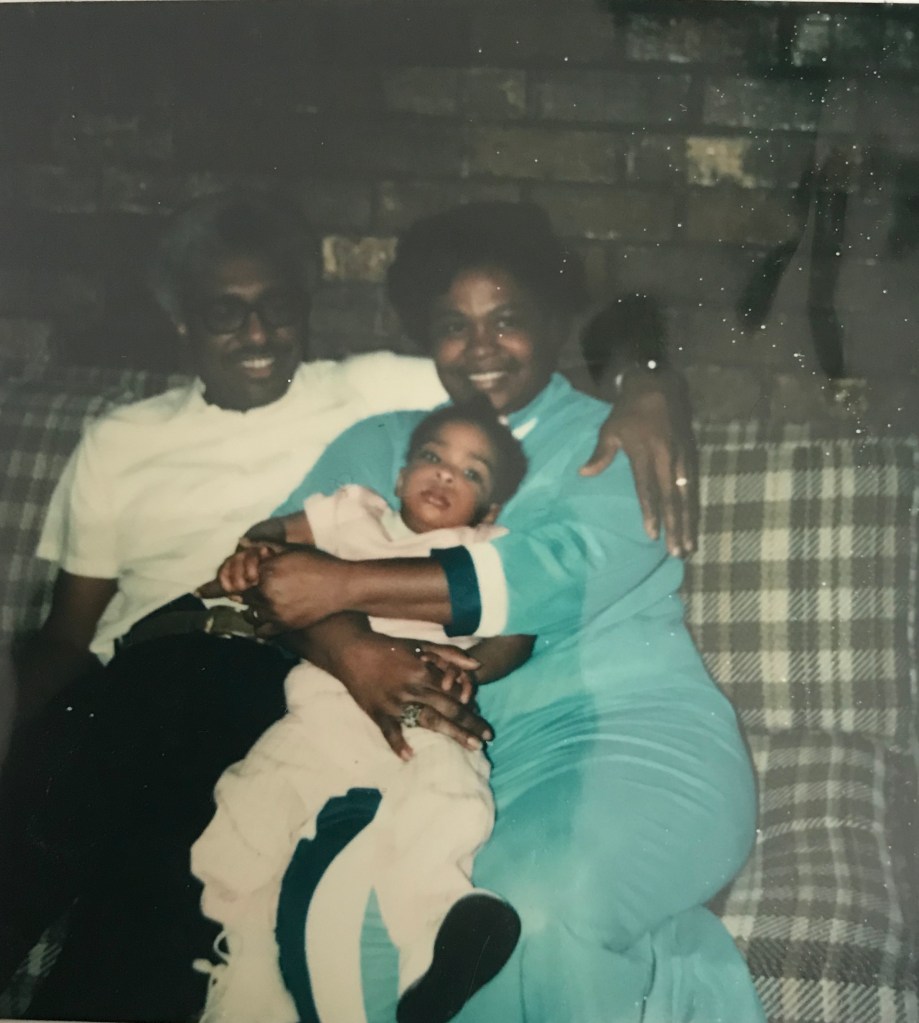
Once upon a cold Sunday morning, a beautiful girl-child would be born. It snowed for the first time that year on her birthday, making for a picture-perfect wintry scene. Laying in a hospital bed, under rosy pink bed sheets, Mommy laid all tucked in and warm. When it was time for the little princess to be born, the doctors came in, opened Mommyโ€™s tummy, and gently lifted her up and out of the womb. Mommy and Daddy were so proud of their perfect baby girl and beamed when they admired her every little detail. She had all her fingers and toes and weighed 8 pounds and 11 ounces. Mommy said, โ€œOh Bob, she has your hair.โ€  Then they passed her on to the family friends who came by to witness the birth of this little girl-child. One of those gentlemen held her and commented, โ€œShe looks just like a little Indian!โ€ and then the baby sneezed on him. Mommy had to stay in the hospital longer than was necessary for her youngest daughter, so she spent time recovering in the hospital holding her newborn and feeding her from a bottle.

At the end of their story โ€“ along with the embellishments from my very active, creative, and detailed imagination โ€“ I felt like the entire world rejoiced at my presence. My youngest sister insisted that my birthday be celebrated separately from the Christmas holiday because I was born almost 2 weeks before Christmas. My youngest brother rescued me from all the love that just gushed out of my familyโ€™s hearts in the form of hugs and kisses when my introverted self could take no more. And I had made life special for everyone because they had been blessed with the opportunity to spoil me. There is no way I could feel that way except that my parents made me feel that way โ€“ because the story I just told you was loosely based on short answers given to an inquisitive child.

As an adult I heard other events of that day and better understand some of the details. Snow in Memphis wasnโ€™t exactly uncommon in that time, but snow in Memphis was seldom a Winter Wonderland. And if it was, the whole city shut down and that would be a major inconvenience in trying to get to and from the hospital. I was a rather large baby and it would be dangerous for Mommy to give birth naturally so she needed a c-section. And since they recommended the c-section, she decided it was time to officially close shop and have those tubes tied. Have you seen the way doctors yank babies from their mothersโ€™ wombs during a c-section? I have. Itโ€™s not glorious nor gentle. Mommy was on morphine for pain after her surgery. She said it made everything beautiful. One time while feeding me from a bottle, she fell asleep. When she woke up, I wasnโ€™t there. She very nervously looked over the sides of the bed to see if I had fallen to the floor โ€“ and I guess died if I wasnโ€™t crying, right? But then the nurse brought me back and fussed at Mommy (gently) for falling asleep with me in her arms, telling her to be sure to call the nurse if she felt sleepy while holding me. And when the doctors asked if she wanted a prescription for the morphine when she was released, she refused it. Because it made everything so beautiful she decided it was dangerous and didnโ€™t want to risk a habit forming. And my sister, the one so insistent about how I should be treated, was looking for her boyfriend who happened to be in the hospital while I was being born. I have never heard a thing about what my brother was doing on that day. His recollection of my going to him to get away from everyone else was likely after I was walking โ€“ or at least crawling โ€“ because, though precocious and smart, I donโ€™t believe I was able to communicate a need to be taken to my brother to be left unbothered the day I was born. I was swollen on my birthday and Mommy was disappointed that whoever was involved in having my picture taken at the hospital didnโ€™t lift me up high enough for my eyes to open more โ€“ they had to know I was swollen and if I was to have a good picture, I needed to be arranged properly.

All the characters in this story. This is posted without their permission so don’t tell them.

The โ€œrealโ€ story isnโ€™t exactly like a picture book tale, but itโ€™s still beautiful. The most important part of that story isnโ€™t in the details of either version. My parents loved me. And I knew it without any shadow of a doubt. That love would take me through the years that Mommy was not present because she suffered from undiagnosed depression. That love carried me through the years that my father abandoned me emotionally because of a mistake he made when trying to give me what he thought I needed. That love is why I know when someone is lying to me about love or being manipulative citing love as the reason for bad behavior. I know real and true love. And because I have known it forever, I have no idea how to explain it. In all my relationships, despite any personโ€™s missteps, I know what it feels like to be loved and I reject anything less from those who proclaim love.

I am Regina Lynette. My parents loved me. (I use past tense because they are both deceased.)

10 Min Read, Donna Maria Thomas-Walker, Parenting

I am Regina Lynette. People used to call me healthy.

The first time I heard the word โ€œhealthyโ€ as one of my identifiers, it was at the pediatricianโ€™s office. The nurse couldnโ€™t lift me up on the table and said, โ€œOoh! Sheโ€™s healthy!โ€ in a very perky everything-will-be-okay voice. She found a step stool so I could climb on the table, and I did so with ease and plenty of side-eye. That nurse truly offended pre-school me.

I remember vividly thinking she was so rude, and I was wondering why she didnโ€™t already have the step stool at the table โ€“ where it had always been anyway because I was always already on the table even though everybody else in that office could pick me up to put me on the table. And I thought it was ridiculous for her, a medical professional, to use the word โ€œhealthyโ€ when she so obviously meant the opposite. (Itโ€™s fun for me to recall my thoughts from before the age of five. They are just flashes, but I was a wonderfully precocious child โ€“ much to the dismay of all the adults in my life.)

I would go on to be called healthy by a myriad of characters, major and minor, in my life story. I can remember visiting with my childhood best friendโ€™s extended family and hearing many versions of, โ€œOoh! She healthy! You sure you donโ€™t want some more white rice with margarine butter and sugar on it?โ€ usually in that sugar-sweet-southern-black-Grandma tone of voice. I was the healthy one and my friend was called skinny, and unfortunately neither of us was celebrated for our sizes.

My childhood BFFโ€™s family offended elementary school me. I remember thinking it was incredibly rude to call me fat โ€“ because letโ€™s be honest, thatโ€™s what it was โ€“ and then decide I must need more food than my friend, not the same amount and not less.

As an adult looking back on white rice with butter and sugar, I shake my head when I think of the poison that she was putting down my throat. Okay, maybe not quite poison, but Iโ€™m melodramatic and a bit in my feelings right now so Iโ€™m sticking to poison. Among the recollections I have around my being healthy fat include being told that I was too heavy for my father to pick up and the cause of his hernia surgery, hearing as part of my birth story  that my size as a fetus was so dangerous to my mother that a c-section birth was required, and having to wear Pretty Plus clothing sizes.

Before I was officially in Pretty Plus clothing sizes, I was close in size to a childhood friend – two years older than me – who was the daughter of one of my motherโ€™s work friends. They would go to a store on their lunch break and buy bags full of matching clothes for us to wear. We tried them on and our mothers would return whatever didnโ€™t fit. Thankfully our entire wardrobe didnโ€™t match but only because we didnโ€™t have identical bodies and different items were returned. That would take me to the most memorable moment of feeling like a fat child and the first time I almost lost my whole life.

There was a dress, I called it the American Flag dress because it was white with red stripes and a blue sash, that both my childhood friend and I owned. We wore it at the same time like Bobbsey twins and continued to grow, as little girls are prone to do. One day I could no longer fit into the dress, but my friendโ€™s still fit her perfectly.

This was taken on my ninth birthday. My friend is wearing the American Flag dress after I couldn’t fit into mine anymore.

One very dreadful day, Mommy gave some sort of lecture about how my friend could still get into her dress as if I should be ashamed that I couldnโ€™t get into mine. I donโ€™t remember everything she said, just the way it made me feel, but I distinctly remember what I said. It was only one word, but it was full of tone and sass and attitude and exasperation โ€“ โ€œAnd?โ€ The look in Mommyโ€™s eyes when she turned her head to look this child dead in her eyes to be sure it was really the one she gave birth to who dared to get smart-mouthed with her. She made eye contact and confirmed that it was indeed her own daughter who dared to utter that word in that tone to her own mother and the room grew very cold. One word almost cost me my whole entire life. My heart is pounding in my chest at the memory. I stammered, โ€œAnd… that’s good for her. I mean, I โ€ฆ uh โ€ฆโ€ and finally I just gave in โ€“ โ€œIโ€™m sorry Mama. I didnโ€™t mean it.โ€ Because there was no fixing the obvious stank in my response. And once she turned back to whatever she was doing โ€“ I think folding the dress to give it away โ€“ I ran out of the room and stayed away from her until she looked and sounded like Mommy again.

From the perspective of an adult who can hold two seemingly contradicting truths in her mind at the same time, there was absolutely nothing I could say or do particularly at that age to change the fact that I couldnโ€™t fit into that dress anymore. And the only thing I could have done to change the fact that my friend still fit into hers was to destroy her dress (I didnโ€™t). But silence would have been 100% better and more respectful than โ€œand?โ€ as in โ€œwhat you want me to do about it?โ€

I know that I wouldnโ€™t have told that story about the dress if Mommy was still living. Iโ€™m not a parent, but I know that no mother would want to know that her actions or words were heartbreaking to her child. And for all my parentsโ€™ flaws and imperfections, I know without a doubt that I was loved and loved unconditionally. Iโ€™m blessed to have been born at a time when they were at their best as parents โ€“ a benefit of being a โ€œpleasant surpriseโ€ well after they both thought they were finished with their โ€œmultiply the earthโ€ duties. So just in case you are judging Mommy, please reconsider (and donโ€™t you dare tell me, โ€˜cause them is fightinโ€™ words).

There are many photos of me as a child from the first one in the hospital when I was born to my senior heads in photo albums and boxes. For years I have looked at those pictures and saw a fat girl. But about seven years ago, I really looked at those pictures and wondered what people were talking about โ€“ there was no fat girl in those pictures. I had a big ole butt and that was the reason I had to wear Pretty Plus clothes โ€“ I just needed room in the hips. I had a big ole butt that astonished grown folks and it was the topic of so much conversation, talking about me in front of my face when it should have been behind my back (or not at all but people arenโ€™t flawless).

I had a big ole butt and shouldnโ€™t have been picked up so much after I started walking. I had a big ole butt that all my childhood friends wanted in middle and high school and I would have gladly passed it on to them all. And I grew relatively fast โ€“ everyone thought I was going to be tall. I am 5โ€™4โ€ so not quite tall.

And what breaks my heart most of all is that I believed I was a fat girl and that there wasnโ€™t anything I could do to change it โ€“ no diets, no exercise ever got rid of my big ole butt. And then one day as a young adult I saw I had what I called โ€œfat girlโ€ knees. Shirts were tight on the arms. I couldnโ€™t find pants that fit over everything unless they were two sizes too big. Skirts hung high on my butt and dipped low in the front. And I remember the day I had to start shopping in a different section of stores. I skipped all over Juniors which is where my friends shopped. When I saw that I was going to be a fat woman, I stopped trying to be anything else. This was not body acceptance. This is to say that I accepted what everyone else told me as a child that I would be – that I received all of those thoughtless comments and believed I had no other choice but to be a fat girl. I stopped exercising because I was only exercising to lose weight and I wasnโ€™t losing the weight I wanted. I stopped eating with intention and settled into eating for comfort because if I am going to weigh about the same eating kale everyday as I would eating lemon-pepper wings everyday, why not have the wings?

My name is Regina Lynette. People used to call me healthy.

10 Min Read, Bookish, Donna Maria Thomas-Walker

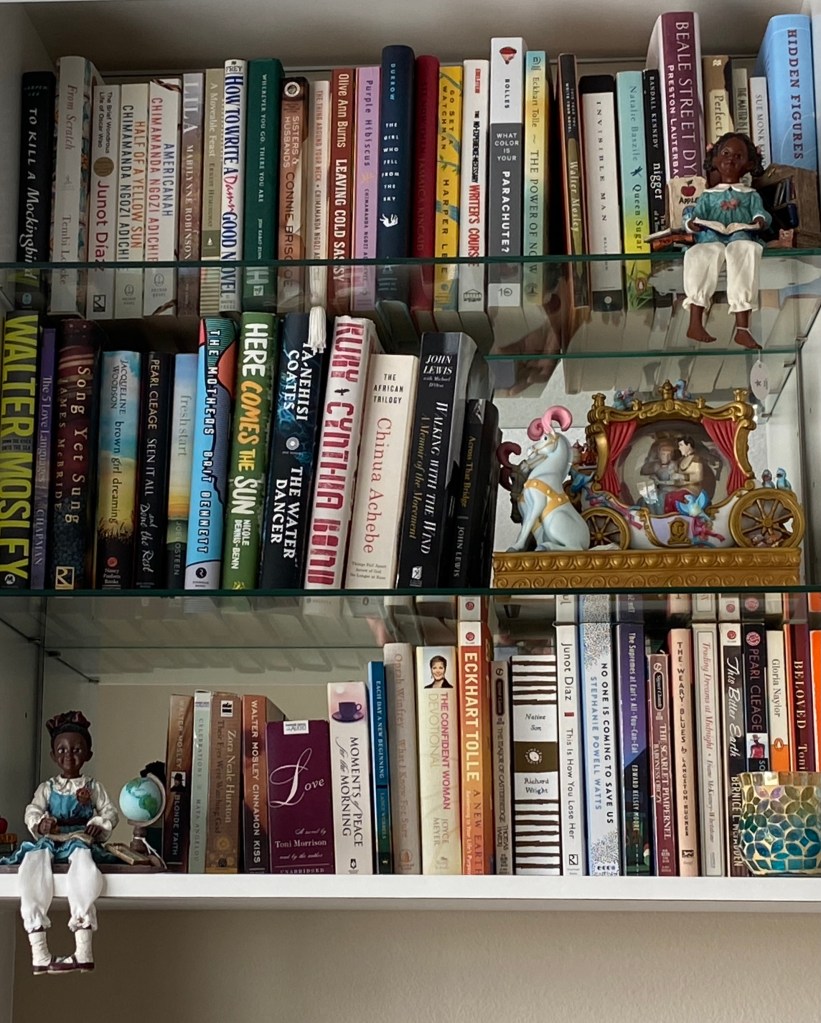
I am Regina Lynette. And I am a proud Book Lover.

I grew up in a family of readers. My parents invested heavily โ€“ with their own sweat equity โ€“ in my reading and education. I was reading by age three and no matter what word I was facing, they insisted that I knew how to read and refused to accept my asking what a word was or telling them I didnโ€™t know it. I began to believe them. I approached everything with the attitude that I knew how to read and therefore I knew how to read all the words. What they obviously wanted me to do was try on my own, develop my own understanding of phonics, and extrapolate my learning independently. Because when I read Chevrolet starting with a ch- like in cheese and ending with a hard t sound, they corrected me quickly with a laugh. And they corrected my mispronunciation of Arkansas โ€“ I just stuck an ar- sound in front of the Kansas – with a tone that I understood to communicate that they were proud of me.

I was in kindergarten the first time I saw any library. Once a week we went to the school library as a class to select a book to read for the week. Mommy was very excited by this prospect and when she asked me about my experience it was with the energy of a little girl opening a present on Christmas morning. She couldnโ€™t wait to hear about it and to see the book I selected and expected to be bathed in a euphoria of hope for her child. Unfortunately, she was very disappointed. I explained to her that we were assigned a table with about five children or so, that had a stack of five books or so in the middle to choose from. We could begin reading our books at the table and then weโ€™d do it all again the following week. Mommy was not only disappointed in the book I chose but in the whole system. But she figured if I selected the biggest and hardest book on the table, we could still get to whatever it was she expected would result from my reading and going to the library. That following week, she was more disappointed to see what the hardest book on the table was and gave me a new directive. I was to ask the librarian if I could select my own books from the shelves and this met with a quick no from the librarian. I wonder if itโ€™s important to note that the first time I saw the quote โ€œIgnorance is blissโ€ was on a poster hanging on this librarianโ€™s desk. Anyway, Mommy took matters into her own hands that very evening โ€“ we went to the nearest public library to get my first library card.

The very beginnings of my bibliomania started the first day I entered a public library. The library was not far from our house, but we headed there with haste because they would be closing soon. The goal was to get a library card and then to learn how to pick books to read. Weโ€™d return the following Saturday to actually pick books. I have audibly gasped entering two buildings in my life. The second was in 2018 at Basilique Du Sacrรฉ-Cล“ur de Monmartre in Paris, France. The first was the Whitehaven Public Library in Memphis, Tennessee in 1981.

Iโ€™ll be describing my experience from the perspective of that five-year-old girl in 1981 entering her first public library going forward. Itโ€™s important that I explain that because if you know the Whitehaven Public Library (or ever visit it โ€“ if itโ€™s still there) you will be perplexed by my description.

When we flung open the doors to the library, I gasped in awe, and Mommy was so pleased. There were books EVERYWHERE! And there were people โ€“ and by people I mean children my age โ€“ looking at books and there were just so many! Who knew there were so many books in the world just for children? The sections for childrenโ€™s books seemed larger than the entirety of my school library. I was about to explode. Mommy calmed me and we walked over to the desk to request our library card. I couldnโ€™t look away from the world of books that was about to be all mine.

The second thing that happened that would change my life was Mommy asked that the library card be in my name. Oh that woman โ€“ actually both women, my Mommy and the librarian โ€“ became good fairies when they insisted I have my own library card. I never had anything in my own name before and surely this thing would give me immeasurable power. And then she took us on a tour to show me all the sections of books that were available to me. All three of us beamed that evening.

I got my card and I couldnโ€™t resist taking a few books home so I filled my arms as quickly as I could until Mommy stopped me and we checked out. To my disbelief, I would have these books for what felt like an eternity. That these guardians of wonderful books trusted me to care for them, read them, and return them in that much time โ€“ I was dumbfounded. And a book enthusiast had found her happy place at just five years old.

Forget that little school library because it wasnโ€™t for people like me. It was for people who werenโ€™t as intimately involved with the written word as people like me and still needed to be gently introduced to the world of reading and of books. Iโ€™d also found my people and the best part about my fellow bibliophiles was that there was no age restriction in this group. For the first time in my life children were regarded with the same respect as adults and I felt empowered.

The last time I visited the Whitehaven Public Library was while in high school. I felt like there was barely room for three books and it looked quite small and sad. I stopped going inside because I didnโ€™t want it to lose the grandeur Iโ€™d projected onto it as a five-year-old. And it will forever be sacred to me.

I am Regina Lynette. I am a book lover.

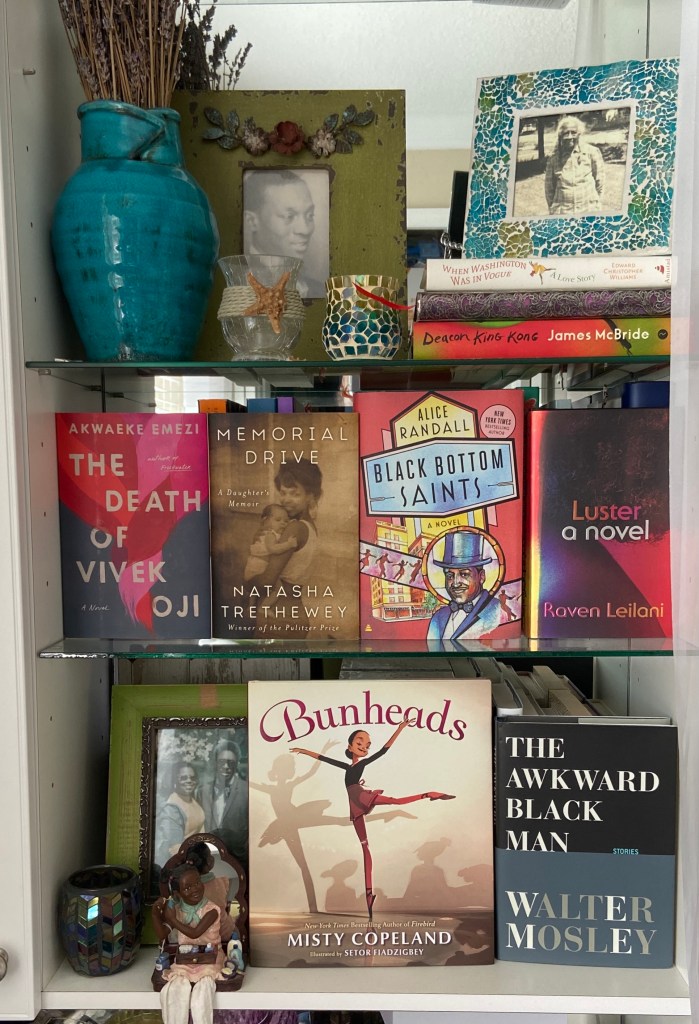
* I’ve curated a Bookshop storefront where you can shop titles from my shelves. Click the Bookshop link above or click HERE to see the books I’ve purchased and read for 2020. I am an affiliate of Bookshop.org and I will earn a commission if you click through and make a purchase.