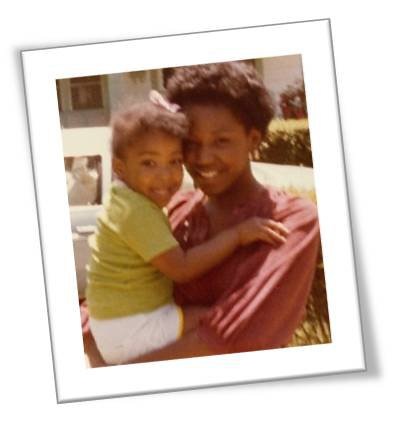
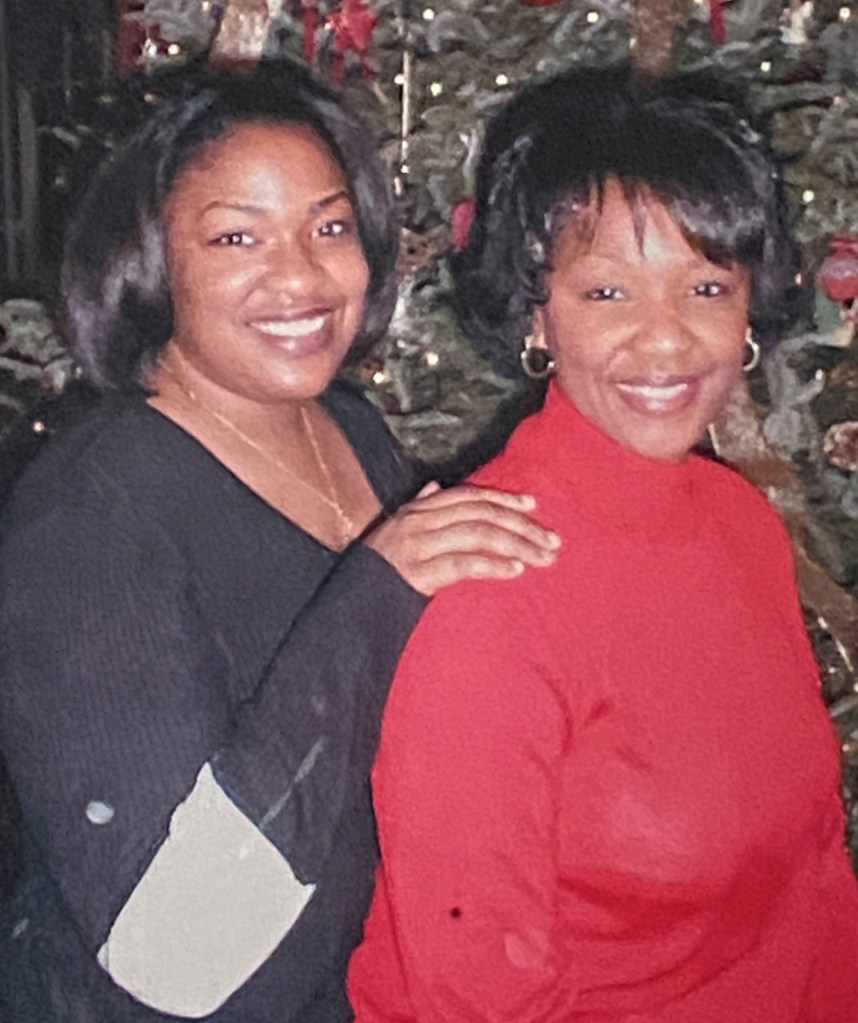
The women in my life during those tender years when a baby girl starts imagining what she will become when she’s older were my mother and her second child (Sissy). Mommy was 34 years old when I was born, and I was her third child. And in the end she found I had stolen her girlish figure and threw it in the trash when she wasn’t looking. To little girls imagining what she will become when she’s older, a person who hates her own body is not the person you want to become. So this little girl looked to her older sister.
Sissy was 14 years old when I was born. And what I didn’t know then but would soon realize, God didn’t design me to be my sister’s twin. And to make sure I was never confused about His intention, in His infinite wisdom and with His ultimate creative self He made us opposites in nearly every way but gender and race.
Me and Sissy
When I could see that I was already “curvier” than Sissy somewhere around age 5 (19 for her) I wanted to start dieting. Mommy was forever on a diet so I wanted to get started early so I could make sure I grew up to look like Sissy and not Mommy. Well, I don’t know what you tell a mother who understands exactly why her 5-year-old little girl wants to diet – the world was still calling her “healthy” – and also knows that it’s completely unreasonable for her 5-year-old little girl to go on a diet. It would take a couple years but unfortunately, Mommy eventually gave me her blessing and we dieted together well before my first signs of puberty. She was careful to monitor my dieting and modified it according to whatever standards she thought best and we added intentional exercise to the regular roller skating, bike riding, and running I did while playing with my friends. And I always managed to lose some weight but never in the places I wanted and never enough to keep me from being called “healthy”.
Me and Sissy
God was also constantly reminding me that I was not created in the image of Sissy. To really hammer it in that I was not her twin, He showed me just how different we would forever be. She was pregnant when I was 12 years old. In her early pregnancy, you know those weeks where your clothes are just starting not to fit but you’re not quite ready for maternity wear, was the first step toward my resignation of my fat-girl destiny. My clothes were the clothes she borrowed when her own were too tight. In case you didn’t catch it, at 12 years old, my 26-year-old pregnant sister needed to borrow my clothes. My 12-year-old clothes were maternity clothes for my 26-year-old sister. I blamed this one on God even though I was angry at the entire world around me. It just wasn’t fair.
Me and Sissy
Just before I went away to college I weighed myself and started accepting my fate as a fat-girl with less anger. I was what I judged too close to my father’s weight at the time. And then my only goal became to always weigh less than he – a man 4 inches taller than me and slim with long limbs. The day I outweighed him, I went to the “fat-girl” shops to find something large enough to drape my sow-shaped body and found little solace in the fact that the smallest sizes were too large. I was struggling to find my size – how could I be fat at Lerner New York and skinny at Lane Bryant? I couldn’t understand it and hated my body more. I resorted to what I’d done my entire life – diet and exercise and lose a few pounds, giving up after not losing enough weight and not in the right places.
Me and Sissy
I would repeat this cycle until 7 years ago when I just gave up. I don’t imagine I’ve given up forever, but I am still stuck in the give up. Just before I gave up I had lost over 40 pounds and was very excited about my progress. The first blow was that my bloodwork didn’t show enough improvement to match the effort I was putting in. The second blow was when I looked back on some photos of me as a kid and I didn’t see a fat girl looking back at me. I felt betrayed by all the people who had called me “healthy” when I was a perfectly average little girl. It was enough to push me over the edge into a depression that would take nearly a year to climb out of (with medication and talk therapy) having regained all but ten pounds of the weight I’d lost.
Me and Sissy
I had always believed that I was a fat girl. But I also had always been told (and believed) that I could fight it and become what I’d always wanted anyway – slim. And I am not sure if we’re in the middle of that story or the end.
I am a Fat Woman. And I don’t love that Fat Woman.
After my mother died my father remarried. He was looking for a way out of a financial bind and a new mother for me – or a way to not be alone because he knew I wanted to live with one of my sisters. So, my father made a mistake and he married an abusive witch who made my life, our lives, hell until we escaped. I left for college; he left for heaven. The last five years before I graduated high school was not only a hell created and maintained by my step-monster, but my father emotionally abandoned me at the same time. His abandon was driven by many things, mostly those pesky good intentions, but mainly by my step-monster’s “rules”. I was not allowed to talk with my father alone. Ever. And that was one thing he and I had my entire life – time alone together for philosophical conversations, even as a very young child. I tried to hold on to the fact that my father loved me during this time but many of his behaviors did not demonstrate love. However, on the other side of that period of time it would turn out to be the knowledge that he loved me that would facilitate the healing of my broken heart.
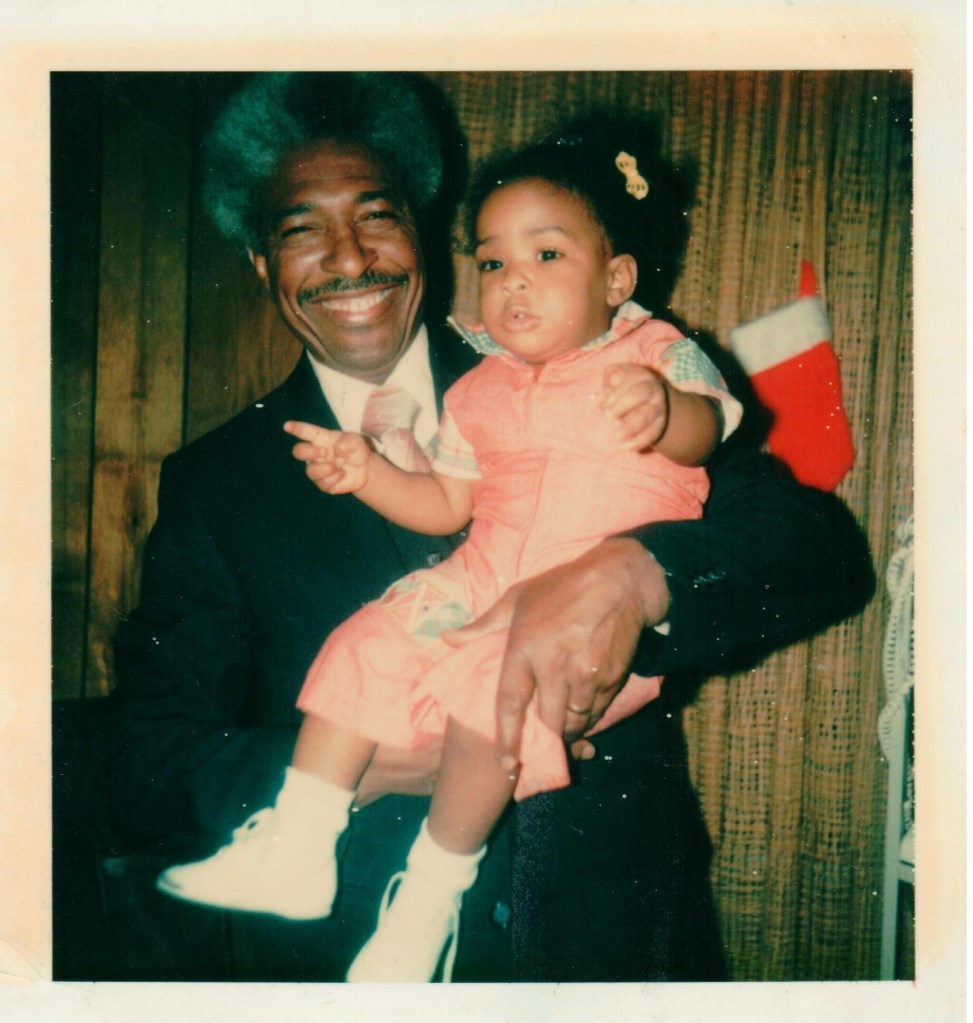
Tell me that old man doesn’t adore that little girl! That’s me on my first birthday in my Daddy’s arms.
I went to university in another city and only visited him once a year and only at our church building. I refused to return to that witch’s house ever again after I left town hours after high school graduation. Then he was diagnosed with lymphoma. I can’t remember any details of that except I kept up to date with his progress through my sister – his oldest daughter – and I was able to talk to him on the phone occasionally. Even though I’d prayed for his healing and elicited prayers from my Watch-Care church, I prepared myself for his death. He was in his late 70s living with an inhumane abusive human, trying to help pastor a church while our pastor was in jail. I found a level of resolution and peace about his death, which would possibly happen during critical classes in my final year, and would alert my professors and the dean that I might miss a week of classes with little notice should he die.
Because my father was old and ill (he was healed of the cancer, but his body was worn out from the chemo) I went to visit him over Christmas break during my last year in school. Unfortunately this meant I had to go into the step-monster’s house and she had the nerve to try and keep me away from him – I’d had a lingering cough from pneumonia but was well. She and I almost fought, physically, twice during that short visit. But it was during that visit, he and I finally and truly reconciled. We shared a few poignant moments that I am very grateful for because that was the last time I would see him alive.
Before going to New Nonconnah Missionary Baptist Church in Memphis one cold Easter Sunday morning.
That Valentine’s Day, a Monday, was an early day in my teaching schedule – I had to get up about 5AM to be sure to arrive at school in time. After I finished my shower, still standing in my robe, I saw my answering machine flashing. My heart fell. No one would call me at that hour unless it was horrible news. I listened to the message hoping the person would have left the details of the call in the message but they didn’t. It was my sister – my father’s oldest daughter – telling me to call her as soon as possible. That could only mean that something had happened to Daddy. I thought to take a moment and calm my breathing, maybe get dressed to feel less vulnerable but I couldn’t wait to hear the bad news. She spoke with nervous energy and asked an odd question – she asked if I knew why she was calling. I suppose someone else should have called me first because someone called her to tell her what she called to relay. But no one had called and I didn’t expect anyone to call me with any news about Daddy but her. And I really wanted her to get to the point. I told her I assumed it was something about Daddy and she told me that he’d died about an hour or two before she called.
I told her I needed to get to the school but to let me know as soon as anyone decided on a date for the funeral so I could alert the dean and try to work something out to be at the funeral and to graduate on time. I didn’t really cry – a few tears made their way through but I didn’t give in to the urge to cry. I had business to take care of, like figuring out how to get to a funeral and back to class within the allowed days of absence required to pass. I couldn’t break down – be non-functional – so I didn’t allow grief to set in.
I went to school and told the lead teachers that my father had died that morning and that I would need to speak with the dean when she arrived. The dean’s son was in my class and one of my assigned students to monitor development (no pressure, right) so I would see her when she dropped him off. One of the lead teachers interrupted me just after I said the words that my father had died and unofficially suggested I be allowed more time off and still be allowed to graduate on time. She gave me the standard 5 days that the employed teachers received as a part of their benefits and I was so grateful. I asked to stay and finish that day because I had no idea when the funeral would be. You see, there are many things that can delay a funeral in the Black American culture and I was the only black person in my whole major at that school. I hoped they were ready back home and could pull it off within that week but I didn’t know.
Because that day was so exhausting emotionally, and I was developing some weird nervous ticks, I started my 5 days leave the next day, that Tuesday. I still hadn’t really cried and was making my heart harder by the minute. My friends indulged me – I sort of lived those days in a weird haze, both wanting people to know my father was gone and not wanting anyone to say anything that would make me cry. And I took phone calls from various loved ones in Memphis annoyed by the fact checking of all the scandals – not only was I entirely uninterested in the drama I’d left behind for school, but I was the only person not living there so why would I know the answer to any of those questions? But I suppose that is a part of it all – what secrets did they know that I didn’t and vice versa. Anyway, not quite soon enough, I was on my way to say farewell to my father.
Again, I was everyone’s concern, just as I was when my mother died. But I vowed to do some things differently with his death. I wouldn’t wait on the adults to figure out what they were going to do about me. I would take care of myself as much as I could.
I refused to be a part of the funeral procession because I’d learned to hate limos since the first time I rode in one was on the way to my mother’s funeral. I’d always hated following hearses and didn’t want a police escort. I didn’t want to ride with headlights on. So I stayed with my father’s oldest daughter and went to the funeral with her promise to be my shield, allowing me to manage the funeral just as I wanted to. I also refused to view the body. That was the best choice I ever made – the last memory I have of him was us sitting together and laughing, having dinner. I have absolutely no memory of him dead and I’m glad. But this refusal meant I would not go into the church until the family processioned in because the service started with the casket open. My father’s oldest daughter, all of his children in fact, were near the back of the procession. That was not where we were supposed to be but it demonstrates just how my step-monster tore us apart. Thankfully my father’s siblings and some cousins were near the front. Some of them thought it was inappropriate that they sat in front of us but I didn’t care. I only wanted family up there and not just church folk holding step-monster up. In fact, they didn’t even know I was there until I went to speak on behalf of the family. Yes, I was on the program. No, none of the people who wrote the program told me. These were also people who claimed to be unable to find a phone number to call me and let me know my father had died. My sister let me know I was on program, thankfully, and I was able to prepare.
The funeral was not until the following Saturday, and he wasn’t buried until the following Tuesday. I returned to school that Sunday, missing the burial. I had a degree to get and no more grant and scholarship money. I managed to only need a loan for a semester and a half and I would be damned if I had to repeat a semester for a burial service. And honestly, I believe my father would have understood and even encouraged me to get my degree under those circumstances. I’ve always felt that the burial was the worst part of any funeral – dropping the body of your loved ones into freshly dug ground feels cruel. That’s not particularly logical, I know, but it’s how I feel.
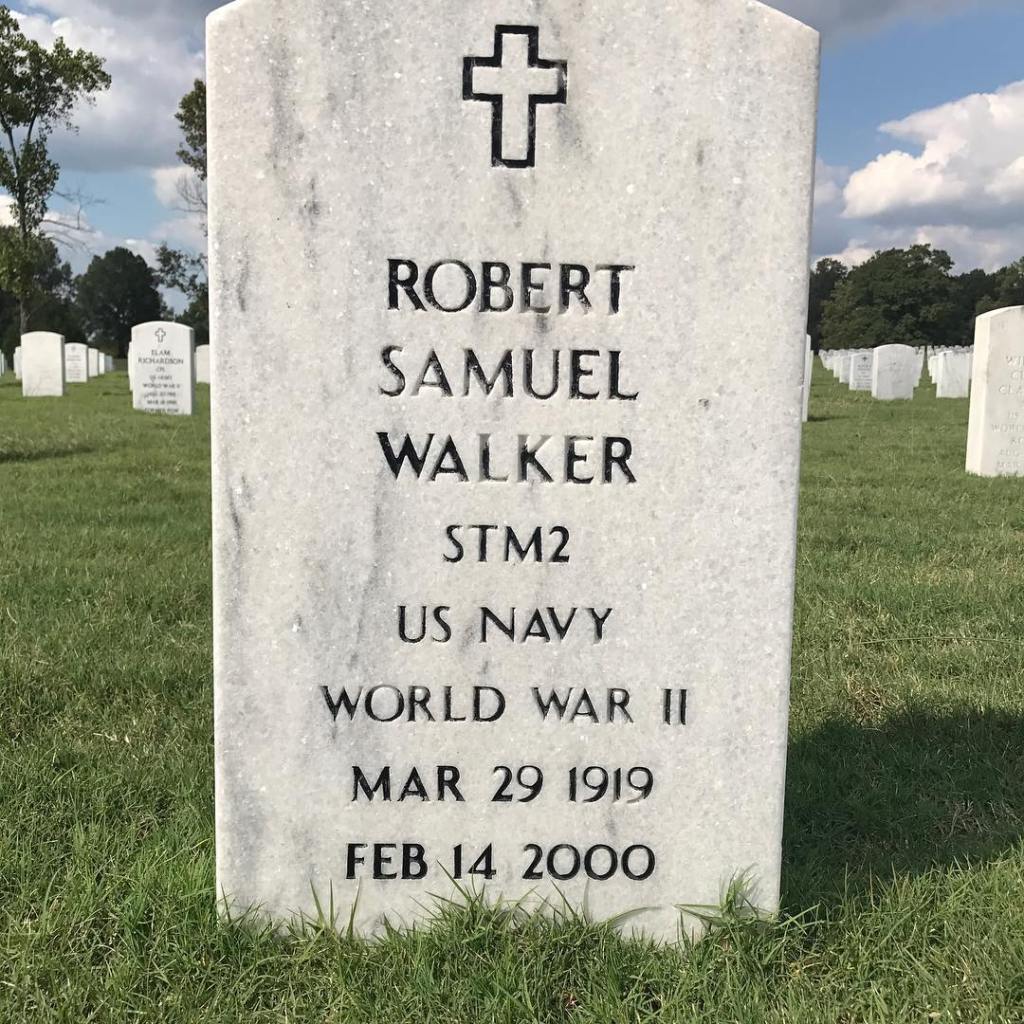
It would be more than 17 years before I went to the cemetery where my father was laid to rest. I felt so much peace.
The first Valentine’s Day after he died I was furious and found myself feeling that way every Valentine’s Day after that. I thought I’d handled the situation well but in reality there was still a bunch of feelings just swept under the carpet. The refusal to grieve my father until I got my degree really meant refusal to grieve for much longer than that. The reminder that the ex who I’d once dreamed of marrying was not the right guy – he called the day Daddy died, not to offer condolences but to seek sympathy for the “saddest Valentine’s Day of his life”. The inappropriate men taking advantage of my vulnerability by hitting on me at the funeral and during the repast. The guilt I felt for having essentially abandoned much of my family simply by trying to abandon my father and step-monster. And I never knew I hated Valentine’s Day until then.
Men coming out of the grocery store with bouquets, heart-shaped candy boxes, and pink and red balloons pissed me off. And I wasn’t quite sure why. High schoolers getting on buses with giant teddy bears pissed me off. And I wasn’t quite sure why. I asked myself if it was because I didn’t have a “valentine” that day but that didn’t ring true to my emotions. Valentine’s day had never been a big deal to me and I had never received anything that felt significant from any boyfriend I’d had on valentine’s day. Even my secret admirer valentine’s day gifts were blah – I would have preferred to know who the admirer was rather than have a secret gift. So I blamed it on my Daddy’s death. It was easy to do – after all, he died on Valentine’s Day.
When I was young Valentine’s Day meant cardboard valentine’s cards, candy, and a day at school that ended with a party or a dance. Then as a young adult Valentine’s Day meant my daddy died. But now as a not-as-young adult, Valentine’s Day doesn’t mean anything at all. You know how I know? I literally forgot all about it. I didn’t send out social media greetings in memory of my father. I didn’t send any gifts to family or friends nearby. I didn’t even send myself flowers or buy any candy. When was it, Sunday? Yeah, just a regular old day.
I used to like February 14th. Then I didn’t. Now it’s not so bad.
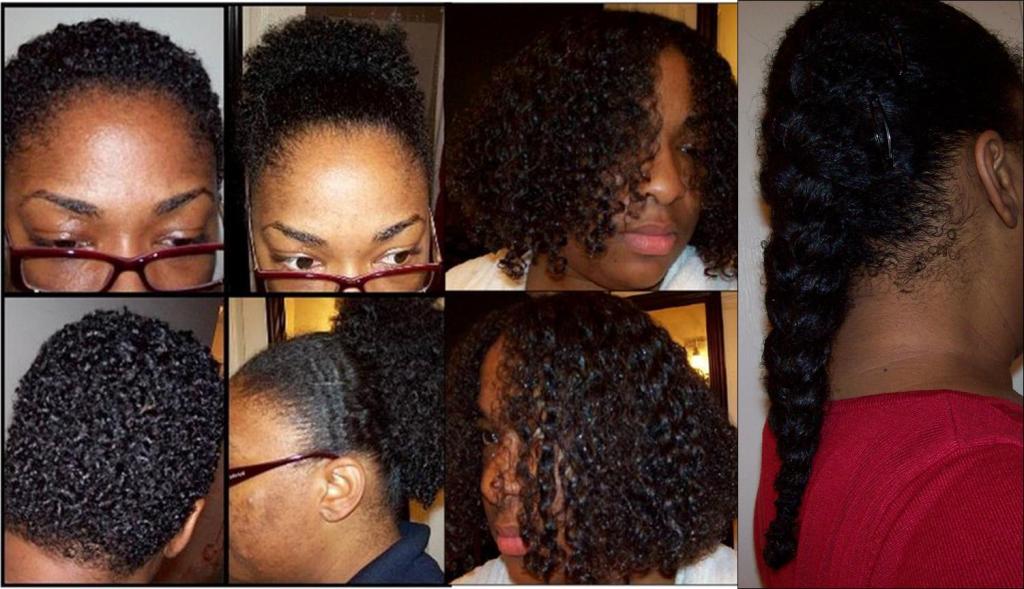
I can provide you a list of people who would disagree, some vehemently, that my hair is unspectacular. I can provide you a list of people who would agree with that statement. I like my hair. It’s coarse and curly, oily yet non-porous, and it is soft and shiny. It’s thick and grows relatively quickly with little breakage and requires very little product to do what it wants to do – which is be free.
The first thing said about my hair was when I was born and Mommy said to Daddy, “Oh, Bob, she has your hair.” She was happy that I had hair like the Walker side of my family because she found it beautiful. Based on my paternal grandmother and her children and grandchildren, our hair is coarse but soft to the touch; it’s curly when we’re younger and loosens into waves when older; we begin to gray young (usually stark white); and men keep it short while women keep it long (unofficial rules). My mother’s hair was very coarse and relatively thick. Her hair started turning gray at a relatively young age – she kept it colored so I don’t know when it started. And she kept it short – above the shoulder – and kept going shorter. I don’t know the reason behind the length, so I don’t know if it had anything to do with the hair growth itself.
Just months old, Mama had to tape ribbons in my hair – no velcro available in my day.
I’m grateful that the combination of my genes totals what I have today. Daddy would tell me how pretty my hair was first thing in the morning, before it had been combed and styled for the day. I asked him what he meant because my hair was wild and fuzzy, and he said that the hair in and of itself was what he found beautiful. Mommy would style it in plaits or ring curls, and I was to show it off to Daddy when she was done for him to say how pretty it was, loud enough for her to hear. People at church made complimenting my hair a part of the greeting. And whenever my kiddie hairstyle wasn’t quite what someone expected, it was voiced, quite pointedly, that Mommy needed to go back to the standard plaits or ring curls and never waiver again. And what I learned in third grade was that the plaits were supposed to be free to swing. My assistant principal asked if my mom tied my plaits together in the back because she didn’t want them to fly away when really they were connected because it required finding fewer matching barrettes. He was being silly but the element of truth in his joke was that he noticed I’d been wearing the same style a very long time and felt the need to comment. And the culmination of years of peoples’ opinions during my childhood taught me that my hair was part of my overall value.
Ring curls for Easter Sunday – EVERY Easter Sunday
I was not allowed to cut my hair before I turned 18. And when I turned 18, I cut my hair into a chin length bob. I cried. I loved it but I couldn’t stand looking at all the hair that was piled on the floor. And I didn’t touch it much at first – it was so strange not to have enough hair to pull into a ponytail. My stylist wouldn’t do the cut until she received express approval from Daddy. I tried for years to convince a stylist into cutting my hair and just risking whatever punishment I might get but not one of them would do it. And he gave approval because it was promised, not because he thought cutting my hair was okay. And while it wasn’t specifically stated that bob was truly the shortest I would have been allowed to go.
Cutting my hair then, for me, was about looking more mature. I thought a ponytail was for the young. Cutting my hair then, to Daddy, was part of my “wandering spirit”. It was something to experience because I could, and he fully believed I would prefer to return to wearing my hair long. Cutting my hair to this one old lady from my church was a sin and I was on my way to hell along with my parents who allowed it and my stylist who did it. Cutting my hair to other people was wrong because there are women in the world who cannot grow their hair long.
A chin-length bob has always been the shortest length acceptable to Daddy and many of his relatives.
As an adult, I took interest in learning to take care of my hair so that I would have the freedom to wear it however I felt. In college I considered going relaxer-free for the first time. I did it without any education or planning so it wasn’t successful. When I started transitioning, I wore my hair in two braids a lot and sometimes in a bun. After giving up and getting a relaxer touch-up because I truly had no direction, I was scolded for having waited so long before getting a relaxer and was told to never do that again. After trying different cuts and different hair colors I hit a sweet spot with tri-color highlights and long layers on relaxed hair. I was so excited to have found what I judged the perfect style. Unfortunately, it was not maintained by the perfect stylist and a combination of too many chemicals and trying to exercise outdoors in triple-digit temps with no hat created breakage in my crown. Breakage in the crown meant a significant cut so I took some time to figure out what I wanted to do.
A timely visit to my father’s family made me wonder if I had what they had – I’d worn my hair chemically straightened since I was nine so I didn’t know what my curls or waves would look like twenty years later. So I decided to cut off all the chemically treated hair and go completely natural. I literally went to three shops, including a barber shop, and literally no one would cut my hair. I didn’t necessarily want a particular style, I just didn’t want it to look like it was cut with safety scissors and edged with a butter knife. And they all refused. I made my way to a natural hair salon and during my consultation she told me that the front of my hair should grow a little longer for the cut to look good and to wait three or four months before cutting. I kept it in a protective style for those months and I did the big chop as soon as I could. I had a teeny-weeny afro with tighter curls than I imagined, and I absolutely loved what was on my head. And I learned how to take care of it, and I focused on the care and treatment of my hair intensely. I didn’t necessarily show off my new cut – especially to my father’s family – because I wasn’t interested in anyone’s opinion. But that doesn’t stop people from saying what they want to say. I was told that it was unattractive and to never cut it that short again by relatives on both sides. I was told by people I worked with that it made me look thinner. And I was approached everywhere I went by other black women who asked me about my stylist and products I used.
The first four years chemical free starting with my Big Chop. I didn’t even put any heat on it during that time other than a blow-out in the first year for trimming and to check out my ‘fro.
Cutting my hair then for me was a change I made primarily because it was damaged, and I wanted to try something new. Cutting my hair then for my relatives was just a temporary solution to a problem and something to endure until it was long and straight again. Cutting my hair then for “society” was a statement of my blackness and my woman-ness and my American-ness. I wish I could have photographed the faces of all the people who had made various assumptions about me based on my hair the moment they learned they had me all wrong. And it’s funny that out of all the misconceptions, no one had the same misconception. Cutting my hair then had nothing to do with me as a person. It was the first time I didn’t think my hair was part of my overall value and I was irritated when other people continued to push that message (and burden) onto me.
Along the way, in addition to releasing the idea that my hair was somehow associated with my value as a person, I realized the significance of changing your hair after certain life events. I know there are many cultures who cut their hair after deaths and other losses and to symbolize new beginnings of all kinds. I was only ever advised to never cut my hair. No one told me that the urge to cut that man out of my hair after a breakup was primal and a wonderful release. And when I gave in to that urge, just wow! And no one told me that the urge to go red was a sign of strength – whether you are strong or need to be strong, red hair can embolden you for anything that comes your way. After I graduated college, my sister called me “Rebel Gina” because I was angry and saying “no” to everything I’d ever been taught in life. The hair during that time? Short, red, and wild.
This is NOT “Rebel Gina” but this is a short and red phase of life. It just so happens I regretted this cut myself, but I loved the color.
But just like when I was looking for that fat girl in old childhood pictures, I looked for the girl whose hair was supposedly spectacular. I looked for the girl who was identified in a crowd because of her hair. I searched out the girl who was somehow made better because she had something regarded unique on her head. And all I can see is that there were many other people around me who had hair that was significantly more spectacular than mine. I saw nothing particularly special about my hair. And I have the courage to admit it, the freedom to accept it – my hair is utterly unspectacular. But I understand that when it’s viewed through the lenses of others who don’t have the same kind of flexibility of styling that my coarse, curly, shiny, graying hair allows me that it appears to have some additional value. I no longer internalize that view because it says nothing about me and everything about them. My hair is not a part of what makes me valuable and I’d go as far as to say my hair has nothing to do with my identity. Sure, I can see where I inherited what I have from my ancestors, but apart from genetics, it has nothing to do with my identity. I use it as an expression of something or an accessory sometimes but it’s no more spectacular than my earrings and graphic tees.
Fourth Grade, Oakshire Elementary School – Memphis, Tennessee
Thank you, everyone, who has complimented my hair. I feel good when you agree with me that what I have on my head allows me to be free. And it’s okay if you don’t like the style I’ve chosen – you don’t have to remind me of better styles or try to drill it in my head that you don’t like my choice. Sometimes I don’t like my choice either. All of that is good but there is no value, uniqueness, nor importance in my hair.
March 30, 2020 – Just before my city went to COVID related Safer-at-Home orders. And I miss my stylist!
I am Regina Lynette, the girl with unspectacular hair.
My parents met on my mother’s first day of work for the Lincoln American Life Insurance Company in Memphis, Tennessee, somewhere around 1965. The story of their first meeting – literally the first time they laid eyes on each other and spoke to one another – has a little bit of fame in my family. Eyebrows raise, smiles slide across faces, sometimes there’s a little side-eye or maybe a little sneer whenever The Elevator Story is mentioned. I am fuzzy on details and the order of events but basically, there was some flirting – Daddy was being a little mannish and Mommy was being a little fast – and then we jump to a courtship, marriage, and the pleasant surprise that was me.
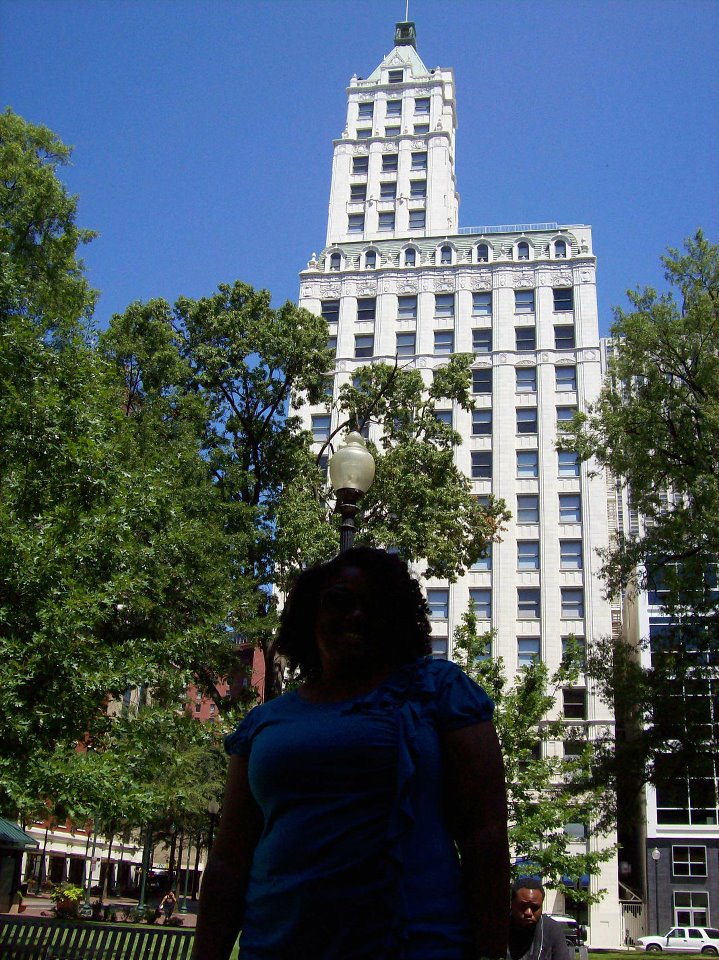
For me, my parents’ meet-cute is the height of romance. And I cannot tell you how happy I am that the building where they met has been declared an Historical Landmark and they have preserved the look of the elevator lobby. I feel like I get to go back to the moment in history where I first became a possibility whenever I want! For others, my parents’ meeting was not so much romantic as it was destructive.
My mother was the first Black woman hired in a professional position at Lincoln American. My father already worked there, but in a professional role. My father saw her in the lobby on her first day and got into the elevator with her. Some of the flirting involved my mother declaring that all the handsome men are already married when she noticed his wedding ring. I remember what my father’s response was to that but whatever it was, a relationship started pretty quickly between the two and the idea of his already being married became an inconvenience to deal with many years later.
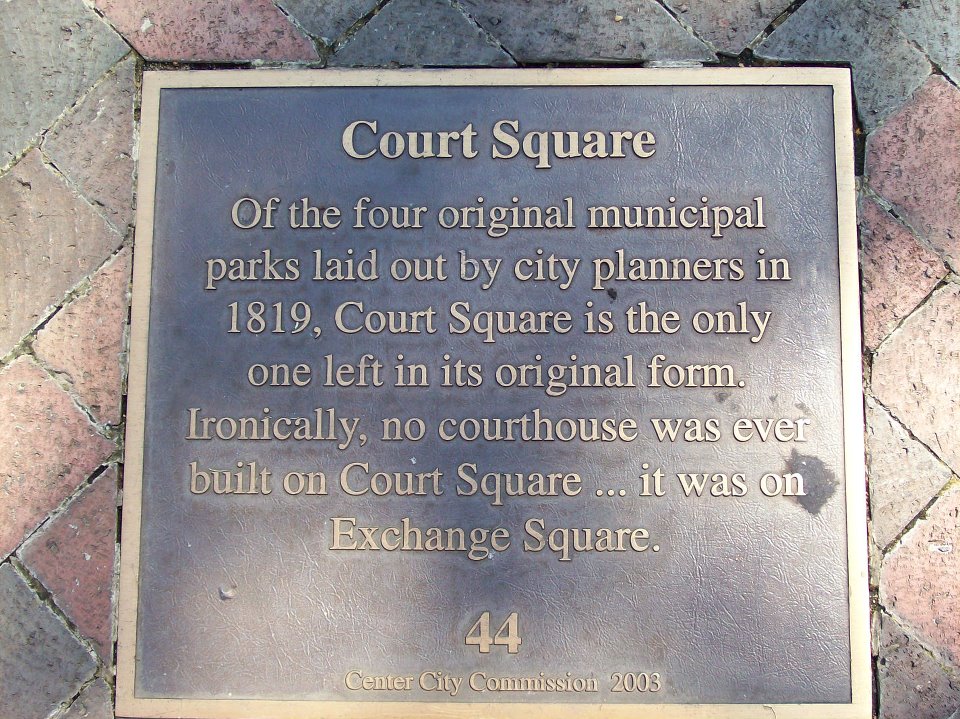
My parents worked together in the same building and saw each other on weekdays. They started spending lunch hours together and they were so in love they didn’t need food – they literally made out on a bench for their lunch hour somewhere around Court Square park. They wrote letters to each other that my father kept in a box that I was never allowed to see.
My father was diagnosed with colon cancer sometime during their on-again-off-again courtship. This marked a crossroads in my parents’ lives and is one of the milestones that affected their families’ lives. The short of it is that mommy was concerned for her man and wanted to be with him and take care of him while my father’s wife and children believed this was a time for family, of which she was not.
Somewhere in this mix other people became concerned when they knew my parents were pursuing a serious romantic relationship which was no secret to anyone after this event. My mother’s grandfather thought he was a dirty old man. Maybe because my father was closer in age to my great-grandfather than to my mother. Maybe because he was married with grown children, the oldest very close in age to my mother. My father’s church had reservations about his ministry, particularly with his choice to recuperate at home with my mother. Some of my father’s nephews and brothers were disappointed but were able to come around to his side very quickly.
But getting back to the fairy-tale, they had so much love between them that they shared a special hug and the love overflowed into a baby. Daddy had to get divorced and married pretty quickly. And on May 27, 1976, my mother went to work Donna Maria Thomas and returned from lunch as Donna Maria Walker. They went to the courthouse on their lunch hour and got married. They moved into a little red house in Whitehaven and had a little baby girl.
I’ve always believed my parents were soulmates. A lot of people think I feel that way because they were my parents. And several people cite the unhappy days of their marriage as proof they weren’t really in love. But I was there for the little things. It’s sometimes in the way a person says your name – that’s often the first time I realize when someone is in love. It’s always in the eyes – even when you are so pissed that you don’t want to look at them, when you lock eyes with your forever person, for a moment nothing else matters. And when you have so much love that it pours over and makes a baby, you spend time pointing out the things in that baby that belong to the both of you, admiring what your love has made. I believe that with therapy and patience everyone would have believed that they were truly meant to be just as I do.










 I am Regina Lynette