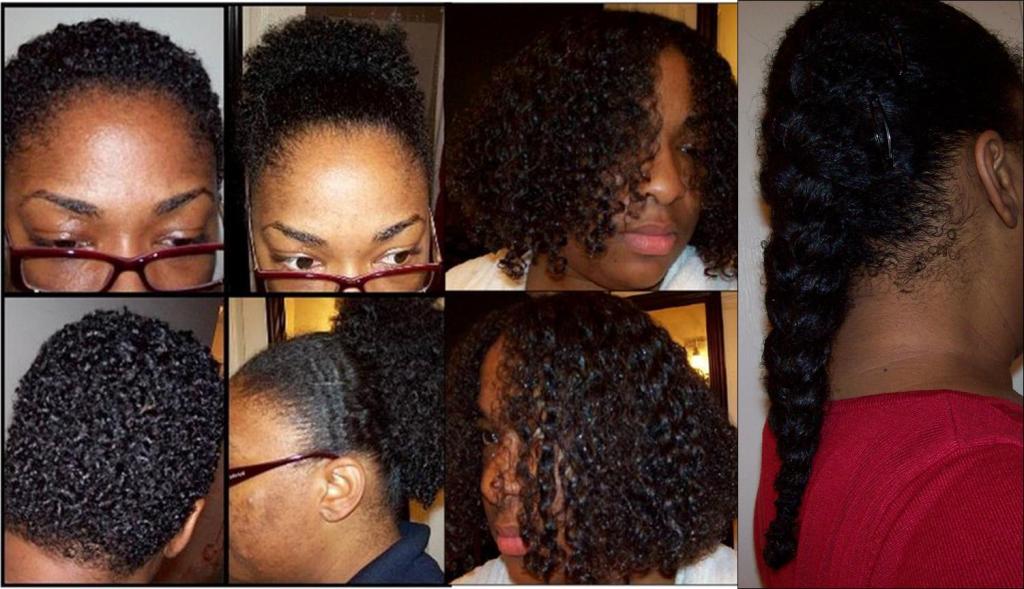
10 Min Read, Donna Maria Thomas-Walker, Family, Parenting, Relationships, Robert Samuel Walker, Smart and Pretty, What's In A Name?

I am Regina Lynette, daughter of Donna Maria.

In the year 1889 in the perfect month on the perfect day, Peoria was born in Arkansas. Twenty years after her birth in 1909 in the perfect month on the perfect day, Peoria gave birth to Odetta in Arkansas. While Odetta was yet 16 years old, she gave birth to Dorothy Lee on October 31, 1925 in Memphis, Tennessee. Dorothy Lee was also 16 years old when she gave birth to her daughter, Donna Maria on September 16, 1942 in Memphis, Tennessee. And when Donna Maria was in her 33rd year of life, she gave birth to me on December 12 in Memphis, Tennessee. I am Regina Lynette, daughter of Donna Maria, daughter of Dorothy Lee, daughter of Odetta, daughter of Peoria.
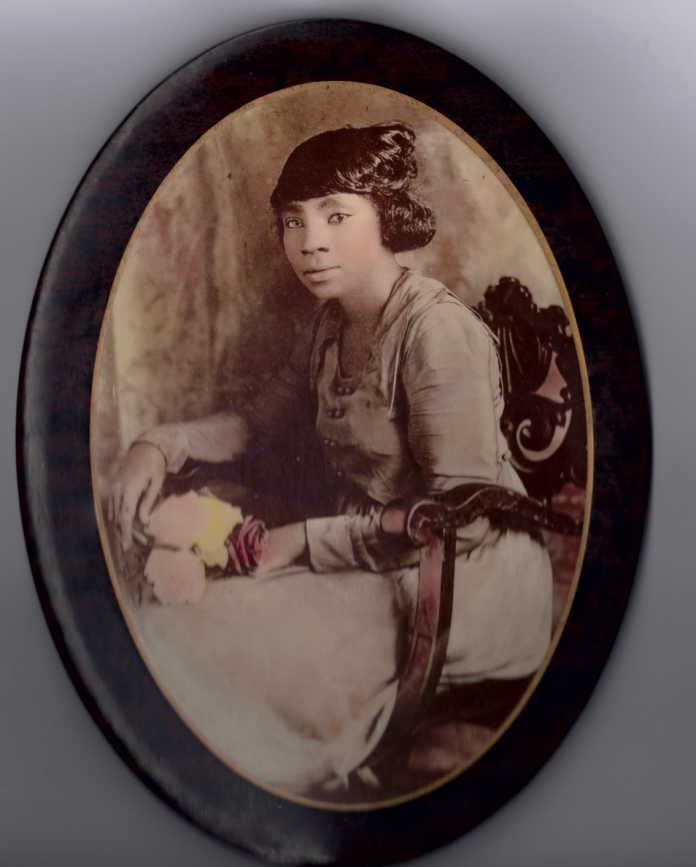
Peoria Cox {circa 1889 โ€“ December 10, 1945}; Mothers unkown

My mother told me who this was when I was a child, but I regrettably do not recall what she said. For many reasons, I have made a guess that this is Peoria. I have no way to know if thatโ€™s accurate but until I get different information, the person in this photo represents Peoria, my motherโ€™s great grandmother.โ€


Peoria, who gave birth at 20 years old to Odetta, lost that girlchild a mere 31 years later to apoplexy due to interstitial nephritis. Peoria was presumably involved in her granddaughter, Dorothy Leeโ€™s, life until her own death on December 10, 1945, of cerebral hemorrhage due to unknown causes. Peoria outlived her daughter โ€“ my mother often said that losing a child was the worst pain in the world so I declare that Peoria survived the worst pain that life could dish out. Dorothy Lee, who lost her mother at 14, gave birth 2 years later without her mother. I declare that Dorothy Leeโ€™s losing her mother as a young teenager was something incredibly difficult because losing my own mother as a young teenager was incredibly difficult. Donna Maria was born without a grandmother. She was but 3 when her great-grandmother died โ€“ who we only presume was involved in her life. But Donna Maria outlived her mother, Dorothy, who died of cancer while Donna was 42 years old. I would not know Peoria existed until I was an adult and even then, she was only a name in a baby book and on a death certificate. I did not know that Odetta Cox existed until I was in college and at that time she was only a name in an email provided through my uncle from a distant cousin, a name in a baby book and a name on a death certificate. I knew of Dorothy Lee but never met her before her death when I was 8 years old. I lost my mother from a heart attack about 5 years later, 2 weeks after my 13th birthday.
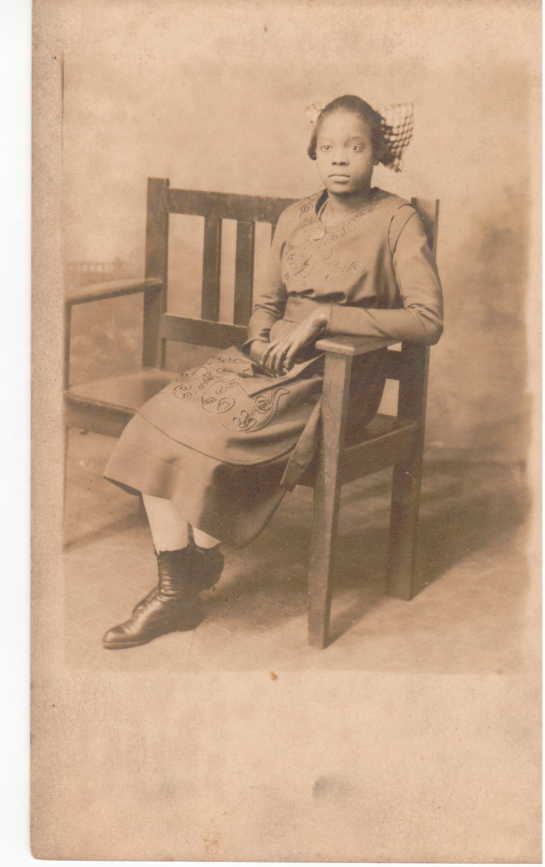
Odetta (Cox) Thomas {circa 1909 โ€“ March 24, 1940}; Daughter of Peoria Cox

I am not certain that this photo is my great-grandmother but based on a relatively reasonable deduction, I think this is Odetta.


My maternal ancestry can be traced back to the Bamileke (a corruption of the name) People of Cameroon and this has been guaranteed accurate from Odetta. Where did that heritage die out? Did Peoria โ€“ who is not guaranteed by our DNA testing to be from the Bamileke People of Cameroon – pass down any traditions, rituals or recipes to Odetta? Dorothy didnโ€™t live her entire childhood with Peoria and Odetta so would she even have been passed down anything of her maternal line? Was our heritage completely wiped out by the ins and outs of slavery leaving Dorothy, her mother and her grandmother to have little to pass on? I donโ€™t know. Iโ€™m left to put pieces together from birthdates, death certificates, and general world history. Peoria was born a free woman but her mother would have likely been born a slave and then freed by the time Odetta was born. I have no details for Peoriaโ€™s motherโ€™s history โ€“ not even Peoriaโ€™s maiden name. I am happy to know my mothersโ€™ names from my great-great grandmother. But I know very little about their gardens because 2 weeks after my 13th birthday, they were all gone.

How simple a thing it seems to me that to know ourselves as we are, we must know our mothersโ€™ names.

Alice Walker, O Magazine, May 2003

โ€œMamaโ€™s baby, daddyโ€™s maybeโ€ was not the prevalent pattern in my family. Hardy Cox was in his daughter, Odettaโ€™s, life. Rodney Thomas cared for his daughters after Odetta’s death as well as my mother, his granddaughter, and her children. While I donโ€™t know the story behind Warren Terryโ€™s absence in Donnaโ€™s life beyond the time he enlisted in the army during World War II, he was married to her mother and his family is mentioned as a part of her young life. And I was Robert Walker’s Daddyโ€™s Girl, identifying more with his side of the family than my motherโ€™s. In fact, most of what I know to be true and passed down in my family is from the men. Iโ€™m grateful for these men because I can attribute a lot of positive things from their influence. However, I really miss not knowing my maternal tribe.
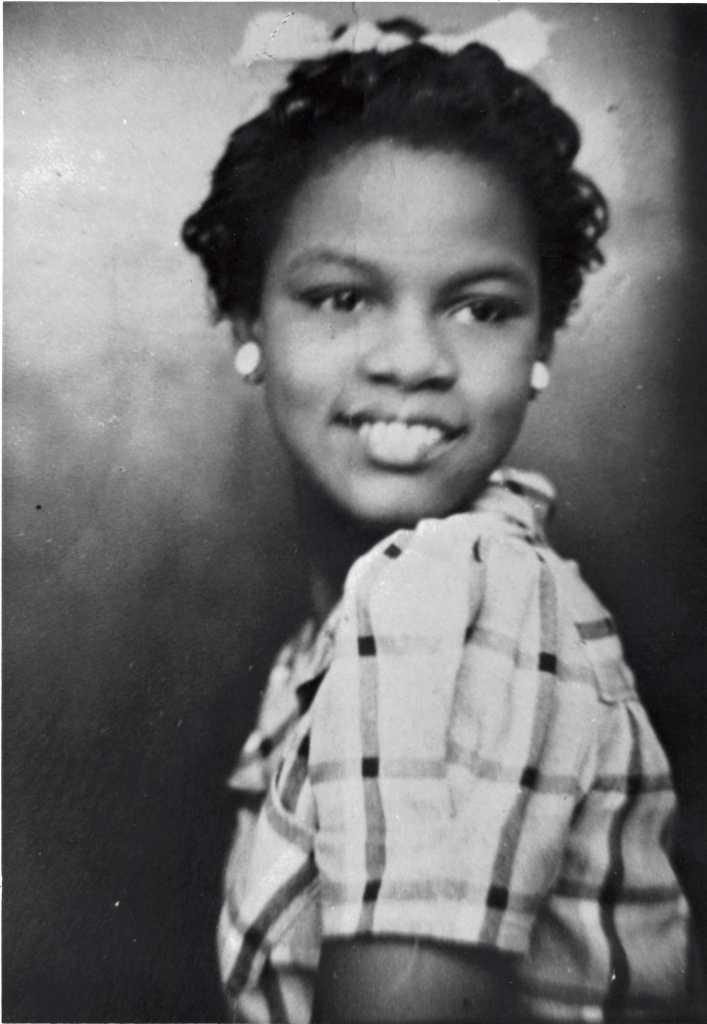
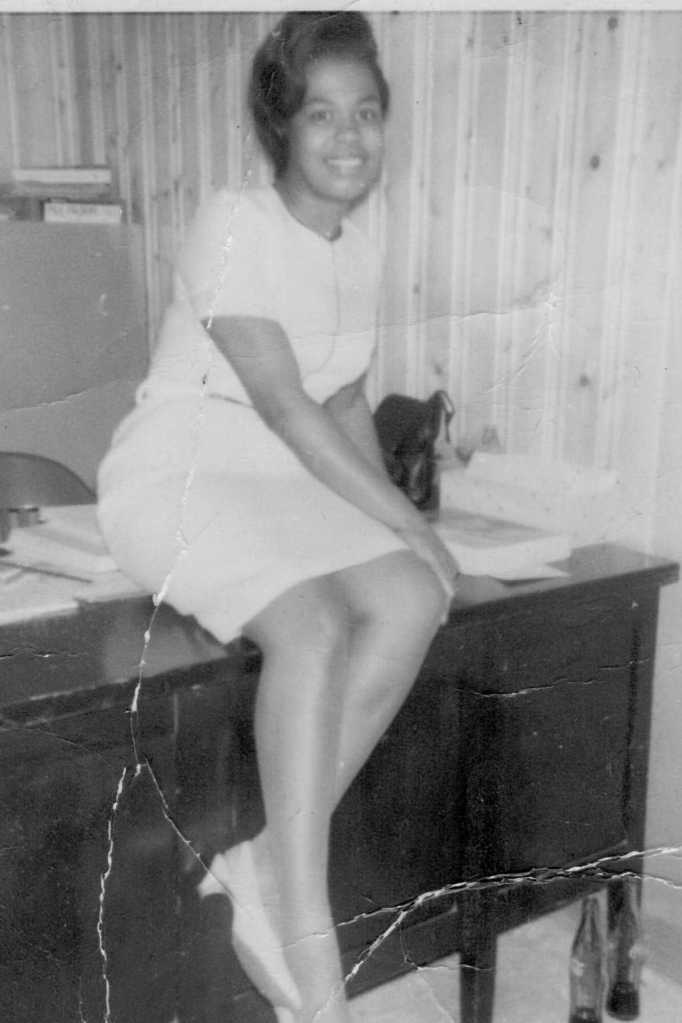
Dorothy Lee Thomas {October 31, 1925 โ€“ May 15, 1985}; daughter of Odetta (Cox) Thomas, daughter of Peoria Cox

This is a photo of Dorothy from high school. I have more recent photographs of her but she wrote notes on the backs of them stating that she looked horrible and was ill (or convalescing).


A few years ago I felt particularly lost and was looking to find myself in my family. Since I was nothing like my siblings and not a lot like my mother (other than sometimes my eyes and sometimes my smile), I looked to my fatherโ€™s family. I didnโ€™t find my face (other than my happiest smile), my body, nor my personality in any of them. Much later I caught a glimpse of myself (personality) in my motherโ€™s brother and I realized that I hadnโ€™t looked to find myself in my mothersโ€™ gardens. Iโ€™ve decided to use the photos in this entry to represent these mothers in my sacred space and I constantly look for myself in their eyes and faces and hands and hair.

Our mothers are our first homes, and thatโ€™s why weโ€™re always trying to return to them.

Michele Filgate, What My Mother and I Donโ€™t Talk About (Simon & Schuster, 2019)

One good thing about the deceased is that the rest of the generations to come have a chance to only know the best of that person. I donโ€™t mean that the bad goes away or that you shouldnโ€™t know the full history of a person โ€“ generational curses, ancestral rituals, as well as their life stories. I mean that when I tell stories about my parents, I tell the hard parts through a filter of both understanding and acceptance. Iโ€™ve had to forgive them for all of their mistakes. Iโ€™d begun the forgiveness process with Daddy before he died, thankfully, but I didnโ€™t realize I had to forgive my mother until she had been gone several years (and family secrets were revealed). I have tried to understand Dorothy as well when I hear hard things about her, often trying to guess what might have happened to her to cause poor behaviors. When my sisterโ€™s children indulge me and let me walk them around Memphis telling tales of our history, itโ€™s โ€œmy parents met in this lobby and it was love at first sightโ€ rather than โ€œmy Daddy was married and 24 years older than my Mommy when they started their affairโ€. Neither version is a secret and while both are true, one is more fun to talk about to the ones who didnโ€™t know them.

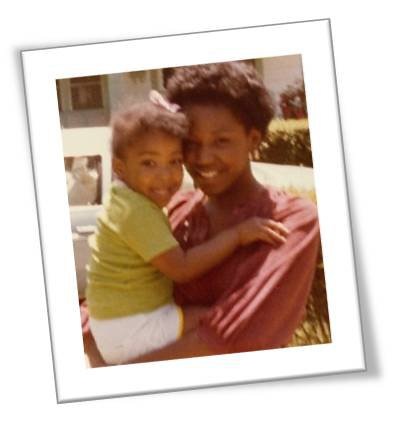
Donna Maria (Terry/Thomas) Walker {September 16, 1942 โ€“ December 26, 1989}; daughter of Dorothy Lee, daughter of Odetta, daughter of Peoria

Mommyโ€™s parents married a couple months after she was born and her maiden name on her birth certificate is Thomas (Dorothyโ€™s maiden name). However, I found a doodle from either Dorothy or Mommy that had Terry (Donnaโ€™s father) as her last name โ€“ kind of the way you doodle your own name with your crushโ€™s last name in your school notebooks.


So, while unfortunately I do not know of any remaining family who can share stories about my generations of mothers, I do get to put the pieces together guessing the best outcomes and I can channel my own femininity from common Bamileke/Cameroonian ancestral rituals and fill in the gaps with pieces of myself.
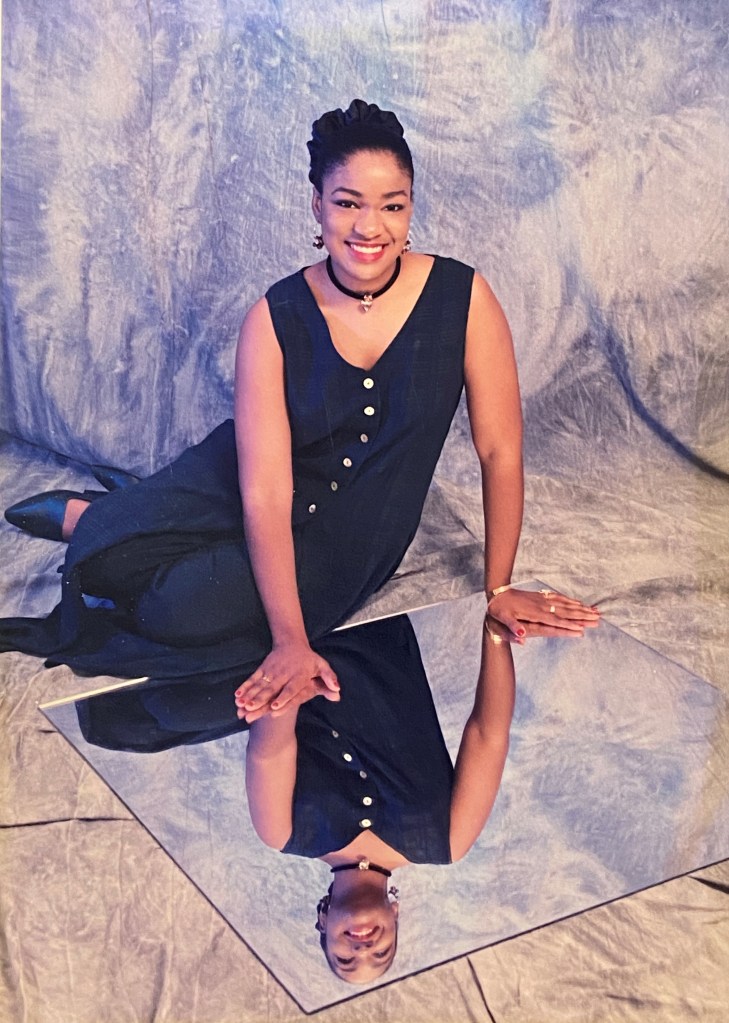
Regina Lynette Walker; daughter of Donna Maria, daughter of Dorothy Lee, daughter of Odetta, daughter of Peoria

I am Regina Lynette, daughter of Donna Maria, daughter of Dorothy Lee, daughter of Odetta, daughter of Peoria.

5 Min Read, Donna Maria Thomas-Walker, My Body, Parenting, Smart and Pretty, Why This Blog?

I absolutely hate having my photograph taken.

When I decided to explore my identity publicly via this blog I decided to include a photograph of myself with each post. This makes me extremely uncomfortable but I thought it was an important part of my identity โ€“ the entire topic of the blog. And I believed it would be a way to become more comfortable with my appearance and photographs.

I didnโ€™t always hate having my picture taken. When I was a kid I photo-bombed as much as possible before it was a thing. I can remember actually crying real tears when Mommy was taking pictures of someone outside in the backyard and wouldnโ€™t take one of me. She had one shot left on the roll of film when she finished and allowed me to pose. Did she save me the last one? Was it by chance? All of that is irrelevant because I loved the photo in my sundress, arms up and out (which seems to be my favorite pose, even now).

Above: Some of my favorite photo bombs – back when you didn’t know what you had for weeks while you waited for your film to be developed. My height worked against me but I still tried to get in there.

Below: I managed to dry those tears real quick, throw my hands in the air and work the camera.

Mommy’s insistence that I smile a certain way and pose a certain way grew old. School photos became a source of mild anxiety. If my hair was not the same as it was when I left the house that morning she didnโ€™t understand why my teachers didnโ€™t fix it. If I didnโ€™t smile quite right she didnโ€™t understand why I made that face. If flaws were shown โ€“ snaggle teeth or squinty eyes โ€“ she told me what I needed to do to correct or hide them. It sounds horrible, and it felt that way, but I do understand fully what she was trying to do. You had one shot to get a beautiful picture when using film and she believed I was beautiful. She just wanted the camera to capture what she saw.

Then as I gained weight and became a fat woman, I hated documenting that in pictures. And when I lost weight I still saw that fat woman in photographs and that was usually the end of whatever diet I was trying because why work hard if I couldnโ€™t achieve what I wanted. And today I hate to wear makeup having struggled with acne since Iโ€™m 9, contact lenses mostly because pollen and an astigmatism, and anything other than destructed denim and graphic tees for comfort. I wear sneakers everyday and fight to cover my fast-growing gray hair that cruelly started along my hairline, impossible to disguise. I donโ€™t like taking pictures, but I take them for one reason only โ€“ family memories. Mommy reached a point in life where she hated having her picture taken, too, and we regret not having enough photos of her to show people documentation of our memories. I know that photos are your source of remembering life events and that itโ€™s important to have them no matter what you look like at the time.

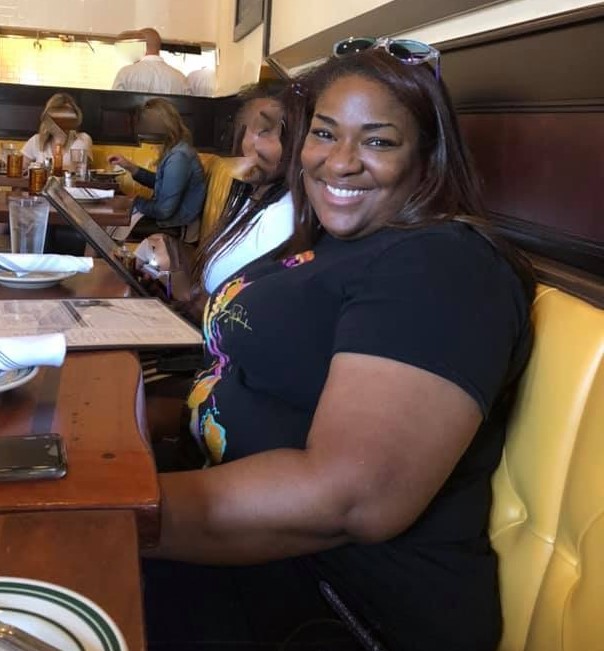
After seeing this photo, I was literally disgusted at the sight of myself. But I didn’t demand a re-take because we were making travel memories (a family member is the blurred and deleted image beside me). And no re-takes were going to make me look smaller. And I was already convinced I could never look better.

I hope to stop avoiding the camera during this phase of peeling back the layers to expose my true self. I hope that I can ignore whatever I consider flawed and begin to embrace the things that are the charm of me. And I hope that I can look back on photos and remember the joy of celebrations, the enlightenment of travels, and the love among loved ones and close ones. For now, the way that I am working on that is by posting as many photographs as I can find and take of myself (click here for the gallery updated often) while I talk about who I truly am as a whole person. It won’t be me in every post but I’ll make a significant appearance.

5 Min Read, Brothers And Sisters, Donna Maria Thomas-Walker, Mental Health, My Body, Parenting, Robert Samuel Walker, Smart and Pretty

I am a Fat Woman. And I donโ€™t love that Fat Woman.

The women in my life during those tender years when a baby girl starts imagining what she will become when sheโ€™s older were my mother and her second child (Sissy). Mommy was 34 years old when I was born, and I was her third child. And in the end she found I had stolen her girlish figure and threw it in the trash when she wasnโ€™t looking. To little girls imagining what she will become when sheโ€™s older, a person who hates her own body is not the person you want to become. So this little girl looked to her older sister.

Sissy was 14 years old when I was born. And what I didnโ€™t know then but would soon realize, God didnโ€™t design me to be my sisterโ€™s twin. And to make sure I was never confused about His intention, in His infinite wisdom and with His ultimate creative self He made us opposites in nearly every way but gender and race.

Me and Sissy

When I could see that I was already โ€œcurvierโ€ than Sissy somewhere around age 5 (19 for her) I wanted to start dieting. Mommy was forever on a diet so I wanted to get started early so I could make sure I grew up to look like Sissy and not Mommy. Well, I donโ€™t know what you tell a mother who understands exactly why her 5-year-old little girl wants to diet โ€“ the world was still calling her โ€œhealthyโ€ โ€“ and also knows that itโ€™s completely unreasonable for her 5-year-old little girl to go on a diet. It would take a couple years but unfortunately, Mommy eventually gave me her blessing and we dieted together well before my first signs of puberty. She was careful to monitor my dieting and modified it according to whatever standards she thought best and we added intentional exercise to the regular roller skating, bike riding, and running I did while playing with my friends. And I always managed to lose some weight but never in the places I wanted and never enough to keep me from being called โ€œhealthyโ€.

Me and Sissy

God was also constantly reminding me that I was not created in the image of Sissy. To really hammer it in that I was not her twin, He showed me just how different we would forever be. She was pregnant when I was 12 years old. In her early pregnancy, you know those weeks where your clothes are just starting not to fit but youโ€™re not quite ready for maternity wear, was the first step toward my resignation of my fat-girl destiny. My clothes were the clothes she borrowed when her own were too tight. In case you didnโ€™t catch it, at 12 years old, my 26-year-old pregnant sister needed to borrow my clothes. My 12-year-old clothes were maternity clothes for my 26-year-old sister. I blamed this one on God even though I was angry at the entire world around me. It just wasnโ€™t fair.

Me and Sissy

Just before I went away to college I weighed myself and started accepting my fate as a fat-girl with less anger. I was what I judged too close to my fatherโ€™s weight at the time. And then my only goal became to always weigh less than he โ€“ a man 4 inches taller than me and slim with long limbs. The day I outweighed him, I went to the โ€œfat-girlโ€ shops to find something large enough to drape my sow-shaped body and found little solace in the fact that the smallest sizes were too large. I was struggling to find my size โ€“ how could I be fat at Lerner New York and skinny at Lane Bryant? I couldnโ€™t understand it and hated my body more. I resorted to what Iโ€™d done my entire life โ€“ diet and exercise and lose a few pounds, giving up after not losing enough weight and not in the right places.

Me and Sissy

I would repeat this cycle until 7 years ago when I just gave up. I donโ€™t imagine Iโ€™ve given up forever, but I am still stuck in the give up. Just before I gave up I had lost over 40 pounds and was very excited about my progress. The first blow was that my bloodwork didnโ€™t show enough improvement to match the effort I was putting in. The second blow was when I looked back on some photos of me as a kid and I didnโ€™t see a fat girl looking back at me. I felt betrayed by all the people who had called me โ€œhealthyโ€ when I was a perfectly average little girl. It was enough to push me over the edge into a depression that would take nearly a year to climb out of (with medication and talk therapy) having regained all but ten pounds of the weight Iโ€™d lost.

Me and Sissy

I had always believed that I was a fat girl. But I also had always been told (and believed) that I could fight it and become what Iโ€™d always wanted anyway โ€“ slim. And I am not sure if weโ€™re in the middle of that story or the end.

I am a Fat Woman. And I donโ€™t love that Fat Woman.

10 Min Read, COVID, Donna Maria Thomas-Walker, I Am Not My Hair, Robert Samuel Walker, Smart and Pretty

I am Regina Lynette, the girl with unspectacular hair.

I can provide you a list of people who would disagree, some vehemently, that my hair is unspectacular. I can provide you a list of people who would agree with that statement. I like my hair. Itโ€™s coarse and curly, oily yet non-porous, and it is soft and shiny. Itโ€™s thick and grows relatively quickly with little breakage and requires very little product to do what it wants to do โ€“ which is be free.

The first thing said about my hair was when I was born and Mommy said to Daddy, โ€œOh, Bob, she has your hair.โ€ She was happy that I had hair like the Walker side of my family because she found it beautiful. Based on my paternal grandmother and her children and grandchildren, our hair is coarse but soft to the touch; itโ€™s curly when weโ€™re younger and loosens into waves when older; we begin to gray young (usually stark white); and men keep it short while women keep it long (unofficial rules). My motherโ€™s hair was very coarse and relatively thick. Her hair started turning gray at a relatively young age โ€“ she kept it colored so I donโ€™t know when it started. And she kept it short โ€“ above the shoulder โ€“ and kept going shorter. I donโ€™t know the reason behind the length, so I donโ€™t know if it had anything to do with the hair growth itself.

Just months old, Mama had to tape ribbons in my hair – no velcro available in my day.

Iโ€™m grateful that the combination of my genes totals what I have today. Daddy would tell me how pretty my hair was first thing in the morning, before it had been combed and styled for the day. I asked him what he meant because my hair was wild and fuzzy, and he said that the hair in and of itself was what he found beautiful. Mommy would style it in plaits or ring curls, and I was to show it off to Daddy when she was done for him to say how pretty it was, loud enough for her to hear. People at church made complimenting my hair a part of the greeting. And whenever my kiddie hairstyle wasnโ€™t quite what someone expected, it was voiced, quite pointedly, that Mommy needed to go back to the standard plaits or ring curls and never waiver again. And what I learned in third grade was that the plaits were supposed to be free to swing. My assistant principal asked if my mom tied my plaits together in the back because she didnโ€™t want them to fly away when really they were connected because it required finding fewer matching barrettes. He was being silly but the element of truth in his joke was that he noticed Iโ€™d been wearing the same style a very long time and felt the need to comment. And the culmination of years of peoplesโ€™ opinions during my childhood taught me that my hair was part of my overall value.

Ring curls for Easter Sunday – EVERY Easter Sunday

I was not allowed to cut my hair before I turned 18. And when I turned 18, I cut my hair into a chin length bob. I cried. I loved it but I couldnโ€™t stand looking at all the hair that was piled on the floor. And I didnโ€™t touch it much at first โ€“ it was so strange not to have enough hair to pull into a ponytail. My stylist wouldnโ€™t do the cut until she received express approval from Daddy. I tried for years to convince a stylist into cutting my hair and just risking whatever punishment I might get but not one of them would do it. And he gave approval because it was promised, not because he thought cutting my hair was okay. And while it wasnโ€™t specifically stated that bob was truly the shortest I would have been allowed to go.

Cutting my hair then, for me, was about looking more mature. I thought a ponytail was for the young. Cutting my hair then, to Daddy, was part of my โ€œwandering spiritโ€. It was something to experience because I could, and he fully believed I would prefer to return to wearing my hair long. Cutting my hair to this one old lady from my church was a sin and I was on my way to hell along with my parents who allowed it and my stylist who did it. Cutting my hair to other people was wrong because there are women in the world who cannot grow their hair long.

A chin-length bob has always been the shortest length acceptable to Daddy and many of his relatives.

As an adult, I took interest in learning to take care of my hair so that I would have the freedom to wear it however I felt. In college I considered going relaxer-free for the first time. I did it without any education or planning so it wasnโ€™t successful. When I started transitioning, I wore my hair in two braids a lot and sometimes in a bun. After giving up and getting a relaxer touch-up because I truly had no direction, I was scolded for having waited so long before getting a relaxer and was told to never do that again. After trying different cuts and different hair colors I hit a sweet spot with tri-color highlights and long layers on relaxed hair. I was so excited to have found what I judged the perfect style. Unfortunately, it was not maintained by the perfect stylist and a combination of too many chemicals and trying to exercise outdoors in triple-digit temps with no hat created breakage in my crown. Breakage in the crown meant a significant cut so I took some time to figure out what I wanted to do.

A timely visit to my fatherโ€™s family made me wonder if I had what they had โ€“ Iโ€™d worn my hair chemically straightened since I was nine so I didnโ€™t know what my curls or waves would look like twenty years later. So I decided to cut off all the chemically treated hair and go completely natural. I literally went to three shops, including a barber shop, and literally no one would cut my hair. I didnโ€™t necessarily want a particular style, I just didnโ€™t want it to look like it was cut with safety scissors and edged with a butter knife. And they all refused. I made my way to a natural hair salon and during my consultation she told me that the front of my hair should grow a little longer for the cut to look good and to wait three or four months before cutting. I kept it in a protective style for those months and I did the big chop as soon as I could. I had a teeny-weeny afro with tighter curls than I imagined, and I absolutely loved what was on my head. And I learned how to take care of it, and I focused on the care and treatment of my hair intensely. I didnโ€™t necessarily show off my new cut โ€“ especially to my fatherโ€™s family – because I wasnโ€™t interested in anyoneโ€™s opinion. But that doesnโ€™t stop people from saying what they want to say. I was told that it was unattractive and to never cut it that short again by relatives on both sides. I was told by people I worked with that it made me look thinner. And I was approached everywhere I went by other black women who asked me about my stylist and products I used.

The first four years chemical free starting with my Big Chop. I didn’t even put any heat on it during that time other than a blow-out in the first year for trimming and to check out my ‘fro.

Cutting my hair then for me was a change I made primarily because it was damaged, and I wanted to try something new. Cutting my hair then for my relatives was just a temporary solution to a problem and something to endure until it was long and straight again. Cutting my hair then for โ€œsocietyโ€ was a statement of my blackness and my woman-ness and my American-ness. I wish I could have photographed the faces of all the people who had made various assumptions about me based on my hair the moment they learned they had me all wrong. And it’s funny that out of all the misconceptions, no one had the same misconception. Cutting my hair then had nothing to do with me as a person. It was the first time I didnโ€™t think my hair was part of my overall value and I was irritated when other people continued to push that message (and burden) onto me.

Along the way, in addition to releasing the idea that my hair was somehow associated with my value as a person, I realized the significance of changing your hair after certain life events. I know there are many cultures who cut their hair after deaths and other losses and to symbolize new beginnings of all kinds. I was only ever advised to never cut my hair. No one told me that the urge to cut that man out of my hair after a breakup was primal and a wonderful release. And when I gave in to that urge, just wow! And no one told me that the urge to go red was a sign of strength โ€“ whether you are strong or need to be strong, red hair can embolden you for anything that comes your way. After I graduated college, my sister called me โ€œRebel Ginaโ€ because I was angry and saying โ€œnoโ€ to everything Iโ€™d ever been taught in life. The hair during that time? Short, red, and wild.

This is NOT “Rebel Gina” but this is a short and red phase of life. It just so happens I regretted this cut myself, but I loved the color.

But just like when I was looking for that fat girl in old childhood pictures, I looked for the girl whose hair was supposedly spectacular. I looked for the girl who was identified in a crowd because of her hair. I searched out the girl who was somehow made better because she had something regarded unique on her head. And all I can see is that there were many other people around me who had hair that was significantly more spectacular than mine. I saw nothing particularly special about my hair. And I have the courage to admit it, the freedom to accept it โ€“ my hair is utterly unspectacular. But I understand that when itโ€™s viewed through the lenses of others who donโ€™t have the same kind of flexibility of styling that my coarse, curly, shiny, graying hair allows me that it appears to have some additional value. I no longer internalize that view because it says nothing about me and everything about them. My hair is not a part of what makes me valuable and Iโ€™d go as far as to say my hair has nothing to do with my identity. Sure, I can see where I inherited what I have from my ancestors, but apart from genetics, it has nothing to do with my identity. I use it as an expression of something or an accessory sometimes but itโ€™s no more spectacular than my earrings and graphic tees.

Fourth Grade, Oakshire Elementary School – Memphis, Tennessee

Thank you, everyone, who has complimented my hair. I feel good when you agree with me that what I have on my head allows me to be free. And itโ€™s okay if you donโ€™t like the style Iโ€™ve chosen โ€“ you donโ€™t have to remind me of better styles or try to drill it in my head that you donโ€™t like my choice. Sometimes I donโ€™t like my choice either. All of that is good but there is no value, uniqueness, nor importance in my hair.

March 30, 2020 – Just before my city went to COVID related Safer-at-Home orders. And I miss my stylist!

I am Regina Lynette, the girl with unspectacular hair.

3 Min Read, Brothers And Sisters, Smart and Pretty

Am I Smart or Pretty? Or neither? โ€˜Cause itโ€™s not both.

If I honestly answer the question myself, I will say I am smart and pretty. And my brain begins to produce receipts in protest โ€“ mine arenโ€™t crisp and new like text messages and social check-ins, but they are yellow and antiquated like all the things that people have said over the years that replay in my thoughts. And in the end the lesson Iโ€™ve learned is that I cannot be both smart and pretty. The good news is that I really am smart and I really do know that you can be both. The bad news is itโ€™s hard for me to believe it can be true for myself.

The funniest time I pitted โ€œsmartโ€ against โ€œprettyโ€ and later chose smart, forsaking pretty, was during a trip to NYC. Before this trip I had just gotten tri-color highlights and cut my hair into short layers. For about two months my hair was delightful and mesmerizing. Yep. Mesmerizing โ€“ other people confirmed it. The colors and the shine and the bounce was mesmerizing. I worked to make the rest of me look like a person who would have mesmerizing hair and I was falling deeper in love with my appearance by the second. By the time we arrived at our hotel in New York, a stop that was just supposed to be enough time to check in and drop our luggage because we were hungry, I was so in love with myself with the reflection in the mirror that soon I was oblivious to the outside world. I didnโ€™t even notice that my sister was ready to go, just sitting in a chair waiting on me, patience waning, while I was literally standing in the mirror brushing my hair just to watch it smooth out and spring back into place. I wore makeup and contacts lenses, and I was in love with the girl in the mirror. We joked about my primping and left on the search for food.

When we traveled to Manhattan – before we used smartphones for GPS step-by-step directions  – I fell into the navigator role. I could get us where we needed to go better than anyone else. As this wasnโ€™t our first trip to NYC I was expected to take on my navigator role and get us around. I walked with the same confidence of a person who knew exactly where she was going, but we spent a lot of time lost. We approached an intersection after spending too much time walking to not have reached our destination and determined we were lost enough to ask two nearby police officers to help us find our way. We werenโ€™t too far off-course thankfully, but weโ€™d spent some time sort of going in circles thanks to me. The officers gave us one or two directions and said weโ€™d see the place we were looking for when we got to the intersection. My sister pointed to the sign I didnโ€™t see just before I guided us in the wrong direction again and in her exasperation, she said that my wearing lip gloss had done something to my brain. We were joking, of course, but it truly felt like Iโ€™d applied lip gloss and wiped my brain at the same time.

When we talk about that trip, we continue to laugh about it because the only memory I have of the trip was how I looked. And on that trip we visited a lot of places that I swear I have never been, like the Schomburg. And weirdly all of our photographs from that trip are missing. Itโ€™s like all evidence that we went on this trip is gone except for my Playbill. My sister and I even took a picture under The Apollo sign like Phylicia and Debbie and I cannot believe that picture is gone.

As I said, Iโ€™m smart, so I know lip gloss isnโ€™t truly kryptonite, but I canโ€™t tell you how much โ€œevidenceโ€ I can provide where I canโ€™t do basic math or understand concepts when Iโ€™ve applied makeup and like my hairstyle or outfit. So, my sister who is smart and pretty, sort of took over the rest of the trip, while continuing to wear her lip gloss. If logic says that lip gloss is wiping my brain, wouldn’t that same logic say that the same lip gloss was wiping her brain? Why do I believe she can be smart and pretty but that I have to choose between smart or pretty for myself?

When I was younger I believed myself to be the smartest kid in the room. And there was no shortage of adults telling me so. And when I was younger I thought I was so pretty. And there was no shortage of adults telling me so โ€“ in between calling me all kinds of fat-girl. But somewhere along the way I learned and believed I had to choose between pretty and smart.