10 Min Read, Family, grief, Mental Health, Parenting, Re-parenting, Relationships, Spirituality, The Mothers

I am Regina Lynette, granddaughter of Dorothy Lee.

Dorothy Lee Thomas was born on October 31, 1925. Iโ€™ve only ever heard her called Dorothy, so Iโ€™ve only ever called her Dorothy because no one ever corrected me. I wouldnโ€™t dare attempt anything southern like Mee-Maw, but I donโ€™t think anything modern like G-Momma is quite right either. I think I would have called her Grandmother should we have had a relationship. So, as of October 31, 2021, I call her Grandmother.

I feel somewhat lucky to have not made any memories of spending time with Dorothy Lee. It sounds illogical because I also feel tremendous loss from not knowing her. Here is the reason I find myself so lucky. Dorothy Leeโ€™s actions caused many people who knew her a lot of pain and confusion. Should I have known her in the natural during the first nine years of my life I might be stuck with terrible memories and anger and grief as well. But as I get to know her as an ancestor, I get to see the impossibility of Dorothy Lee and can love her from a spiritual place. I can love her from a place where sheโ€™s eternal.

The first big thing that happened to Dorothy Lee after she was born was that she lost her place as the baby of the family when her mother gave birth to her third daughter in not even as many years. Now Dorothy was the middle child of a trio of infant girls. Before she could begin to learn what that meant for her, and just as she made peace with the idea of sharing her parents with her sisters, she lost her baby sister. And no one helped her with her grief because no one believed a 19-month-old toddler knew to grieve her baby sister. And no one helped her with her grief because everyone else was grieving a 6-month-old baby. And no one ever believed Dorothy could possibly feel any residual pain of her own from losing her baby sister. But I know she did. She absolutely had to feel it. I have one memory from my life between birth and 36 months old. Itโ€™s probably more of a blend of multiple events morphed into one trauma โ€“ there are some connectors missing and mismatched details โ€“ but it was a memory of something that affected my behavior, shaped my attitudes, and kept me in a loop of abuse and misuse for twenty years before I asked my family if there was such a secret. I saw the pain on their faces and could see that they were reliving, to a degree, the painful event that they swore to secrecy because they believed I couldn’t possibly remember it. And I saw that in order to protect themselves they would have projected that pain on each other. Because the point of my inquiry was to know what was true so that I could begin to move forward and break the loop of abuse and misuse, I left them out of it and continued seeking help to navigate those painful memories. I maintain that my life would have been better if my pain had been considered at the time it happened and I had been taught how to move forward in life from that trauma. But, unlike Dorothy Lee, I was able to get good help years later of my own volition. Grandmother would have been comforted and encouraged by her family as a child through her grief of her baby sister rather than be left to her own toddler devices. And Grandmother would have told my mother to talk to me about what happened to me as a child rather than trying and failing to protect my feelings. Grandmother would have shown Mommy that she was leaving me to my own toddler devices to process and live through the terrible things that happened. Grandmother would have held me and my mother both as she talked to me โ€“ boldly speaking to a toddler about things that are too heavy for some adults to carry, empowering me along the way.
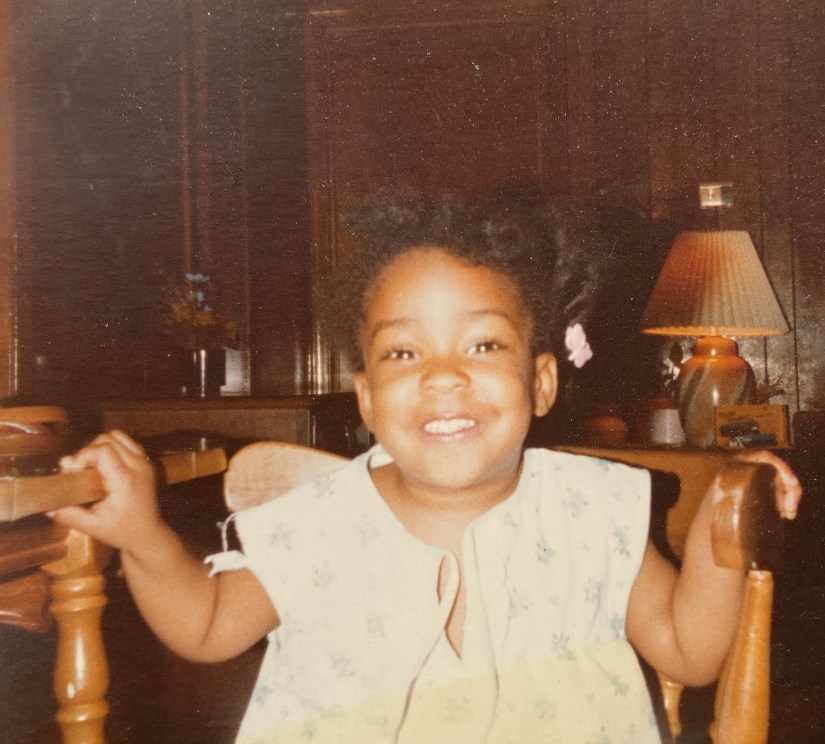
Within the first 36 months, Gina needed Grandmother.

The second big thing that happened to Dorothy was that her parents separated. I donโ€™t know the reason nor the length of time of separation โ€“ nothing was documented as a divorce at any time, but Dorothy, her sister and her mother were listed on one census record with her maternal grandparents while Dorothy, her sister and her father were listed on another with her fatherโ€™s auntie. This is also the year of a few family deaths, none more significant than Dorothyโ€™s mother. Dorothy was just 14 years old when she lost her mother. I know two things about losing your mother as a teenager. First, no one in the world can explain what it is like to be the baby girl of the family and to lose your mother just as you are becoming a lady unless it happened to you. Second, grief is just as unique as the person who is experiencing it and no two people grieve alike. Dorothy was going through a second loss that I know no one helped her through. Worst case scenario she was a burden to be ignored or passed off. Best case scenario, everyone was so busy making sure she was provided for and had care that no one had time to care for her. But Grandmother, who got the help she needed from losing her mother, was by my side when I lost mine. She was the voice, yet again, telling the family how to look out for me and how to get me back up to a place of functionality so that I wouldnโ€™t have to wait until I was an adult to get treatment for grief and trauma. Grandmother would hold me in her arms and let me sob in her chest until my head throbbed and I fell asleep from exhaustion. And then she would tell me that I was the strongest person she knew, that my tender-heart was the strongest part of me. She would say that it was beautiful that I was able to fall apart into her arms, having the courage to both feel and express my pain and to be able to trust her with my most vulnerable parts. I can feel Grandmotherโ€™s hands around my face, cupping the tears that fell from my chin and letting them roll down the insides of her wrists. Smiling through her own tears and wiping away my fresh tears with her thumbs, Grandmother would look into my eyes for my silent questions, and she would wait until she could see I got the answers from looking into her eyes.

Dorothy had a baby girl and got married as a teenager and her husband left four months later to serve in World War II. I donโ€™t have a lot of answers about that period of time and maybe thatโ€™s something that will be made clear at another time. But Grandmother is who I would have talked to about my teenage relationships and the one personโ€™s advice I would have trusted implicitly. Grandmother would tell me all about my biological grandfather, what the family thought of him, why she didnโ€™t get married until a month after my mother was born, what it was like for her husband to leave for war, and how the relationship ended. I would have made the same teenager decisions I made for the same reasons I made them, but I wouldnโ€™t have made myself sick with doubt and grief prolonging the closing season for those teenage relationships. Then I would have walked hand in hand with Grandmother in places where the grass was lush and green while she beamed at me with pride, knowing I was moving forward courageously, unconcerned that I would have all the relationships I needed along the way.

Teenage Regina needed Grandmother.

Dorothy had a boyfriend who was just as, if not more, significant than my biological grandfather in some ways. This boyfriend saw her talent, shared her talent, and made her an offer she wouldnโ€™t have refused. Her father stood in between her and this dream. I believe this act โ€“ one I am certain was made out of love and the best intentions โ€“ was the beginning of a horrible downfall provoking Dorothy to lash out, causing regrettable and significant harm to her loved ones. So, because I can know Dorothy as the Grandmother who sang in talent shows and with doo-wop groups, I can spend time with the Grandmother who tells me that I can have everything Iโ€™ve ever dreamed of and more. Grandmother calls me her โ€œpartnerโ€ – because she can see so much of herself in me. I am the one who drives her everywhere she needs to go while we sing every song on the radio at the top of our lungs together. We spend Saturdays together, sitting on the floor in a small room where her phonograph (that still works fine) is stored, listening to records. When itโ€™s my turn to choose songs, I select some vinyl that makes her smile and then choose some things from my iPhone that I know sheโ€™ll absolutely love to hate. Weโ€™ll sing together and Iโ€™ll read liner notes to her while we listen to music for hours exchanging fun facts about the musicians. And sheโ€™ll have a couple fingers of something brown and smooth while teasing me for preferring something pink with bubbles. When I see sheโ€™s getting sleepy, I begin to put away the records with the same care she taught me when I was very little. When weโ€™ve played our last song for the night, I walk her to her bed and tuck her in just before kissing her cheek. Grandmother knows I canโ€™t sing for shit but loves the way I sing with my whole heart. She laughs at me when I screech out the high notes and when I ask why sheโ€™s laughing, she tells me that she laughs when sheโ€™s happy.

Dorothy Lee wrote on the back of this photo that she was too flabby and that this was her real hair. She would write addresses and stories on the back of photos that she sent but never the date.

This is the Grandmother with whom I spent last Halloween. October 31, 1925 was Grandmotherโ€™s 96th birthday. She didnโ€™t grow up in a perfect world โ€“ life dealt its blows often leaving her heartbroken โ€“ but she lived with all of her needs met, whether physical, emotional, or spiritual. She tells stories of love and loved ones lost, of dreams deferred and changed, and how to find the beautiful things in a world of ugliness. She smiles at me with her eyes and her heart, knowing that she walked the path she did so that I would have someone holding my hand while I walked the path destined for me to walk. She is happy to do it because with everything I go through, she gets to advise me from a place of experience. When she recalls wondering why such terrible things happened to her when she was younger, it all makes sense when she sees me.   

I am Regina Lynette, granddaughter of Dorothy Lee.

15 Min Read, Family, Parenting, Re-parenting, Relationships, Robert Samuel Walker, Spirituality

I am Regina Lynette. I am a Baptist Christian. Probably.

I was raised in the Missionary Baptist Church. At eight years old I publicly made my confession, was water-baptized, received communion, and was offered the right hand of fellowship with membership into my childhood home church, from here on out to be called NNMBC. About nine years later that church split, letโ€™s just say over issues with follow-on leadership. I would spend the next year of my Christianity absorbing religious teachings with an unbelievable and relatively new zeal in a new church, from here on out to be called NBMBC. Later, I would start cautiously wandering away from what I was taught, testing ideas about my religion, and finding out some truths for myself.

Daddy was my trusted personal religious leader and when I had questions about anything regarding religion โ€“ ours and others โ€“ I trusted him to be completely honest in his responses. I would go to Daddy before anyone else because I knew that what he had to say would be based on experience or from his own research and education, and that he would refer me to texts that would support his answers. I also trusted him to honestly admit if he didnโ€™t know something and that he would do the research and get back to me or encourage me to do the research with him. Even though some of what he would say would fall in the category of dogma, his delivery was never dogmatic and always logical (despite religion or spirituality not being what I would define as logical). But then I went to college, and everything went to hell. Okay, everything didnโ€™t go to hell, and I canโ€™t even justify that level of melodrama here, so, I take it back. But college was the start of curiosity, circumstance, and independence taking me along a slightly different path than I ever imagined.

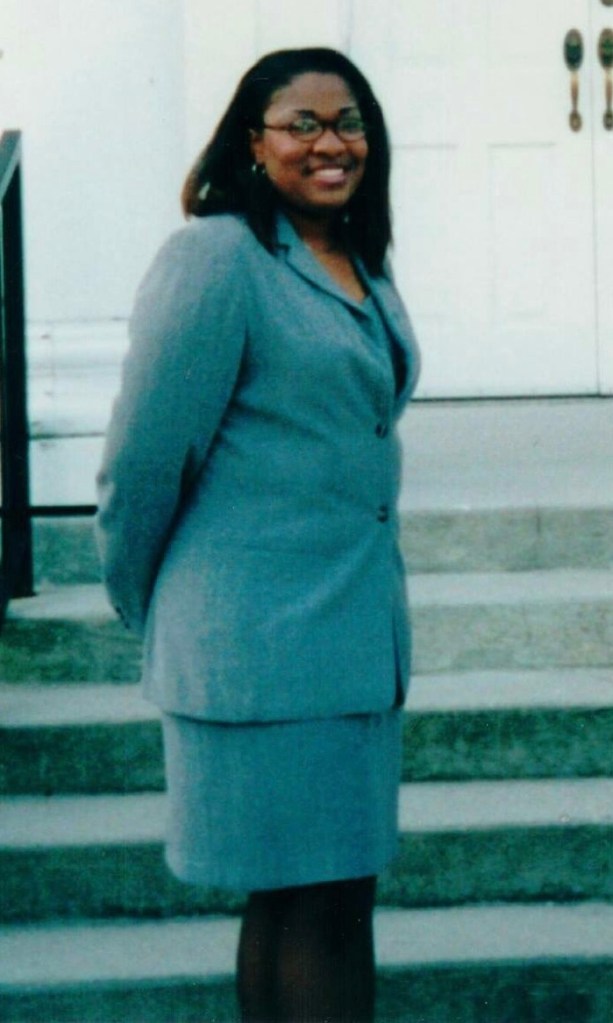
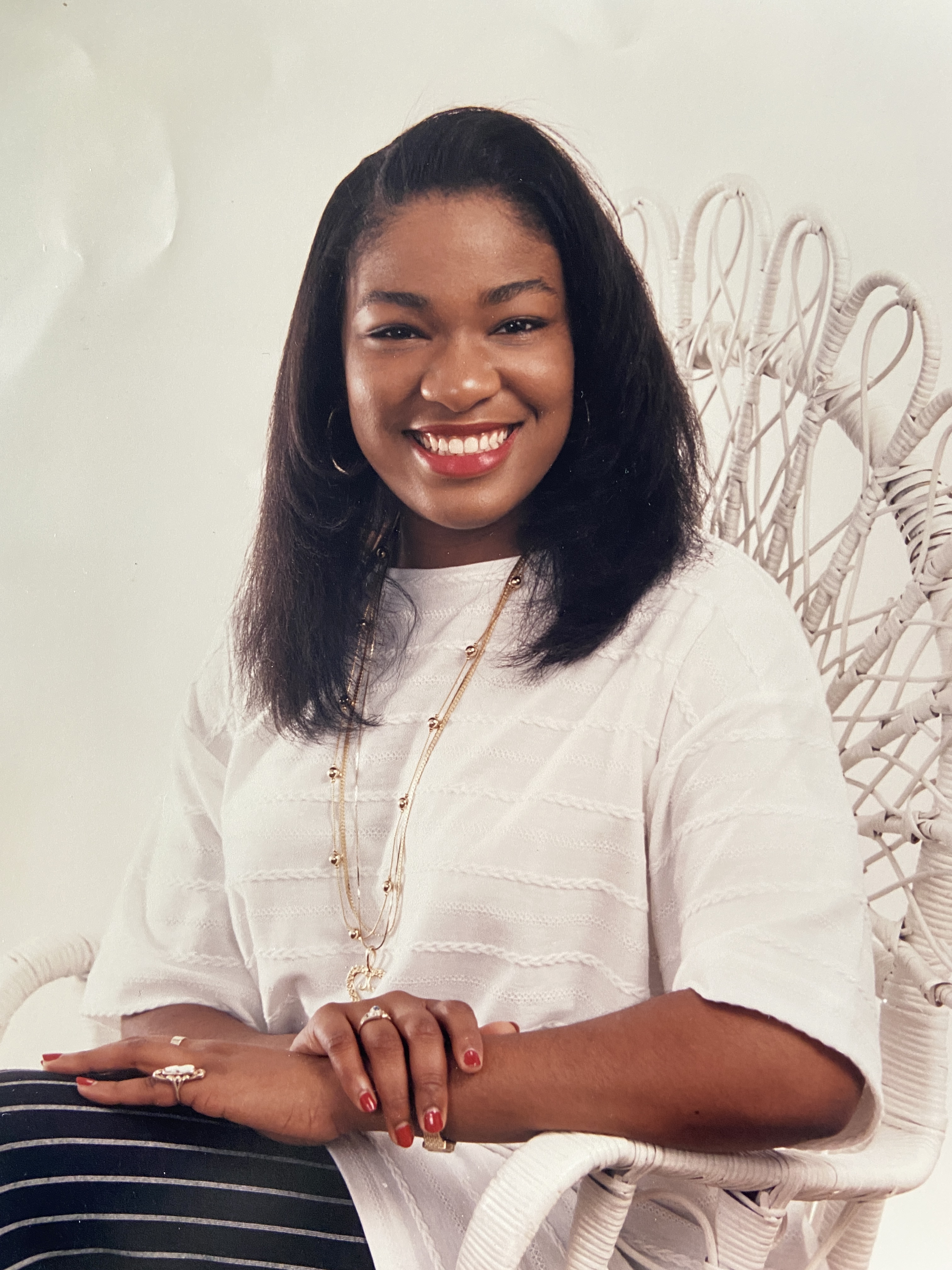
This is Regina wearing the suit that would become my “Communion Sunday” suit. How I never spilled grape juice on my all white was miraculous.

The first year of college, I partnered up with a new friend who matched my particular freshman demographic in my search for a church family in the town where I attended school. We were both female, away from home, and part of the 5% minority population of the university. One of the things that created a firmer bond early in our friendship was that we were both daughters of black Baptist preachers who needed to find a church to attend regularly while we were away from home, and we believed it should be a Baptist church. We were glad to be on this search together and found we wanted similar things from a church-home-away-from-home. Unfortunately and universally we found, beyond doctrine and styles of worship, that we didnโ€™t feel welcome in those churches. We were our best Baptist Christian selves and were snubbed by those who we expected to welcome us to the family and offer the right hand of fellowship. We dutifully stood as visitors, reciting the most relevant details of what I like to call our “Christian resumes”, offering ourselves to be cradled in the arms of the churches and we didnโ€™t find a place that felt like home as we hoped. After reporting back to our families our lack of success and the new routes we planned to take โ€“ seeking Christian churches of other denominations โ€“ neither of our families were particularly happy but they trusted us to make the right decision (which was simply joining a church). It wasnโ€™t terribly long after we started with this new plan that we landed at a charismatic church โ€“ House of God I believe was the official denomination. This church will be referred to as BHOG going forward.

I didn’t know much about the charismatic churches at that time and had to be brought up to speed on the charismatic denominations. To shorten my learning curve, those who knew I grew up in Memphis likened House of God to the Church of God In Christ. I had been curious about the Church of God In Christ forever. In my ignorance, it was the only church that I would consider charismatic (even though I didnโ€™t get that vocabulary until I was an adult) and therefore stood alone as a strange but intriguing group of Christians. When I was growing up, Memphis was where their official leadership & headquarters was located and the place where they held a large annual conference. I knew it as โ€œthe saints coming to townโ€ or “the COGIC coming for conference”. I wouldnโ€™t understand that COGIC was an acronym for the Church of God In Christ until I was a little older so it sounded more like an affliction than an affiliation, and is partly why I seldom use the acronym today, even in writing. The other thing sparking my curiosity as a child about the Church of God In Christ was that Daddy and my siblings from his first wife were involved in that church for a period of time and something went terribly wrong because they spoke about the church with some unpleasantness that I don’t want to give a label. I know the story from a couple of points of view but each of them experienced it in their own way and I can’t articulate their feelings and don’t want to label them. But the point is I was always curious about the Church of God In Christ. And because the pastor of my NBMBC came from the Church of God In Christ I was exposed to certain influences that made for a more energetic style of worship than I had been accustomed.

As I said earlier, curiosity (about charismatic churches and styles of worship), circumstances (feeling terribly unwelcome in the local Baptist churches and incredibly valued in a charismatic church), and independence (more on my own than I wanted to be) led me to BHOG, ready to join under Watch Care. Watch Care was a way of joining a church under temporary circumstances โ€“ being away from home at college โ€“ so that weโ€™d have a spiritual leader, spiritual family, and could fulfill our Christian obligations and rituals for the duration of the temporary relocation. Thatโ€™s my own definition by the way, based on my experience at the time. The process of joining a church under Watch Care included presenting a letter from the pastor of your home church (NBMBC) to the Watch Care pastor (BHOG) and then finding out if you were โ€œacceptedโ€ which, as long as there was no issue regarding beliefs about baptism (water and immersion) and you came to an understanding of where your tithes were going, you would generally be โ€œacceptedโ€. What I was unprepared for was that my pastor (NBMBC) would outright refuse to write me a letter because, as he explained, heโ€™d spent time in the Church of God In Christ which to him was equivalent to BHOG and I had no clue what I was getting myself into. I found this a bit irrational and not only insufficient but also an unacceptable explanation, so I decided to go to Daddy. He was not my pastor, but he was the assistant pastor at NBMBC; the person who responded to my tugs on his heartstrings; and the person whose guidance, for me, would trump anyone else’s. I would explain all this to BHOG so that I would be โ€œacceptedโ€. Unfortunately it was one of the few times that Daddy hid behind a very weak excuse, refusing to write a letter because he wasnโ€™t officially my pastor. But I knew it was because he didnโ€™t support my choice of church. He did believe in order and that it was my pastorโ€™s place to write the letter, but if he’d felt differently about the church I’d chosen, he would have written the letter and that would have been the end of it. So, with no possibilities of getting a letter, I approached the BHOG pastor and before I could even start to explain that I couldnโ€™t get a letter, he told me that he never expected that I’d get a letter and that if I was still interested in joining his church, heโ€™d give me a modified version of the process which combined regular membership orientation with Watch Care orientation. And he was careful to explain to me that my tithes were expected to go to BHOG and not NBMBC.

This was the last Sunday that I attended BHOG This is on the steps of the new building they moved to just before I graduated college.

While in college I took two religious studies courses while having โ€œleftโ€ my home church and denomination for a โ€œnewโ€ church and denomination. It was so interesting learning academically about so many other religions and this was the first time I began to embrace all the Abrahamic religions and became unusually fascinated by the Wiccan studies. Iโ€™d determined that if I had been born with absolutely no religious belief set and sought out my own by studying them all, I probably would be Wiccan. It would be years, literally over a decade, before I would openly share that with Christians who felt invested in my religious path. It didnโ€™t go over well but at least I wasnโ€™t met with rescue efforts because by then I was certain that I was going to be a Christian for life.

Daddy got sick when I had about two years left in my college career. He was struggling with a cancer diagnosis, and he was nearly 80 years old. As the possibility of his death felt almost tangible, I took my prayer requests to my BHOG church family. I didnโ€™t feel I had a place at NBMBC anymore except on paper and my NBMBC pastor was in jail much of this time anyway. (Yes, Iโ€™m going to leave that right there for now and I canโ€™t promise Iโ€™ll revisit it with any significance.) And so my BHOG family supported me and prayed with me and believed with me for Daddyโ€™s healing. While I prayed for his healing, I also began grieving him. I had no doubt that God would hear my prayer, but I also didn’t want Daddy to suffer simply for the sake of my not wanting to let him go. After some time Daddy was effectually healed of the cancer but his body was a wreck from the treatment. Not to mention, as assistant pastor at NBMBC he took on the responsibility of managing the church in my pastorโ€™s absence. He fell into a vicious cycle of taking care of the church until he would get sick and be admitted to the hospital. Heโ€™d recover somewhat and head back to the church to start the cycle all over again. I was infuriated. All along I had begged my NBMBC pastor not to make Daddy the assistant pastor because he was in his 70s and to get some more preachers at the church. My NBMBC pastor was not in agreement with what I thought was quite logical โ€“ having someone who is twice your age be your second in command was impractical to say the least and stupid to say the most. Donโ€™t you want someone who can take on the torch after youโ€™re gone? And hadnโ€™t we as a church just struggled with the idea that my NNMBC pastor had to be “sat down” by the parishioners because he was too old and didnโ€™t want to let go of pastoring? I mean if you are of the opinion that there is such a thing as โ€œtoo oldโ€, why would anyone who was over 70 years old be in position to takeover the church? I appreciated that he regarded Daddy as a wise advisor โ€“ the only reason he gave me for his choice โ€“ but I disagreed that Daddy needed any responsibility for the actual running of the church. I digress, but only a bit. My experiences, disappointments, and other slights from NBMBC (along with the ones from NNMBC that I haven’t mentioned) began to change the way I viewed what it meant to be a Christian.

After Daddyโ€™s cancer was in remission and while he was sick from the treatment, I continued with my grieving. I felt he wouldnโ€™t be with me much longer โ€“ even though I still had ideas that heโ€™d at least see 90 โ€“ and I needed to be ready to let him go. The only problem with my acceptance that he was nearing the end of his life is that my BHOG family didnโ€™t listen to me and continued to pray for something I was no longer believing for or wanted. And my confidences were betrayed โ€“ with the best intentions of caring for me โ€“ so my trust in them faltered. Daddy died during my last semester of college and while my BHOG family cared for me during my grief more than any other spiritual family, I felt unseen and therefore, though it sounds extreme, no longer loved or safe. I remember being asked to stand at BHOG during the Sunday evening service held the same night I returned to college from having attended Daddyโ€™s funeral. I went because I didnโ€™t want to be alone with my grief and my religion was supposed to be the thing that held me up and strengthened me and would help me finish my college degree. My BHOG pastor said something about how impressive it was that I was at church because it said something about my commitment to the church โ€“ not being lazy or using my travel to bury my father as an excuse to not make it to church โ€“ and that was the end of my time at BHOG even though I would not officially leave until I graduated.

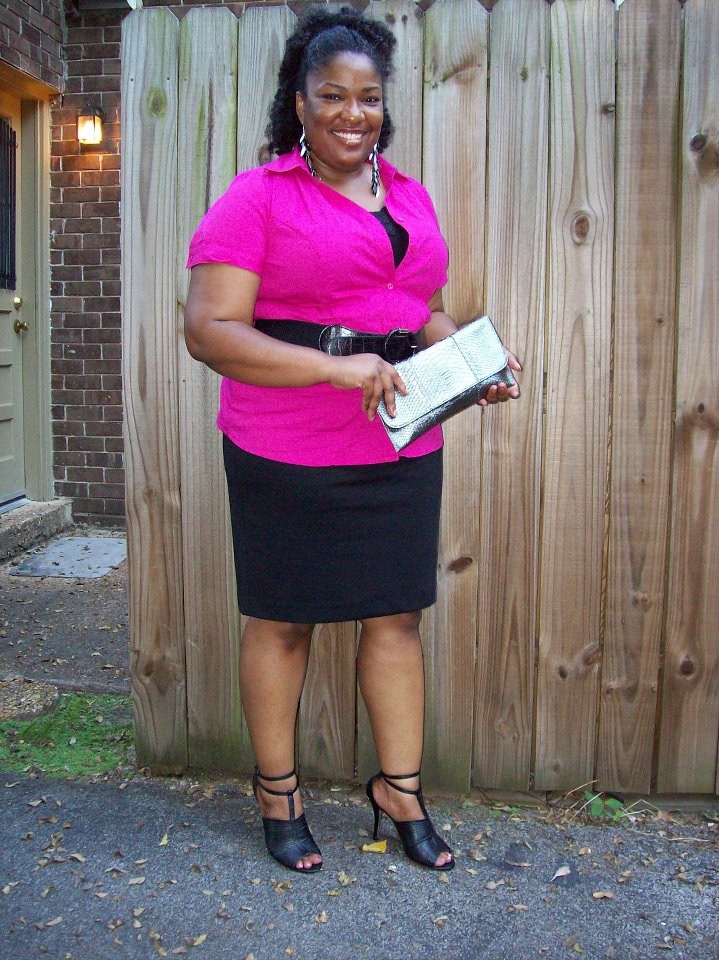
I’m not headed to church here, but I don’t have any post-college church pictures so, next best thing.

Just before I graduated college I began isolating myself from the church in general, beginning with intentionally not attending church regularly. I remember the first Sunday I purposely didnโ€™t go to church. I sat on my bed and read the newspaper and felt so free. I very specifically felt exactly free. People came by to check on me after service โ€“ because as I said I truly had a church family โ€“ and I was a bit defiant with some, testing their ministry to me. I remember one thing I thought truly trivial yet hypocritical was that in all the years I had heard โ€œcome as you areโ€ in every church, it apparently didnโ€™t apply to me and no one could even hear the contradiction in what they were telling me. What I heard was that based on what I call my religious resume, I was no longer in the category of folks who could just come as they were, and if I didnโ€™t attend church in my regular โ€œuniformโ€ (which at the time was a suit or dress, control top pantyhose, and heels) then I would be inappropriately dressed. Offering that I couldnโ€™t afford dry-cleaning was not met with an offer of financial help but with encouragement to just find a way. I maintained it should have been acceptable for me to wear jeans to church. All of these tiny contradictions and small hypocrisies, the prophe-lies* and the manipulations, and all the things that humans tend to do to anything they put their hands on all wrapped up into one big trauma, and it wore on the ties I had to the religion I was born into and loved โ€“ Missionary Baptist Christianity. Add to that the season of Rebel Gina which followed college graduation โ€“ my seemingly unpredictable, irrational and consistent anger along with a uniform of olive green and black โ€“ and I essentially walked away from the church. It is most important that I am clear that I walked away from the church (the building and the fellowship) โ€“ not my beliefs. While I agree that I am instructed not to forsake the fellowship, I maintain that I should be particular in choosing who is in the fellowship.

Tons of words again. Have we made this a three-parter? Probably.

I am Regina Lynette. I am a Baptist Christian. Probably.

*Prophe-lies, pronounced ‘prof-uh-lize’, is a lie, typically that serves another’s own agenda, that is shared under the cover of a prophecy.

3 Min Read, Donna Maria Thomas-Walker, Family, Mental Health, My Body, The Mothers

March 23, 2024.

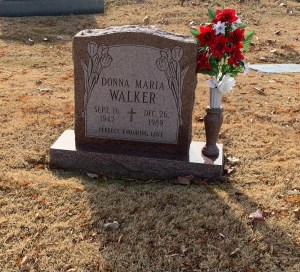
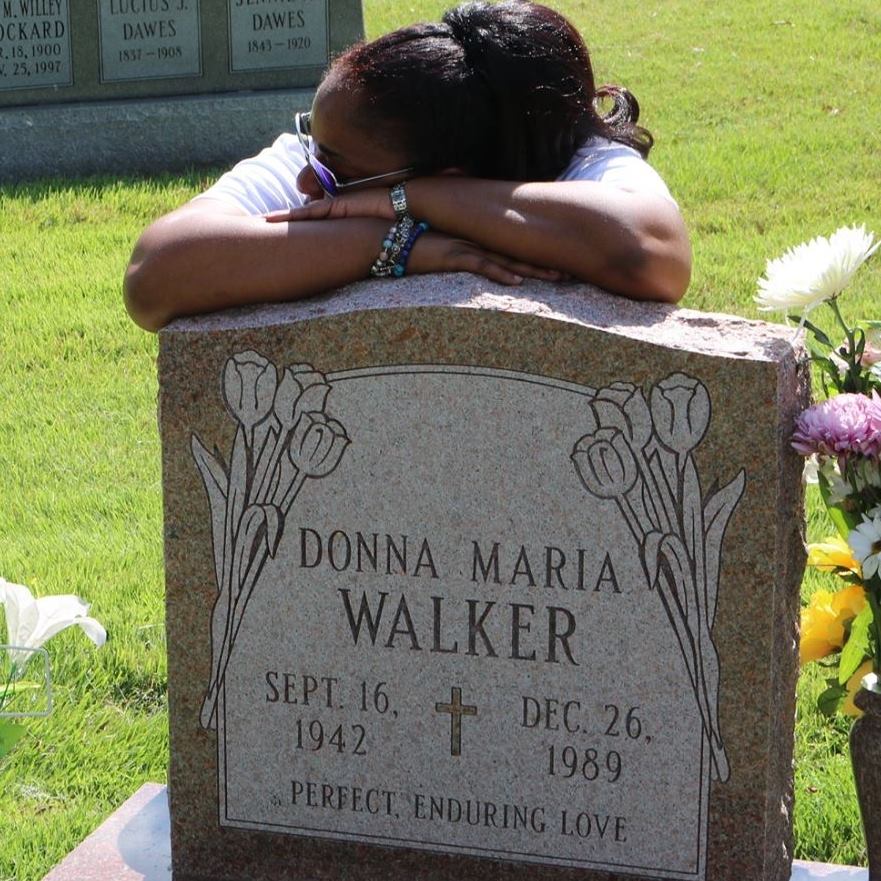
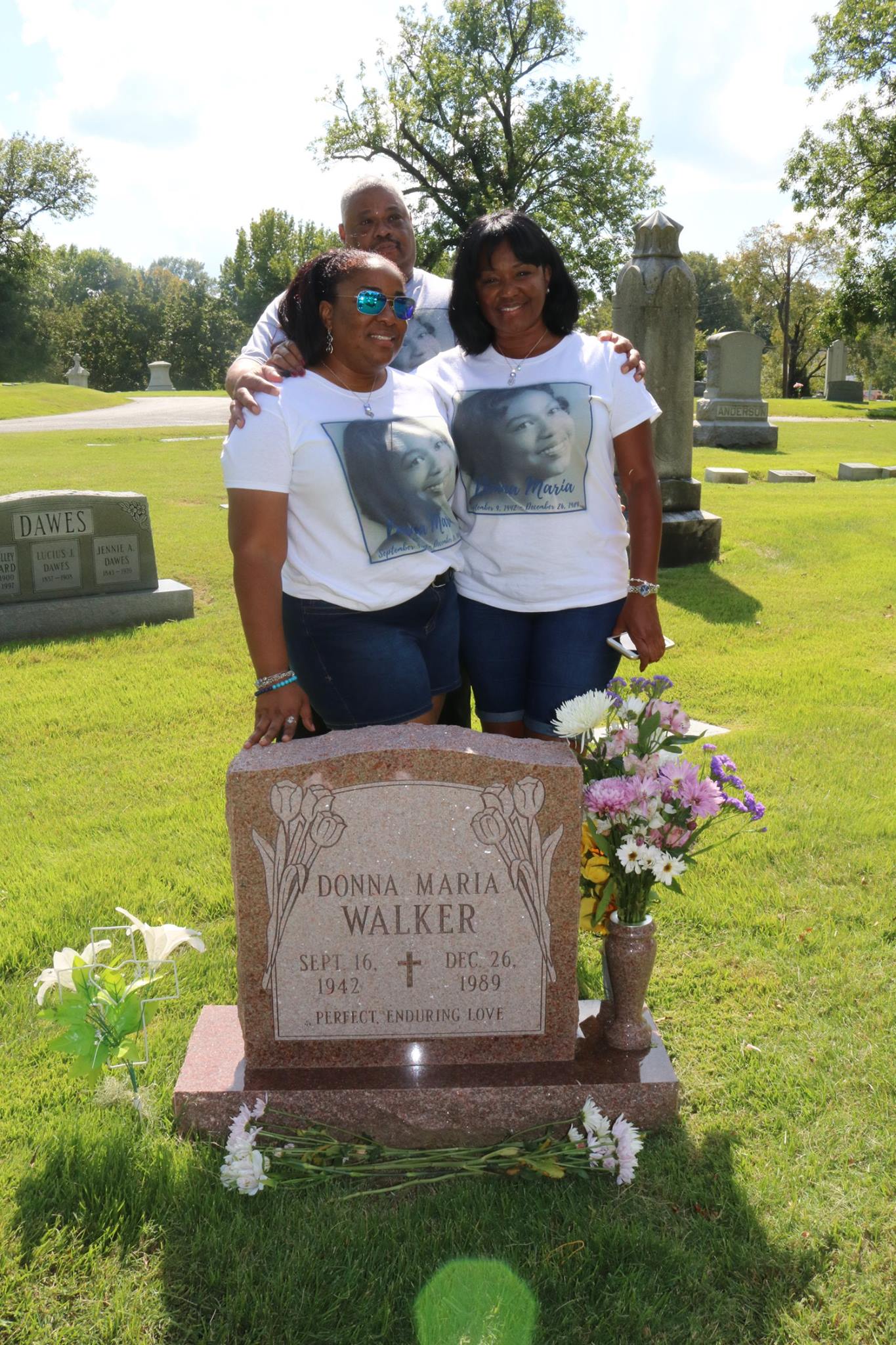
When I open my eyes on March 23, 2024, I will have officially outlived my mother. Iโ€™ve been thinking a lot about my mothers lately and because I only had one of them in my life, and even then for only the first 13 years of it, I feel tremendous loss. But it is in my blood memory to recognize and acknowledge my ancestors so I have created a sacred space at home where I honor my ancestral mothers. This isnโ€™t a foreign concept for me but this is the first time I am intentionally seeking out my ancestors. Iโ€™ve sensed uncles, aunties, my paternal grandmother, and my parents with me in the past โ€“ riding in my car, sending lady bugs my way, or while shopping and running errands โ€“ and have welcomed their presence. But I never invited them in the way I am inviting my mothers now.

My mothers never lived to become old women โ€“ none of them even made it beyond their 60th birthdays. And because my mother died so young, 47 years and 101 days, I always expected that my siblings and I would each have a crisis of sorts about reaching and surpassing her age in our own lives. I watched my siblings approach and surpass the number of years my mother lived and they seemed to have opposite approaches โ€“ one seemed to expect death and the other seemed to fight death. And now itโ€™s my turn.

After I reached an age where my dreams seemed impossible, I began thinking much more often about my own mortality and thinking about the possibility of surpassing the number of years my mother lived. I could honestly say that I didnโ€™t want to outlive my mother. I donโ€™t mean that I was suicidal, but that I didnโ€™t want to live. I didnโ€™t have a life I enjoyed and didnโ€™t have children to live for or a legacy to create or fulfill. So what was the point of living? No one depends on my life for anything so if I didnโ€™t enjoy it and there was no obligation to live for anything else, what was the point?

Vacationing in Toledo, Spain during a time where my life dreams seem no longer possible.

Because my mother died from a silent killer, I thought I was being responsible by going to the doctor for all my age-related preventative annual testing. As a result, Iโ€™ve been poked and prodded and threatened with numerous illnesses. And supplements have been recommended. And medications prescribed. And as a result of increased focus on preventing hereditary diseases, more small things have been found that need investigating and watching. Several routine visits have resulted in months of ultrasounds, MRIs, C-Scans, and preventative testing in increased frequencies. And it sounds reckless and selfish but I am tired. I donโ€™t want to have a 3-D mammogram and an ultrasound and an MRI every year.  Why does that sound reckless and selfish? Because I am in a position where it is both recommended and covered by insurance to have a 3-D mammogram and an ultrasound and an MRI every year to catch breast cancer as early as possible to be able to treat it as early as possible and prevent invasive life saving measures and death. I imagine that every person who has been touched by breast cancer is cringing now. Forgive me. I have to remind myself of the good. I have to forget having my boobs treated like breast cutlets and then having those results compared to an ultrasound and then having those results compared to being on a seat on my knees in the fetal position with each boob hanging down in a cold metal square sitting in a machine that knocks and beeps for half an hour and then having a dye injected and doing it again for half an hour. And while all that is better than chemo and radiation and mastectomy and a painful slow death, all it does is make me think about cancer. And I feel the same way about all the other preventative tests I have to go through annually. After just 2 years of that, I became obsessed with death and believed I was at risk and in bad health.

The next thing to happen as a result of all the things that have showed up on these tests is that with further testing of something suspicious, I have been proven to be in relatively good health. So I got over myself. Even things I shouldnโ€™t be able do to well because of the diagnoses I live with, I do better than I did when I was younger and supposedly in better health. I listened, finally, to the message I was receiving. Itโ€™s not too late. And because itโ€™s not too late, I have decided to embrace the belief that I will surpass the number of years my mother lived. And Iโ€™ve set some goals to achieve by March 23, 2024. And I am planning a celebration for March 23, 2024. If you are invited, the only acceptable response is โ€œyesโ€.

10 Min Read, Donna Maria Thomas-Walker, Family, The Mothers

Looking for Odetta and Peoria, Iโ€™ve found almost nothing.

I am Regina Lynette, daughter of Donna Maria, daughter of Dorothy Lee, daughter of Odetta, daughter of Peoria. And I have been searching for myself in my mothers’ gardens. But what do I do when all I know is a name, some basic statistics, and a cause of death? I wish I knew if one of them had these ankles โ€“ theyโ€™re hereditary and Iโ€™ll never forgive the ancestor who passed them on to me. They skipped over my parents and none of my siblings got them so I canโ€™t track them down.

Odetta (Cox) Thomas, my great-grandmother, is practically just a name and possibly a photograph along with a death certificate and a few census records to me. She was my great-grandfatherโ€™s first wife and together they had three daughters, including my grandmother. She stayed barefoot and pregnant having all three daughters in the span of about 3 years but lost the last of those daughters at just 6 months old. She married young, probably about 14 years old and died young at 31 years old. She died from paralysis and apoplexy (presumably a stroke) due to interstitial nephritis according to her death certificate (it only took me years to decipher the handwriting on the certificate). With this information, I canโ€™t guarantee that she had these ankles.

The last census taken during her life, one year before she died, shows that she was divorced from my great-grandfather, but her death certificate shows she was married when she died, and no name was listed for her husband. She is listed with my great-grandfatherโ€™s name on her death certificate, and he is noted as a widower before his second marriage. Whatโ€™s for certain is that she was not living with him nor her children โ€“ at the time, she was a roomer in a house with her parents. Somewhere between 1920 and 1930, my great-grandparents had some kind of separation โ€“ an undocumented/unfiled divorce – and Iโ€™m left with far too many ideas of why she wasnโ€™t living with her children. I cannot confirm where my great- grandfather and his daughters were living that year.

Without one single family story about Odetta, itโ€™s difficult for me to even make assumptions about the way life treated her. Even though she married at such a young age, it wasnโ€™t atypical for the time. All signs point to her death being sudden and unexpected โ€“ her age and her immediate cause of death support that assumption. She has been laid to rest in Mt Carmel cemetery in Memphis. We visited this cemetery with little hope of finding her or my other relatives buried there. The cemetery has become an โ€œeyesoreโ€ because the company that owned it and another cemetery where prominent black people of Memphis are laid to rest went bankrupt. There was a local group who worked to clean it up some back in 2014, but as of 2017 it was still a mess. There are broken headstones, those that are now illegible, and of course I had no access to anything with a locater for the graves. As I walked through the areas that I had enough courage to enter, I thought of Alice Walker describing her experience in seeking out Zora Neale Hurstonโ€™s resting place. I had hoped to feel the souls of my ancestors there, but I canโ€™t say that I did. What I did recall though was Mommy lamenting that she didnโ€™t take good care of the graves โ€“ tending to them and making sure they had fresh flowers regularly – and based on what I know now she must have meant those in Mt Carmel. She believed she wouldnโ€™t have been able to find them.

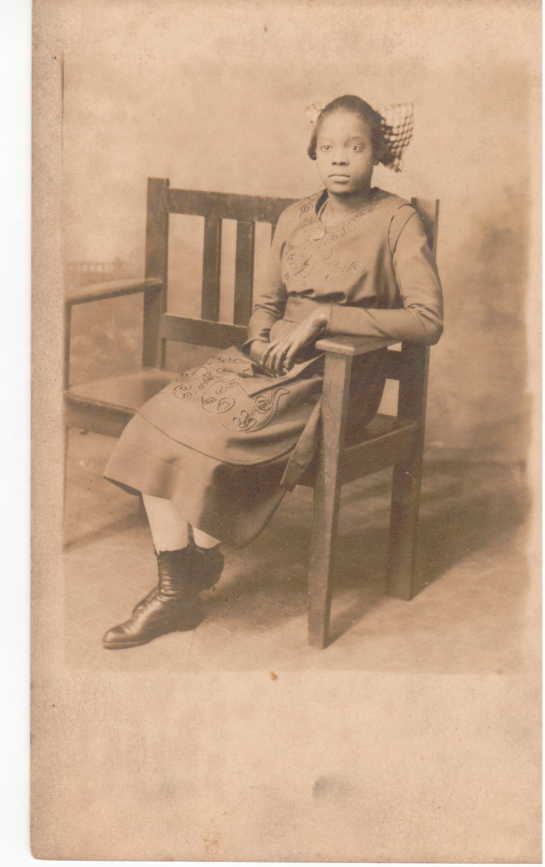
This photo post card was found in my motherโ€™s things and based on what was written on the back of the photo, I assume this to be Odetta Cox Thomas. I want desperately to see myself in her face and in her eyes. And I really want to know about those ankles. Where is my great-grandmotherโ€™s garden and what was in it for me? At least I know her name and her motherโ€™s name. Perhaps in speaking her name I will find her.

Peoria Cox is my 2nd great-grandmother and I know even less about her than of Odetta. Peoriaโ€™s parents remain unknown to me except that her mother was born in Mississippi, but without any name for her mother or even Peoriaโ€™s maiden name, it is difficult to find them. Even if I did find a couple with a daughter named Odetta (and possibly a sister named Mary), I couldnโ€™t confirm them. But if she passed on these ankles, skipping generations, I will never forgive her.

My 2nd great-grandmother was born in Arkansas and I assume she moved to Memphis with her husband and children when they were young. But the earliest address I find for her is in Memphis where she had two children, including my great-grandmother. Her daughter lived with her, likely until her marriage, and then for some time before her death. Mommy once told me that losing a child was the worst pain to suffer in the world. If thatโ€™s true, Peoria surviving her daughter also means she survived the worst pain in the world. Peoria died about 5 years after her daughter. The first census after Odetta died โ€“ the last one of Peoriaโ€™s life โ€“ listed Odettaโ€™s daughters at two different locations. The girls obviously split their time between their maternal grandparents and their father and his aunt. Peoria died when my grandmother was a young woman and Mommy was a toddler, so I also like to think that Mommy spent some time in Peoriaโ€™s arms. If Mommyโ€™s arms ever hugged Peoriaโ€™s neck, then those same arms cradled me and by association I have been touched by all of my known mothers.

Peoriaโ€™s immediate cause of death was cerebral hemorrhage from unknown causes โ€“ another sudden and unexpected death. She lays in the same cemetery as Odetta โ€“ Mt Carmel in Memphis. We werenโ€™t able to find her in 2017 either.

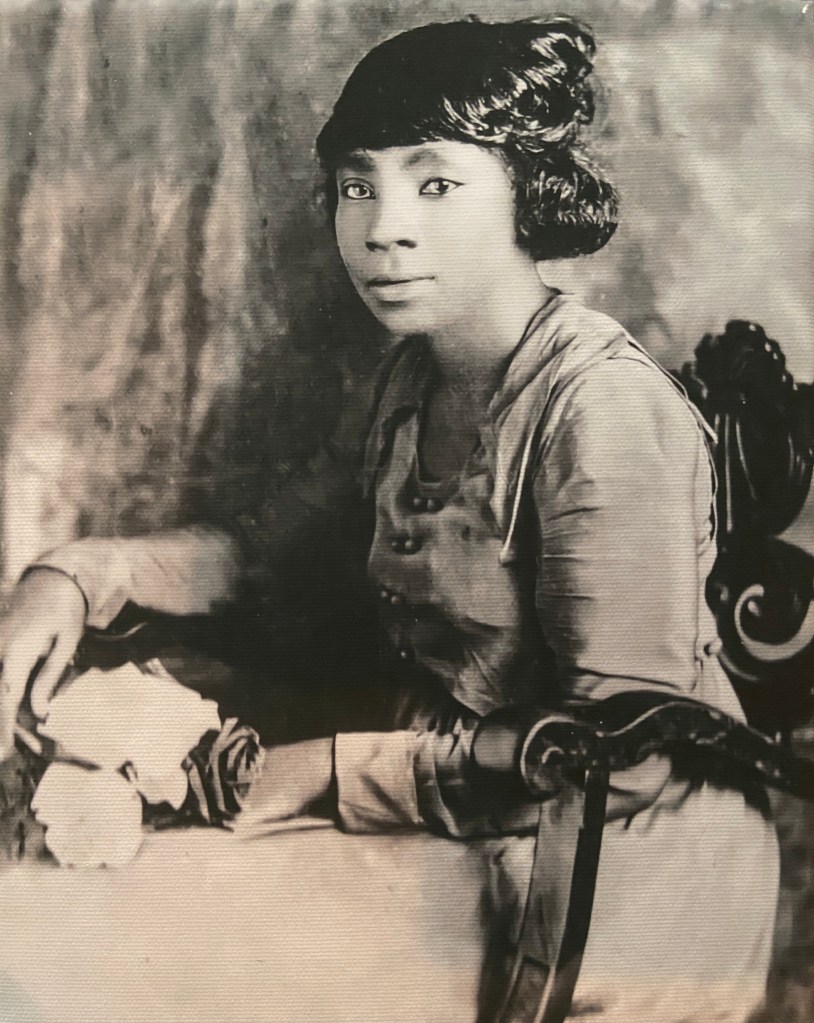
This photo hung in my childhood home, and I know I asked Mommy who she was, but I cannot remember which relative she said. Based on the information I have I am making a guess that this is truly Peoria. ย I want desperately to see myself in her face and in her eyes. And I really want to know about those ankles. Where is my 2nd great-grandmotherโ€™s garden and what was in it for me? At least I know her name and her motherโ€™s birthplace. Perhaps in speaking her name I will find her.

DNA testing identifies us with the Bamileke Tribe of the Cameroonian peoples. This testing goes back along the line of mothers, so I like to think that Peoria passed down some traditions, recipes, and rituals from Cameroon even if the daughters didnโ€™t know the origins. I understand that many things have interrupted the passing on of our culture – Peoria is listed as mulatto on at least one piece of documentation suggesting that one of her parents was white; slavery and colonialism worked against the passing on of anything sacred; and divorce, death, and moves across country left young girls without the ones who would have passed down anything of cultural significance. But there is always something that remains imprinted on our DNA and there is a such thing as blood memory that keeps our hearts beating to the original drums. And our souls are always looking to return to our first homes โ€“ our mothers.

I am Regina Lynette, daughter of Donna Maria, daughter of Dorothy Lee, daughter of Odetta, daughter of Peoria.

15 Min Read, Donna Maria Thomas-Walker, Family, grief, Mental Health, Parenting, The Mothers, What's In A Name?

Looking for Dorothy, I wanted to find a kindred spirit.

I am Regina Lynette, daughter of Donna Maria, daughter of Dorothy Lee, daughter of Odetta, daughter of Peoria. And I have been searching for myself in my mothers’ gardens. Even though I didnโ€™t want to find myself in Dorothy for a long time, getting to know her as an ancestor has helped me to see some seeds of myself in her garden โ€“ because of Dorothy I am predictably unpredictable, and have a wandering spirit.

Dorothy Lee Thomas (Terry) was my grandmother. She was never known as grandmother but as Dorothy to Mommyโ€™s children. Her given name is Dorothy Lee. Her maiden name is Thomas. And her married name was Terry. I donโ€™t know if she ever married again after Warren Thomas Terry โ€“ never known as grandfather and causing some confusion with his middle name always listed and the same as my grandmotherโ€™s maiden name. She was called Dorothy. She was called mean. She was called unstable. And she was called unpredictable. Later I would know she was called a free-spirit and she was called independent.

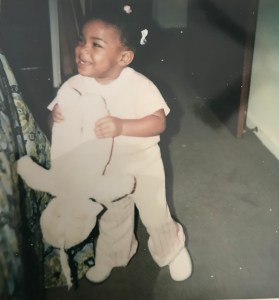
I had a baby doll that I slept with from my first memories until she fell apart. I named her Sleepy Baby because she was sleeping, and she was a baby. I was never creative with naming my inanimate objects โ€“ my favorite teddy bear is named Bear. Sleepy Baby was all I knew of Dorothy for years, because the baby doll was a gift from her, and I remember Daddy telling me so. I donโ€™t believe I ever met my Dorothy. I donโ€™t have a lot of details about the last time she was in Memphis visiting the family but when Mommy was found chain-smoking and rocking in her bed, Daddy announced that Dorothy didnโ€™t have to go home but she had to get the hell out of there. He drove her to the bus station and then Dorothy was gone. Mommy is the one who called her mother unpredictable most often. Most of the memories she shared were about times that started out happy and ended horrifically, sometimes ending in some kind of violent behavior.

This is the only photograph I have with Sleepy Baby. Not sure how long I thought holding her by her feet was the best idea. I have memories of rocking her to sleep in my arms before I went to bed myself.

Sleepy Baby was a doll made of a plush pale pink stuffed onesie with a pale plastic face, pursed pink lips, and closed eyelids. Her onesie was hooded, and yellow tufts of hair peeked out from underneath the seam. The pale pink satin ribbon was never tied in a bow as it obviously was when I got her but dangled the way ribbons on pigtails dangle at the end of the school day.

The vast majority of what I know about Dorothy consists of a timeline of events from genealogical research and imagining her reactions and responses to life events through a filter of my own experiences.

Dorothy was born on Halloween in 1925 to parents who were presumably married at the time, ages 16 and 22. She was the middle child of โ€œstair-stepโ€ daughters โ€“ her older sister was just about 15 months older, and the baby was just about 13 months younger. Her baby sister died at about 6 months old. She and her older sister were just toddlers at the time, so I imagine the baby was just a family story for her. But it was one that she never forgot. We found a list of โ€œcharactersโ€ in Mommyโ€™s baby book where Dorothy listed family members and Essie Mae was included. I think in a more positive series of events she would have been considered the family historian, always writing long notes on the back of photographs and in Mommyโ€™s baby book. Dorothy would lose her mother when she was just 14 years old and then go on to live with her father and his aunt for at least the next two or three years.

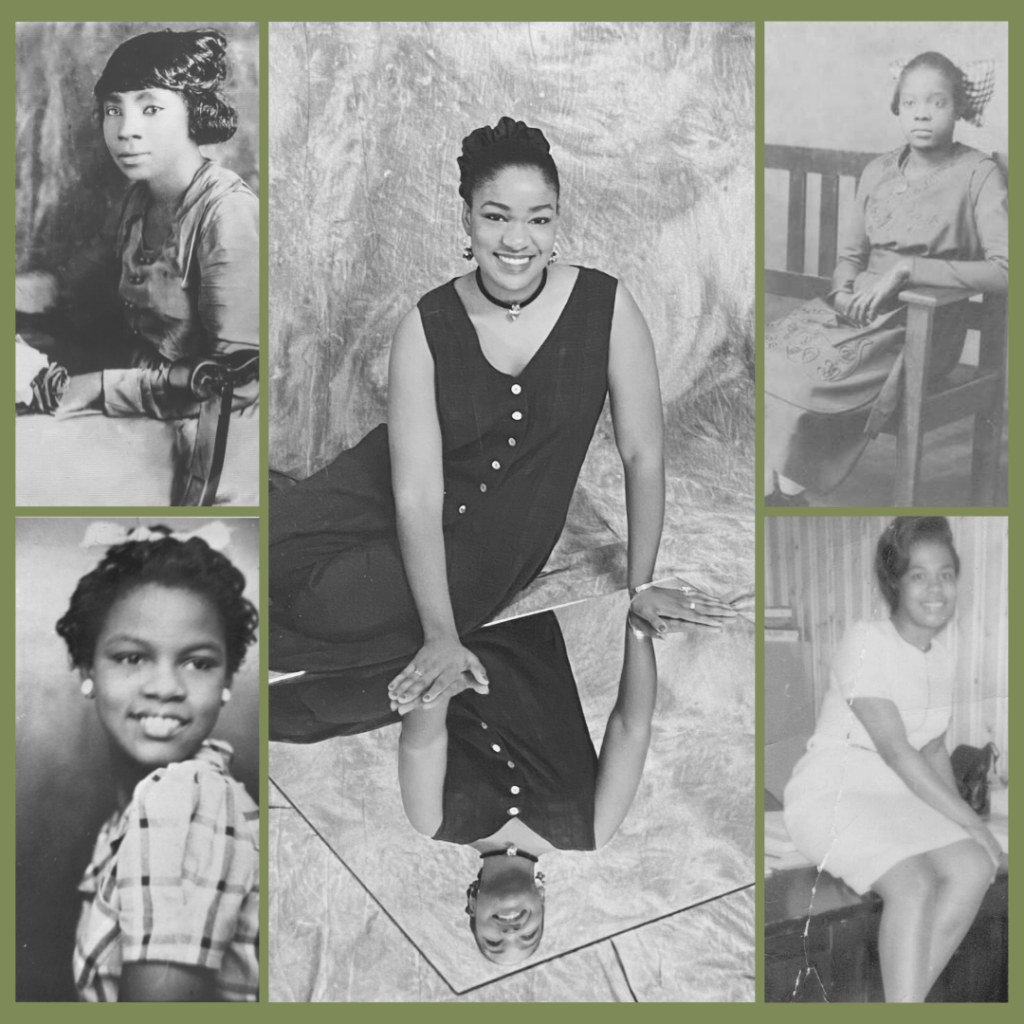
Dorothy Lee, mother of Donna Maria, grandmother of Regina Lynette.

This photograph was taken during Dorothy’s high school years – I believe she attended Booker T. Washington in Memphis – and is the best photograph I’ve seen of her.

Dorothy has posed for at least one other professional photograph that I’ve seen and sent a few snapshots in letters. She wrote on the backs about how bad she looked or that she had been ill in the photographs.

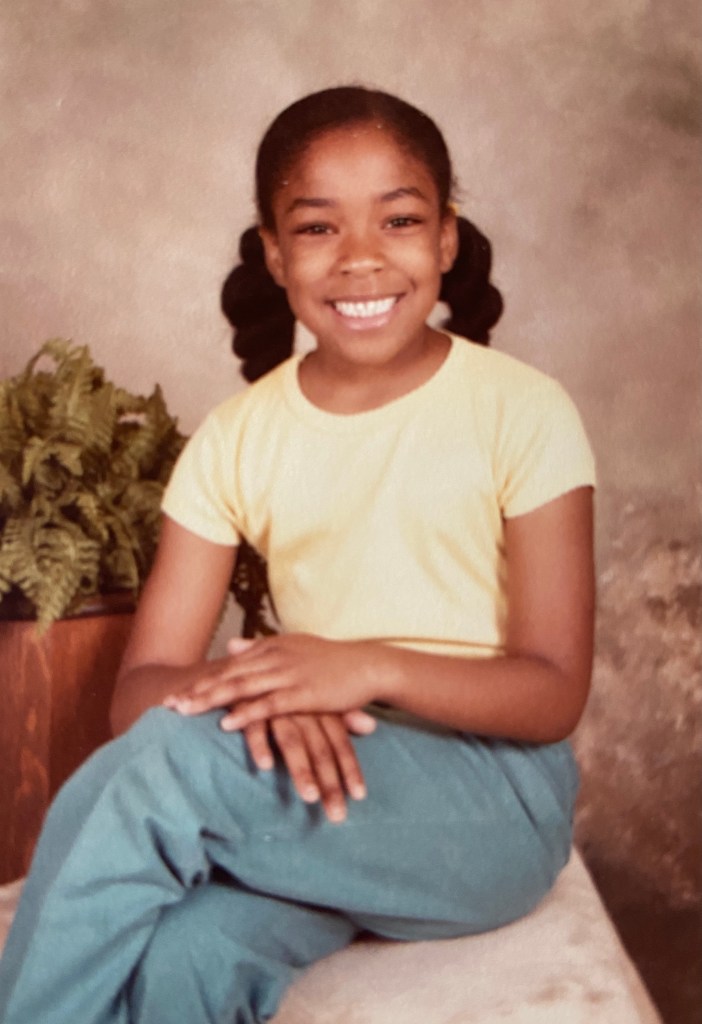
I’ve compared my high school photographs with Dorothy’s trying to find myself in her face.

Regina Lynette, daughter of Donna Maria, daughter of Dorothy Lee

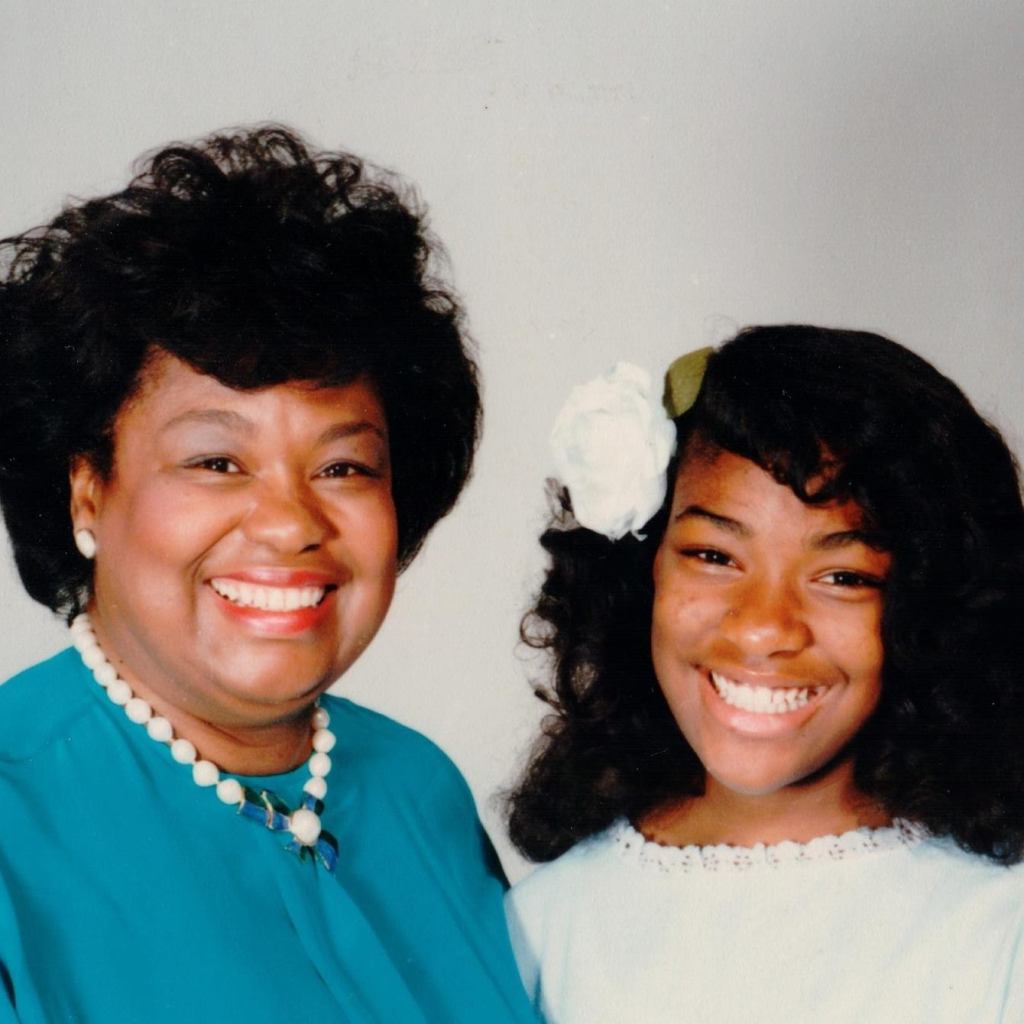
Here’s a picture of me in high school, wearing Fashion Fair Cherry Wine lipstick just because it was Mommy’s signature color.

Please excuse those ends. My ends hadn’t been trimmed for about 5 years and I was taking off 3 inches at a time that summer to avoid a short cut that I was not allowed to get. A few months later I turned 18, my father’s age of hair-cutting consent, and chopped it down to a chin-length bob – best decision ever.

From my own experience of losing my mother at age 13, I can assume that Dorothy was wounded emotionally in a way that only a girl-child who loses her mother in early teens can understand. I know what it is to be a Motherless Child and to be shattered by that loss. ย Did Dorothy have suicidal thoughts when her mother died like I did? Did she make a feeble attempt at killing herself, wanting to be wherever it was that her mother was like I did? Did Dorothy have the same โ€œslipsโ€ in her mental stability โ€“ and by โ€œslipsโ€ I mean instances where your mind plays tricks on you rather than remaining in the rational and logical โ€“ that I did? Maybe she sat at the front door waiting to see headlights that meant her mother was coming home from an evening errand as many times as I did. She might have seen an usher at a church she was visiting who looked like her mother and imagined that she was back and would explain how she came back to tell her that she was in witness protection and had to fake her death. If Dorothy had any strong identity with a parent, it was likely with her mother and the loss would cause her to struggle going forth. Did the family worry about her yet spin out because they had no solutions for their own grief, much less hers like my family? I bet it was a critical break in Dorothyโ€™s life that affected all the days of the rest of her life, and likely the first one of many.

I know that Dorothy sang well even though I never heard her. She sang in talent shows and was asked to join a male singing group when they wanted to add a female voice. If I remember correctly, this was The Platters โ€“ she was dating one of them โ€“ and I suppose this was before they added Lola Taylor. The dates donโ€™t match up to the story in my head so maybe it wasnโ€™t The Platters but whatever the group, as the story stands, I can imagine Dorothy might have gained some fame from joining this musical group. She wasnโ€™t allowed to join them โ€“ Daddy Rod didnโ€™t let her go โ€“ and I wonder could this have been the cause of a second โ€œslipโ€ in Dorothyโ€™s mental stability. She probably lost that boyfriend and a dream of singing all in one single blow. This is the last time Iโ€™m aware of hearing her pursuit of a singing career and what a knock-out punch it must have been to have a dream snatched away from you. I do believe this happened shortly after her motherโ€™s death and before her daughter was born but I have no idea of the dates to confirm. Itโ€™s exciting to know that Dorothy performed in talent shows all around the city of Memphis and heartbreaking to know that she wasnโ€™t able to pursue a dream of a singing career. If a dream deferred causes the heart to be sick, what in the world does a dream denied cause? Another โ€œslipโ€ in Dorothyโ€™s mental stability, I believe.

I was in second grade when Dorothy resurfaced for a matter of months until her death. This little girl had lost both her grandmothers and was about to gain a great-aunt and an uncle.

This is the first time I visited my “new” great-aunt, uncle, and a distant cousin in California. It was shortly after Dorothy’s death which effectively ended Mommy’s estrangement from her family, though I don’t think Dorothy was involved in the cause for the estrangement.

I imagine Dorothy as a wounded child who never found significant healing from her disappointments and the bitter side of the unfairness of life, causing her to act out sometimes. I believe Dorothy did the best she could often finding that it wasnโ€™t enough, and maybe that made her stop trying. And in her hurting state, Dorothy probably did more than her fair share of hurting other people. Does this mean that if she had a different relationship with her father or with her sister or with her first husband that she would have been kinder? Maybe. Maybe not. If she had a successful singing career instead of a teenage pregnancy and unsuccessful marriage, would she have been stable? Maybe. Maybe not. If her mother had not died too young at age 31, would she have been more predictable? Maybe. Maybe not. And broken hearts donโ€™t all heal the same way.

Because I want to find a kindred spirit in my grandmother, I look for myself in her garden and when you search for something youโ€™re likely to find something โ€“ whether or not itโ€™s truly the thing you were seeking. Iโ€™ve been called independent, like Dorothy, and I imagine I plucked those seeds from her garden. Iโ€™ve been called a free-spirit (even though Iโ€™m not sure I agree), like Dorothy, and I imagine some of those seeds came from Dorothy. Iโ€™ve been called mean and Iโ€™ve hurt others when I was hurting, like Dorothy. Iโ€™ve been called unstable, like Dorothy, and live with a Bipolar II Disorder diagnosis, unlike Dorothy. But my favorite and the one Iโ€™ve massaged the most is that Iโ€™ve been called unpredictable, predictably unpredictable to be exact.

My former college roommate called me predictably unpredictable, showing no surprise when I did or said something that seemed contradictory to my typical choices. Yes, I could be unpredictable in a way that negatively affected my loved ones and my close ones, but thankfully itโ€™s often more benign. Some of my atypical choices receive a response similar to, โ€œI would never have thought youโ€™d ever want that oneโ€ or โ€œI canโ€™t believe you actually did that.โ€ And generally, itโ€™s about things like the time I sang at The Apollo Theater, when I couldnโ€™t give up coffee and then just because it was a Saturday I lost all desire for it, or the time I called the floral print mug with a gold handle perfect. Why in the world would I jump up on stage at The Apollo Theater? I donโ€™t sing well, even though I love to and give it all Iโ€™ve got. It was a fake show during a tour of the theater, but not something you can expect me to ever do. It was a once in a lifetime thing, and my hair was sassy, and I was enthralled by the fact that I could touch the stump for good luck, jumping on the same stage where Ella Fitzgerald first sang. I had spent my life trying not to become addicted to coffee but it became hard to start mornings without it. And then I woke up one Saturday and didnโ€™t want any. It would be at least three days before I noticed that I didnโ€™t want any coffee โ€“ even with the smell of fresh hot coffee brewed with cinnamon each morning – and that was that. That floral mug would have been the perfect balance to all the things I find rustic and casual. And itโ€™s probably the only fancy mug Iโ€™ll ever want.

I am Regina Lynette, daughter of Donna Maria, daughter of Dorothy Lee, daughter of Odetta, daughter of Peoria.

10 Min Read, grief, Holidays, Mental Health, Parenting, Robert Samuel Walker

I used to like February 14th. Then I didnโ€™t. Now itโ€™s not so bad.

After my mother died my father remarried. He was looking for a way out of a financial bind and a new mother for me โ€“ or a way to not be alone because he knew I wanted to live with one of my sisters. So, my father made a mistake and he married an abusive witch who made my life, our lives, hell until we escaped. I left for college; he left for heaven. The last five years before I graduated high school was not only a hell created and maintained by my step-monster, but my father emotionally abandoned me at the same time. His abandon was driven by many things, mostly those pesky good intentions, but mainly by my step-monsterโ€™s โ€œrulesโ€. I was not allowed to talk with my father alone. Ever. And that was one thing he and I had my entire life โ€“ time alone together for philosophical conversations, even as a very young child. I tried to hold on to the fact that my father loved me during this time but many of his behaviors did not demonstrate love. However, on the other side of that period of time it would turn out to be the knowledge that he loved me that would facilitate the healing of my broken heart.

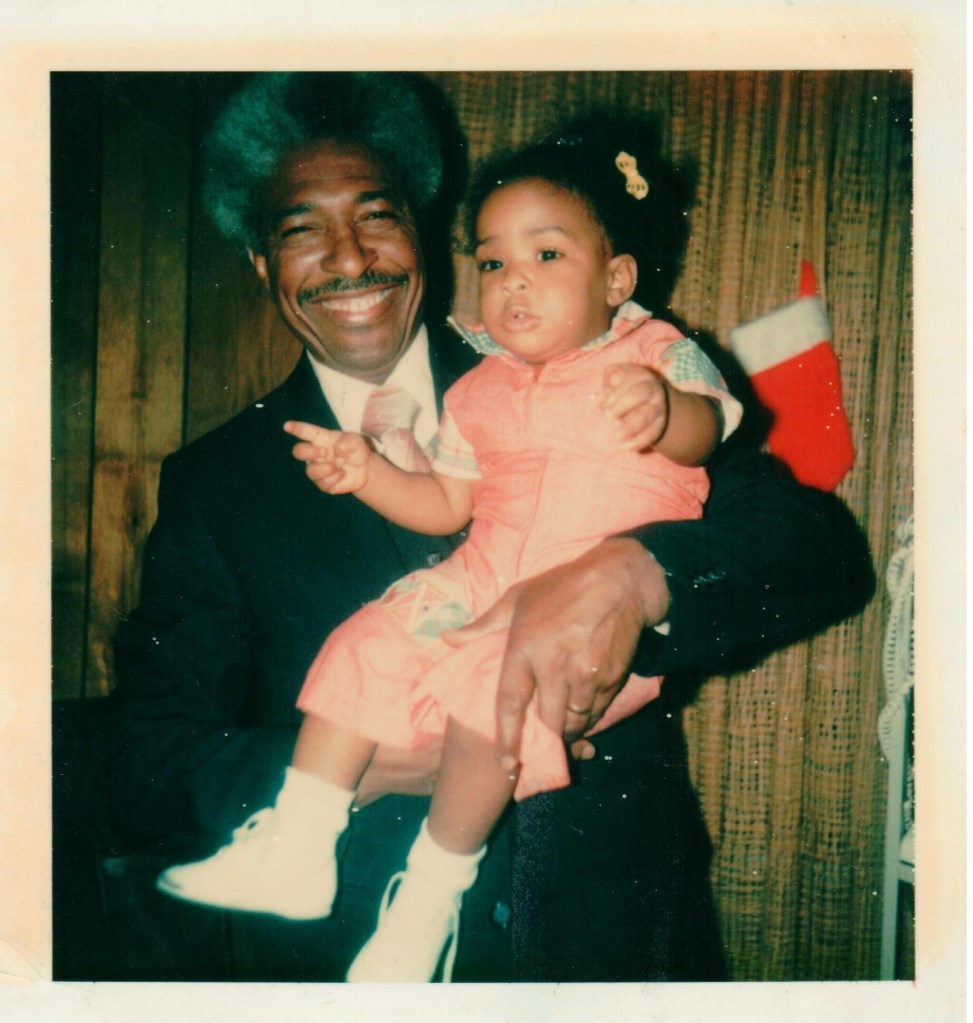
Tell me that old man doesn’t adore that little girl!
That’s me on my first birthday in my Daddy’s arms.

I went to university in another city and only visited him once a year and only at our church building. I refused to return to that witchโ€™s house ever again after I left town hours after high school graduation. Then he was diagnosed with lymphoma. I canโ€™t remember any details of that except I kept up to date with his progress through my sister โ€“ his oldest daughter โ€“ and I was able to talk to him on the phone occasionally. Even though Iโ€™d prayed for his healing and elicited prayers from my Watch-Care church, I prepared myself for his death. He was in his late 70s living with an inhumane abusive human, trying to help pastor a church while our pastor was in jail. I found a level of resolution and peace about his death, which would possibly happen during critical classes in my final year, and would alert my professors and the dean that I might miss a week of classes with little notice should he die.

Because my father was old and ill (he was healed of the cancer, but his body was worn out from the chemo) I went to visit him over Christmas break during my last year in school. Unfortunately this meant I had to go into the step-monsterโ€™s house and she had the nerve to try and keep me away from him โ€“ Iโ€™d had a lingering cough from pneumonia but was well. She and I almost fought, physically, twice during that short visit. But it was during that visit, he and I finally and truly reconciled. We shared a few poignant moments that I am very grateful for because that was the last time I would see him alive.

Before going to New Nonconnah Missionary Baptist Church in Memphis one cold Easter Sunday morning.

That Valentineโ€™s Day, a Monday, was an early day in my teaching schedule โ€“ I had to get up about 5AM to be sure to arrive at school in time. After I finished my shower, still standing in my robe, I saw my answering machine flashing. My heart fell. No one would call me at that hour unless it was horrible news. I listened to the message hoping the person would have left the details of the call in the message but they didnโ€™t. It was my sister โ€“ my fatherโ€™s oldest daughter โ€“ telling me to call her as soon as possible. That could only mean that something had happened to Daddy. I thought to take a moment and calm my breathing, maybe get dressed to feel less vulnerable but I couldnโ€™t wait to hear the bad news. She spoke with nervous energy and asked an odd question โ€“ she asked if I knew why she was calling. I suppose someone else should have called me first because someone called her to tell her what she called to relay. But no one had called and I didnโ€™t expect anyone to call me with any news about Daddy but her. And I really wanted her to get to the point. I told her I assumed it was something about Daddy and she told me that heโ€™d died about an hour or two before she called.

I told her I needed to get to the school but to let me know as soon as anyone decided on a date for the funeral so I could alert the dean and try to work something out to be at the funeral and to graduate on time. I didnโ€™t really cry โ€“ a few tears made their way through but I didnโ€™t give in to the urge to cry. I had business to take care of, like figuring out how to get to a funeral and back to class within the allowed days of absence required to pass. I couldnโ€™t break down โ€“ be non-functional – so I didnโ€™t allow grief to set in.

I went to school and told the lead teachers that my father had died that morning and that I would need to speak with the dean when she arrived. The deanโ€™s son was in my class and one of my assigned students to monitor development (no pressure, right) so I would see her when she dropped him off. One of the lead teachers interrupted me just after I said the words that my father had died and unofficially suggested I be allowed more time off and still be allowed to graduate on time. She gave me the standard 5 days that the employed teachers received as a part of their benefits and I was so grateful. I asked to stay and finish that day because I had no idea when the funeral would be. You see, there are many things that can delay a funeral in the Black American culture and I was the only black person in my whole major at that school. I hoped they were ready back home and could pull it off within that week but I didnโ€™t know.

Because that day was so exhausting emotionally, and I was developing some weird nervous ticks, I started my 5 days leave the next day, that Tuesday. I still hadnโ€™t really cried and was making my heart harder by the minute. My friends indulged me โ€“ I sort of lived those days in a weird haze, both wanting people to know my father was gone and not wanting anyone to say anything that would make me cry. And I took phone calls from various loved ones in Memphis annoyed by the fact checking of all the scandals โ€“ not only was I entirely uninterested in the drama Iโ€™d left behind for school, but I was the only person not living there so why would I know the answer to any of those questions? But I suppose that is a part of it all โ€“ what secrets did they know that I didnโ€™t and vice versa. Anyway, not quite soon enough, I was on my way to say farewell to my father.

Again, I was everyoneโ€™s concern, just as I was when my mother died. But I vowed to do some things differently with his death. I wouldnโ€™t wait on the adults to figure out what they were going to do about me. I would take care of myself as much as I could.

I refused to be a part of the funeral procession because Iโ€™d learned to hate limos since the first time I rode in one was on the way to my motherโ€™s funeral. Iโ€™d always hated following hearses and didnโ€™t want a police escort. I didnโ€™t want to ride with headlights on. So I stayed with my fatherโ€™s oldest daughter and went to the funeral with her promise to be my shield, allowing me to manage the funeral just as I wanted to. I also refused to view the body. That was the best choice I ever made โ€“ the last memory I have of him was us sitting together and laughing, having dinner. I have absolutely no memory of him dead and Iโ€™m glad. But this refusal meant I would not go into the church until the family processioned in because the service started with the casket open. My fatherโ€™s oldest daughter, all of his children in fact, were near the back of the procession. That was not where we were supposed to be but it demonstrates just how my step-monster tore us apart. Thankfully my fatherโ€™s siblings and some cousins were near the front. Some of them thought it was inappropriate that they sat in front of us but I didnโ€™t care. I only wanted family up there and not just church folk holding step-monster up.  In fact, they didnโ€™t even know I was there until I went to speak on behalf of the family. Yes, I was on the program. No, none of the people who wrote the program told me. These were also people who claimed to be unable to find a phone number to call me and let me know my father had died. My sister let me know I was on program, thankfully, and I was able to prepare.

The funeral was not until the following Saturday, and he wasnโ€™t buried until the following Tuesday. I returned to school that Sunday, missing the burial. I had a degree to get and no more grant and scholarship money. I managed to only need a loan for a semester and a half and I would be damned if I had to repeat a semester for a burial service. And honestly, I believe my father would have understood and even encouraged me to get my degree under those circumstances. Iโ€™ve always felt that the burial was the worst part of any funeral โ€“ dropping the body of your loved ones into freshly dug ground feels cruel. Thatโ€™s not particularly logical, I know, but itโ€™s how I feel.

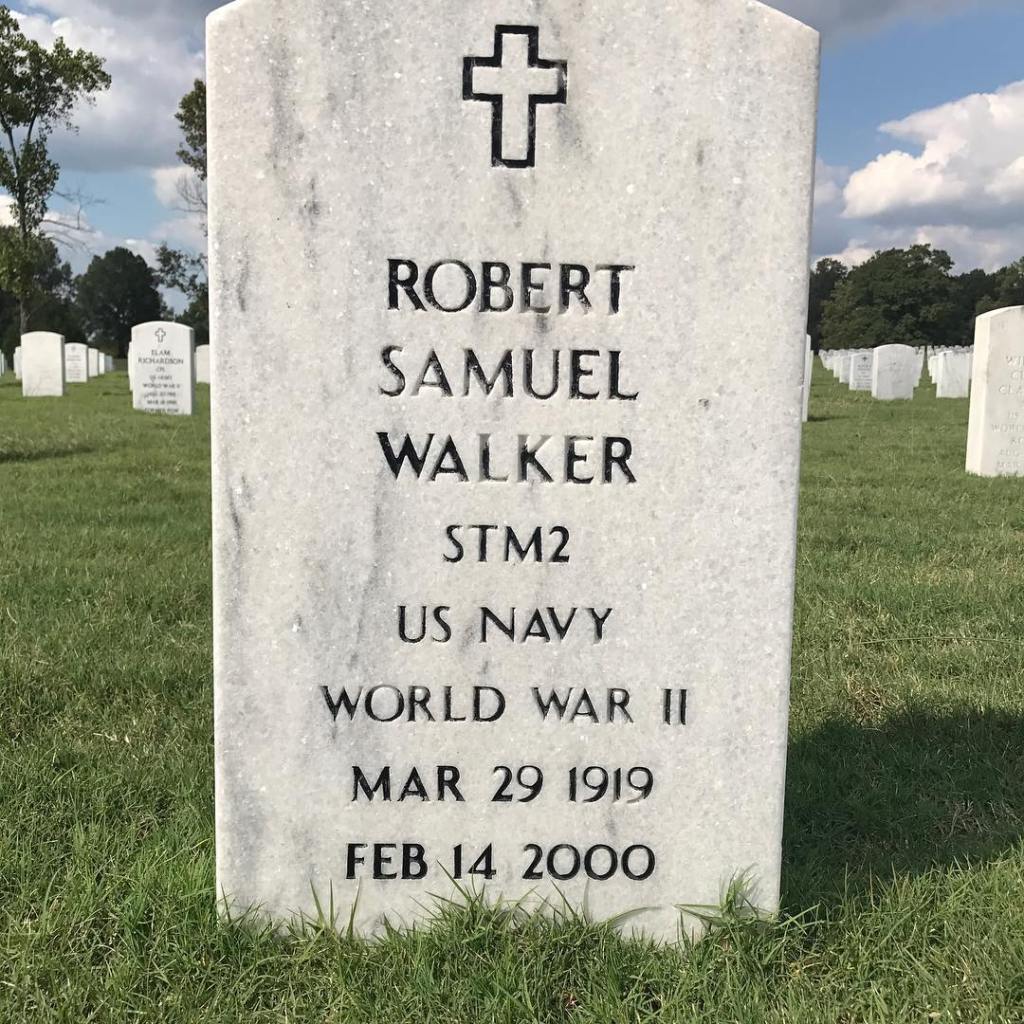
It would be more than 17 years before I went to the cemetery where my father was laid to rest. I felt so much peace.

The first Valentineโ€™s Day after he died I was furious and found myself feeling that way every Valentineโ€™s Day after that. I thought Iโ€™d handled the situation well but in reality there was still a bunch of feelings just swept under the carpet. The refusal to grieve my father until I got my degree really meant refusal to grieve for much longer than that. The reminder that the ex who Iโ€™d once dreamed of marrying was not the right guy โ€“ he called the day Daddy died, not to offer condolences but to seek sympathy for the โ€œsaddest Valentineโ€™s Day of his lifeโ€. The inappropriate men taking advantage of my vulnerability by hitting on me at the funeral and during the repast. The guilt I felt for having essentially abandoned much of my family simply by trying to abandon my father and step-monster. And I never knew I hated Valentineโ€™s Day until then.

Men coming out of the grocery store with bouquets, heart-shaped candy boxes, and pink and red balloons pissed me off. And I wasnโ€™t quite sure why. High schoolers getting on buses with giant teddy bears pissed me off. And I wasnโ€™t quite sure why. I asked myself if it was because I didnโ€™t have a โ€œvalentineโ€ that day but that didnโ€™t ring true to my emotions. Valentineโ€™s day had never been a big deal to me and I had never received anything that felt significant from any boyfriend Iโ€™d had on valentineโ€™s day. Even my secret admirer valentineโ€™s day gifts were blah โ€“ I would have preferred to know who the admirer was rather than have a secret gift. So I blamed it on my Daddyโ€™s death. It was easy to do โ€“ after all, he died on Valentineโ€™s Day.

When I was young Valentineโ€™s Day meant cardboard valentineโ€™s cards, candy, and a day at school that ended with a party or a dance. Then as a young adult Valentineโ€™s Day meant my daddy died. But now as a not-as-young adult, Valentineโ€™s Day doesnโ€™t mean anything at all. You know how I know? I literally forgot all about it. I didnโ€™t send out social media greetings in memory of my father. I didnโ€™t send any gifts to family or friends nearby. I didnโ€™t even send myself flowers or buy any candy. When was it, Sunday? Yeah, just a regular old day.

I used to like February 14th. Then I didnโ€™t. Now itโ€™s not so bad.

3 Min Read, Donna Maria Thomas-Walker, grief, Holidays

I am Regina Lynette. I hate December 26th.

I am prone to complicated metaphors. To follow this one, you will have had to have broken a glass on your kitchen floor before. If you havenโ€™t, there are some important things to understand. Shattered glass is tricky. It breaks in large chunks and tiny pieces. Those with experience cleaning broken glass can often manage it without injury. Large chunks go first. Tiny pieces are carefully sought out and picked up with care. And you wipe and sweep and vacuum and mop and wipe and sweep and vacuum and mop again hoping that youโ€™ve gotten everything up. Somehow you know one little shard was missed and you announce to the household that a glass was broken in the kitchen so that everyone takes care. Hard soles are worn for days in the kitchen to protect feet from cuts. And just as soon as everyone forgets about the broken glass, someone not wearing shoes steps on the last missed shard and bleeds. It is never in the place where the glass was broken but usually somewhere odd โ€“ it either ricocheted across the room during the break or was moved by all the wiping and sweeping and vacuuming and mopping.


A child at my church was killed one Christmas Eve. She was younger than I by a few years. Her parents had recently divorced, and she was spending that holiday evening with her father. Sheโ€™d asked to sleep in his room, but he sent her to her own room to be a big girl. Later that night a truck slammed into the house near her room and killed her instantly. It was so horrific that our household was not filled with the usual cloudiness of grief and compassion for others but a foreign inability to comprehend the news. What must that family feel? What does that kind of trauma do to a family that is already smarting from the recent divorce? How do they go on? And do they celebrate Christmases going forward at all?

Then I lost my mother a few years later on December 26th. That following year I remembered thinking about the questions we had about that family whoโ€™d experienced a traumatic loss right at the Christmas holiday โ€“ if theyโ€™d ever celebrate Christmases again. We were quickly approaching my nephewโ€™s first Christmas and of course weโ€™d celebrate Christmases again โ€“ life moved forward regardless of who came along with us.

One can never be adequately prepared for loss, but the accompanying shock and bowlful of mixed reactions is expected and well attended by loved ones in your community โ€“ particularly the elders of the community who come and see about your immediate needs. But what Iโ€™ve never witnessed is anyone taking care of people in the aftermath of loss. Once youโ€™re sort of standing on your own, no longer hunched over in sobs and listless with grief you are often left to figure out the rest of your life on your own.

Exactly one year after my mother died, I woke up in my sisterโ€™s house to silence. It wasnโ€™t particularly unusual to wake up to silence, but this silence felt eerie. As I sat up in bed trying to understand what I was feeling, it dawned on me โ€“ I expected that everyone would be dead. I donโ€™t mean everyone in the house. I mean everyone in the world. I was old enough to know that was an irrational thought, but it paralyzed me in the bed. After a while, I heard life sounds and I knew everyone in the house was accounted for and was able to continue about my day as usual. I would not feel that kind of fear again until the following December 26th. And I would continue to feel that fear every December 26th.

After seeking professional therapy for the trauma associated with the loss of my mother, December 26th wasnโ€™t as bad. I didnโ€™t expect that everyone in the world was dead, but I did still spend some part of the early morning reminding myself that my thoughts were irrational and even if someone did not wake up that day, I would be able to survive it. It usually happened when there was only one person who slept later than everyone else so I would just wake them up if I couldnโ€™t console myself.

This year I woke up late on December 26th. My tummy woke me up, finally ready for a meal that was not chicken wings and I got up to make breakfast. Just before I went downstairs to the kitchen, I realized that I didnโ€™t have that annual December 26th fear. There wasnโ€™t any feeling at all โ€“ it was a normal day as it should have been โ€“ and I went downstairs to eat. A few minutes later, everyone else in the house emerged from bedrooms and I was so grateful that I hadnโ€™t even been listening for life sounds that morning. It was a perfectly normal day. It even dared to be sunny and warm.

But I still hate December 26th and I spent the day with a general I-donโ€™t-feel-good funk. Maybe it was grief. Maybe it was because Iโ€™d eaten my weight in chicken wings the day before.

I am Regina Lynette. I hate December 26th.

10 Min Read, Donna Maria Thomas-Walker

I am Regina Lynette. I was the one who found her.


My memory of the last quarter of 1989 is a bit spotty now as I have suppressed some details that were hard to process at the time. The piece that is perhaps most critical to this story is that my mother, in the doctorโ€™s words, โ€œliterally blew her topโ€ while we were out of town visiting my sister. Her blood pressure rose so high that she had a seizure, and she was hospitalized until it lowered some. When we eventually returned home, we were vigilant about her salt intake โ€“ the only factor we were aware of in our limited education that would affect her health. Somewhere in those weeks I had my thirteenth birthday (which I do not remember celebrating at all) and a stomach virus. I was feeling better by Christmas Eve 1989.


On Christmas Eve 1989, I baked sugar cookies with red and green sprinkles. No one had the โ€œChristmas Spiritโ€ and I was trying to rustle up some cheer. My sister was having a challenging first pregnancy and was on the other end of the state. My brother was having other challenges โ€“ I donโ€™t recall what and donโ€™t remember where he was; just that it was a long-distance call and I knew where to find his phone number. They were both married and โ€œthe kidsโ€ were now adults and had their own lives to deal with. Logically we all understood that we werenโ€™t central to their lives anymore. But we all felt the absence because this was the first Christmas that no one was coming home.


Daddy had been at work on his part-time security job and returned home tired and cold. We spoke briefly and he went to his room. Mommy was relaxing on the couch watching television when I went to ask Daddy if he wanted any cookies. I walked into his room, called his name, but he didnโ€™t stir. He didnโ€™t look right โ€“ slumped over with a book falling out of his hand. It scared me and I called his name again much louder. He found his way out of his slumber and answered. I asked if he wanted cookies, said something about regretting waking him up, maybe even told him to go back to sleep. I ran back to the kitchen and prayed โ€“ โ€œDear God, please donโ€™t let my daddy die.โ€ I wiped the tears that were falling and pretended to be tired and went to bed.


Christmas arrived rather uneventfully. I remember getting a Juicy Fruit watch, a Nintendo game (I donโ€™t remember which one), and Karyn Whiteโ€™s self-titled debut album on cassette. I spent the day learning all the words to โ€œSuperwomanโ€ and playing whatever game I got. Apparently I got some cash because Mommy and I planned to go to shopping the day-after-Christmas sales. And later that night Daddy left to work an overnight shift.


When I woke up the next morning, I remembered having a dream that featured Malcolm Jamal Warner and smiling because I had a crush on him. I lay back down almost hoping to catch the rest of that dream and then a series of events occurred that under other circumstances would mean absolutely nothing. Daddy came home and I remember thinking he was making too much noise. Mommy liked to wake up naturally, not from other peopleโ€™s living sounds. He went to the back of the house for a moment and when he returned to the kitchen he asked me if Mommy had been up and I said something about leaving her to sleep late. Then the dryer buzzed letting us know that the clothes were dry. Daddy asked me to check and see if that woke up Mommy โ€“ which was a bit weird โ€“ and I dismissed it, told him it wasnโ€™t that loud. Then the phone rang. I purposely let it ring too many times hoping she would answer โ€“ usually by the second ring because she couldnโ€™t stand to hear it. When she didnโ€™t answer, I picked up just before the answering machine would have picked up and answered it. It was a follow-up call from the doctor about the virus Iโ€™d had. And after I hung up, I tiptoed toward Mommyโ€™s room and peeked inside. I thought she was sleeping but I decided to try and wake her up. She didnโ€™t.

I was the one who found her.


I called for Daddy. I picked up the phone to dial 911 while Daddy turned her over. I hadnโ€™t dialed 911 โ€“ just held the phone – so I asked if I should and Daddy said he was afraid sheโ€™d passed. My brain didnโ€™t accept that so I called 911. Funnily enough I recalled my training in school every year from Kindergarten until that day about calling in emergencies and the script didnโ€™t go exactly as weโ€™d rehearsed. I often recall strange specifics like that.


I remember the paramedics entered from the front door, which we seldom used. I remember they went to her bedroom and I ran to the kitchen again to pray. My prayers this time were bargaining โ€“ I promised to go to every church service and pray everyday and read my Bible or something if my Mommy was okay. As soon as I said, โ€œAmen,โ€ the paramedics confirmed she was gone and had been for a while.


I was the one who found her. So I was expected to report on her last movements, her position when found, and other things that made my brain give me amnesia. It was already trying to erase the images and details. Because I was the one who found her.


Neighbors were in and out of the house uninvited, drawn in by curiosity of an emergency vehicle at the house. I was spinning. My father became both silent and formal with the neighbors and getting instructions from the paramedics. And I didnโ€™t know what to do with the feelings I had. I was the one who found her.


After the body was removed from the house, I called my Godmother, Lucy Bell, first. She was closest and most important. She could do what Daddy couldnโ€™t which was give me something I didnโ€™t even want from him โ€“ make me feel safe. But her mother answered the phone and told me that she wasnโ€™t home. Her mother was the first person I told that my mother died. I remember she kept saying โ€œNaw! Aw naw! Naw!โ€ I didnโ€™t have time or energy to penetrate her shock and disbelief, so I just told her to pass on the message and I dialed my sister next.


My sister was far away but she was the next person I wanted near me. Now, I donโ€™t recall what I said to her on the phone. I know I said the same words to everyone I called โ€“ Mama died โ€“ but I donโ€™t know what else I said. I remember that every time I said it, I looked at Mommyโ€™s room. Somewhere during or right after that call my Godmother had taken me in her arms. She didnโ€™t call me back but ran to the house as soon as she got the news. I went limp. It felt wrong. It was exactly what I needed and wanted and at the same time it was wrong. I donโ€™t think weโ€™d ever really hugged before. I returned to the task of calling the people who needed to know immediately.


My brother was next. I know that I said, โ€œMama diedโ€ and I know that he kept saying โ€œWhat?โ€. I know that I said it maybe three times and each time he responded the same way. So my Godmother took the phone. โ€œVictor, Victorโ€ฆ.Viโ€ฆโ€ and I heard him yelling unintelligibly. The phone was returned to me. I donโ€™t remember much else of that conversation.


I donโ€™t remember if I called Mommyโ€™s brother then, but I remember that shortly after my Godmother arrived there were too many people in the house. There was too much noise. I was angry with my father because I knew he couldnโ€™t give me what I needed. Church folks were arriving โ€“ Deacons were sitting with him and it pissed me off. I wanted the ones who were supposed to comfort me and walk beside me through those initial moments. My Godmother was trying to take care of some business of some sort and I felt a shift in my emotions and in my mental state โ€“ I had to get out of that house. It still happens to me that way, usually when there are too many people around. My skin itches and the air seems to dissipate out of the room and respect and consideration of others be damned โ€“ get out of my way, literally, because I am getting the hell out of there by any means I deem necessary. I told my Godmother to get me out of the house. Nothing was happening quickly enough and people thought it was better that I stay at the house. So I screamed until my Godmother heard me โ€“ I mean really heard that I needed to get out of that house. And unfortunately someone else said, โ€œCome on and go to my house with me.โ€ It did not feel like a rescue. It felt like a last resort. And so I went with another church member and stayed away until my sister arrived in town.


Mommy died the day after Christmas and her funeral was about 3 days later. And somewhere in all the confusion, no one could hear me. Whenever I said words people didnโ€™t respond. Could I have been mute thinking I was audible? I donโ€™t think so because everyone was whispering about me practically non-stop. They had to see me. They just couldnโ€™t hear me.


Of all that was said, the thing I held on to was โ€œsheโ€™s the one who found herโ€. I was the one who found her. I was the one who found her. That was to me the most cruel part of the circumstances surrounding the most traumatic event of my life โ€“ nothing has touched it in 30 years and I find it hard to imagine that anything will ever top it. But I should have been wrapped in the cocoon that the adults in my life always kept me in when this happened. I should never have been on the frontlines. I should have been one of the people getting the news, not the one delivering the news. There should have been the right people, ready with tissues, telling me the right words, and holding me while I absorbed the shock and my body grieved.


I was the one who found her and for the next several years whenever I had to identify my mother, who died, I added as if it was part of my name that I was the one who found her. If I wore my first name like a diamond tiara, I wore this label like a crown of thorns. It would be decades before I removed that crown of thorns and chose my own name and identity.


I am Regina Lynette. I was the one who found her.