15 Min Read, Donna Maria Thomas-Walker, Family, Mental Health, Parenting, Teaching, The Mothers

Looking for Donna, I found the seeds of my life’s dream in her garden.

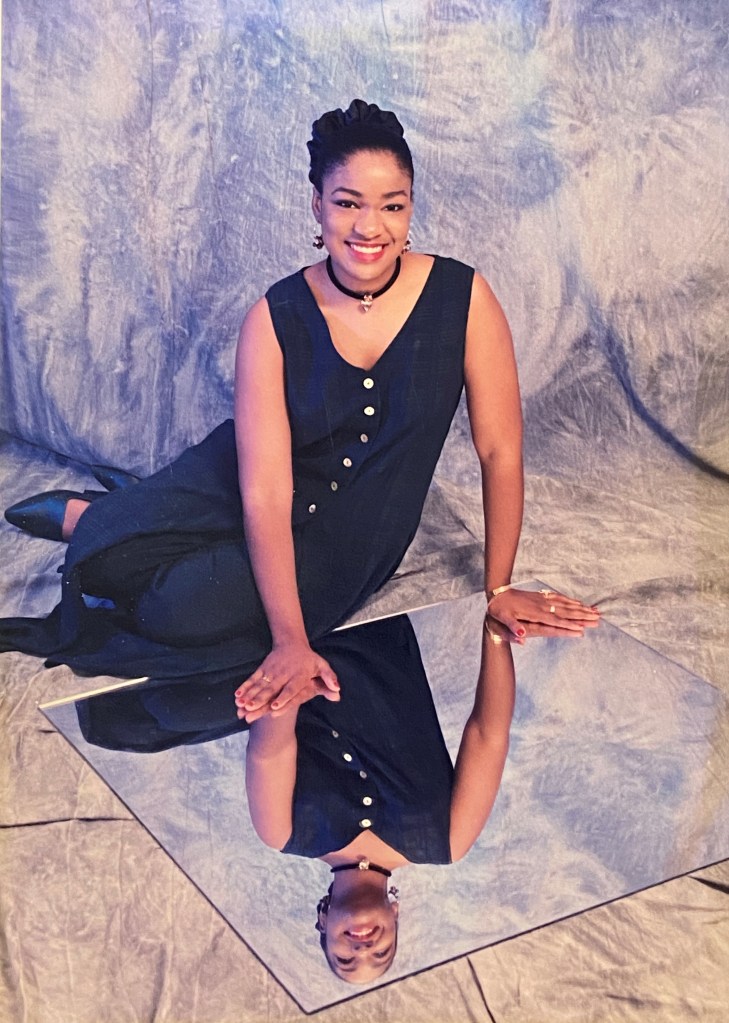
I am Regina Lynette, daughter of Donna Maria. And I have been searching for myself in my mothers’ gardens. It turns out that Mommy made me want to be a good wife, a great mother, and to homeschool my children while effectively managing my household.

Mommy was strong and independent, courageous and strategic, and determined to make her life better after every choice that she considered less than ideal. Even though she chose to marry a physically abusive man in her very early 20s, she made a better choice and left him. Even though my older siblings were latchkey kids far too young and were basically unsupervised after school because she was working several jobs to provide (food, shelter, and a Christmas performance at levels that I would never experience), she was heavily involved in my education and I was never home alone after school. I had assistance with homework and projects, and she planned out my educational path up to high school graduation with the understanding that college would follow. I had my marching orders as far as my education was concerned and I learned from her the power of demonstrating and documenting your intellect. By the way, I would never have known my older siblings didn’t have the same hands-on support from Mommy – they both exceeded my educational achievements leaving me to wonder if I would have been a disappointment to my parents.

Mommy had a natural aptitude to many things and though she dropped out of school after her first year of college, she was very intelligent. Her lack of a degree (and whatever other influences) stressed to her the importance of my educational goals, which she infused in my every thought and action from my earliest memories. She praised me and made me feel like I was the smartest person in the world with every academic or intellectual achievement no matter how small. She sent me to daycare (I didnโ€™t do pre-school) with her own learning assignments for me โ€“ things she wanted me to already have achieved before starting kindergarten and considering I would be older than the kids in my classes (my December birthday meant I started Kindergarten at 6) she wanted me to stand out. Thankfully, the teachers and caretakers took her seriously and I was learning things no other kid my age (in my educational bubble) knew. I was reading at age three and she seemed to believe that meant I knew every word that existed. Car rides were filled with my reading every word visible โ€“ states on license plates, signs, street names, and everything in between and out. When I pronounced the ‘T’ in Chevrolet or the last “S” in Arkansas, she giggled, corrected me and we had a whole conversation about words that had silent letters – which I thought made absolutely no sense. She always tried to teach me grammar and spelling hints or rules if it applied to whatever on-the-spot learning occurred while running errands.

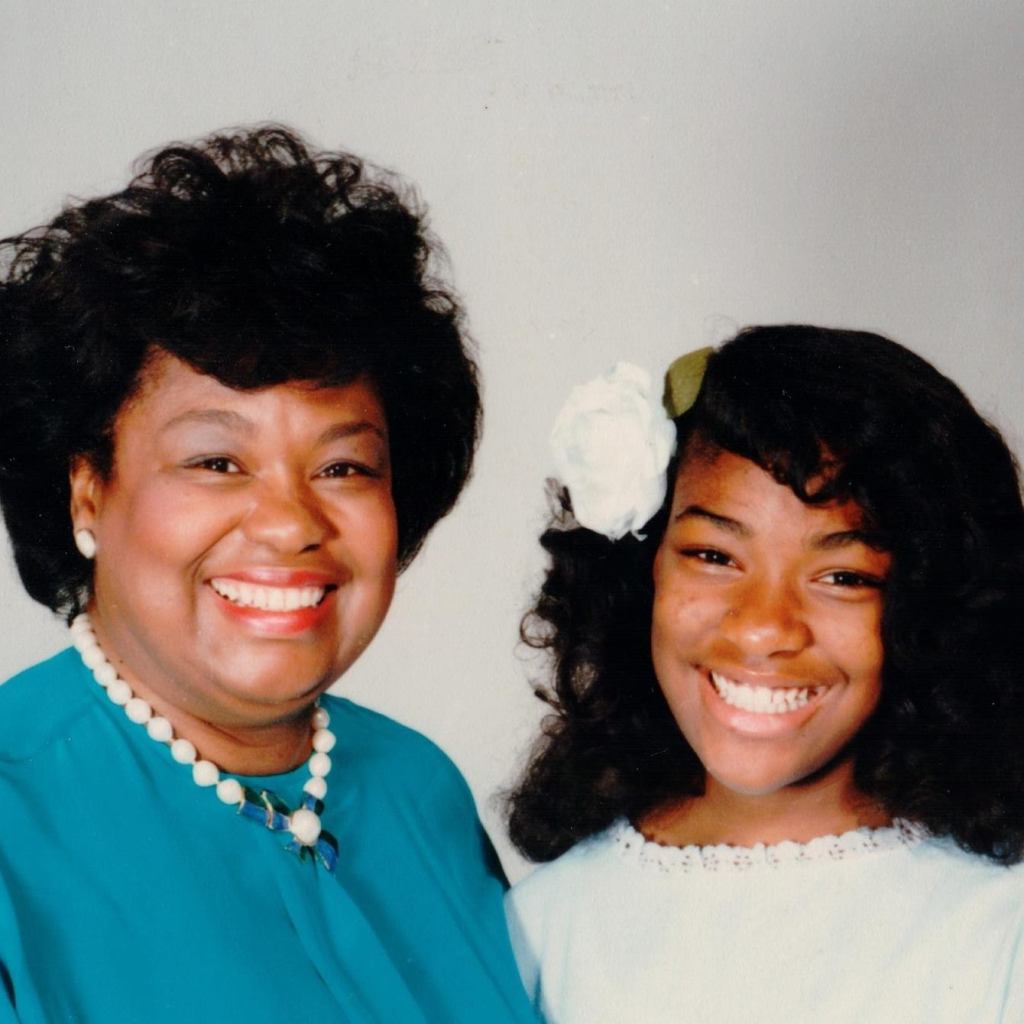
Me at three. God was merciful with those edges over the years.
He allowed me to keep ’em and they’re pretty strong, but they won’t lay down for all the relaxer, hot combs, and edge control in the world.

She took a great interest in my lessons and drilled me on concepts outside of the school curriculum โ€“ an expansion of the lessons. And when it was obvious that I was more advanced in some ways than my classmates in my neighborhood public school, she set about making a plan. I remember when she outlined her plan. She wasnโ€™t talking to me directly but I was in the room and somehow I knew she was also telling me the plan and giving me directions. She was venting about my schools and how absurd the curriculum and teachers were and I felt intimidated โ€“ she thought I was the best – and I was at the top of my classes academically and physically (everyone thought I would surely be very tall but apparently I just got all my height early) – but I had doubts that I really was as smart as she thought I was and the idea of disappointing her worried me. She was upset that I wasnโ€™t allowed to choose a book above my reading level in the school library so she took me to the public library for my reading where she approved of my books โ€“ which had to be above my current reading level. (She would have me read a couple pages and if I got through it too easily I had to find something harder.) She was utterly appalled when she found out I was allowed to administer spelling tests in second grade because Iโ€™d make perfect scores on the pre-tests (a quiz on a list we hadnโ€™t been presented with or studied in class beforehand). My teacher didn’t know that with my parents I studied my whole spelling book in the first couple weeks of school, noting the words I didnโ€™t already know and studying them. My teacher asked me how I managed a perfect score on words I supposedly had never seen before. She was disappointed to know I studied ahead of the current lesson at home – like I was cheating in some way. She proceeded to drill me on the hardest word in each lesson going forward until I missed a word. Then somehow she seemed both pleased that I missed a word and that I knew almost all of the words (but how could I know what she was feeling since she didn’t say and I didn’t ask).

The first three years of my public school education were spent at Fairley Elementary School.

By the time I was starting third grade Mommy used someone elseโ€™s address to get me into a school that had an Optional Program (honors classes) โ€“ something another parent she knew suggested to get my foot in the door. I was tasked with checking in with my teacher on what it would take for me to be moved to an optional class as soon as possible โ€“ because another kid we knew was moved to an optional class early in the first semester and I wasnโ€™t when she was certain I should have been. And we wouldnโ€™t have to use someone elseโ€™s address if I was in the Optional Program so quicker was better. Mommy wrote letters to my teacher and insisted that I beg her to move me to an optional class, press her to give me an anticipated date when I could move. She even wrote to one of the teachers in the third grade optional classrooms. My second semester of third grade I was tossed into an optional classroom and suddenly my superior academic prowess dimmed significantly. The children in that class seemed eons ahead of me and they laughed when I didnโ€™t know something while the teacher was exasperated and had no patience for me or interest in my catching up to the rest of the class. But Mommy would not be daunted โ€“ she assured me I was both worthy and able to keep up, and I did. I did it because she believed I could. In hindsight the teachers probably were annoyed with Mommy’s persistence.

At Oakshire Elementary School, I was constantly scared of failing and of achieving at the same time. In the Spelling Bee, I purposely misspelled my word because I didn’t think I should know that word. And I also didn’t want anymore pressure – I only wanted to go sit by my mother.

By this time, Mommy had planned my grade school educational path through a number of schools rated higher than my neighborhood schools on through high school graduation โ€“ I guess she was still considering colleges at the time. The only detour I made from her plan happened after fifth grade. The school system decided to take all the schools’ individual Optional Programs out and put them in one school, grades K through Freshman level (because it was Junior High rather than Middle School back then โ€“ 9th grade has since been moved to all high schools). I was tasked with checking in with my fifth-grade teacher regularly when Mommy found out about that school because the first class of students for each grade had to be recommended by a teacher. With all the schools in the system, this new school would only have two classrooms for each grade, limiting the number of students who could attend. After that first year, students would have to test into the school. Fortunately, this teacher believed in me very early on and worked along with Mommy to make sure my grades supported her recommendation. When Mommy had me ask her specifically and plainly to recommend me for the school, my teacher told me I was already on her list and she actually beamed at me.
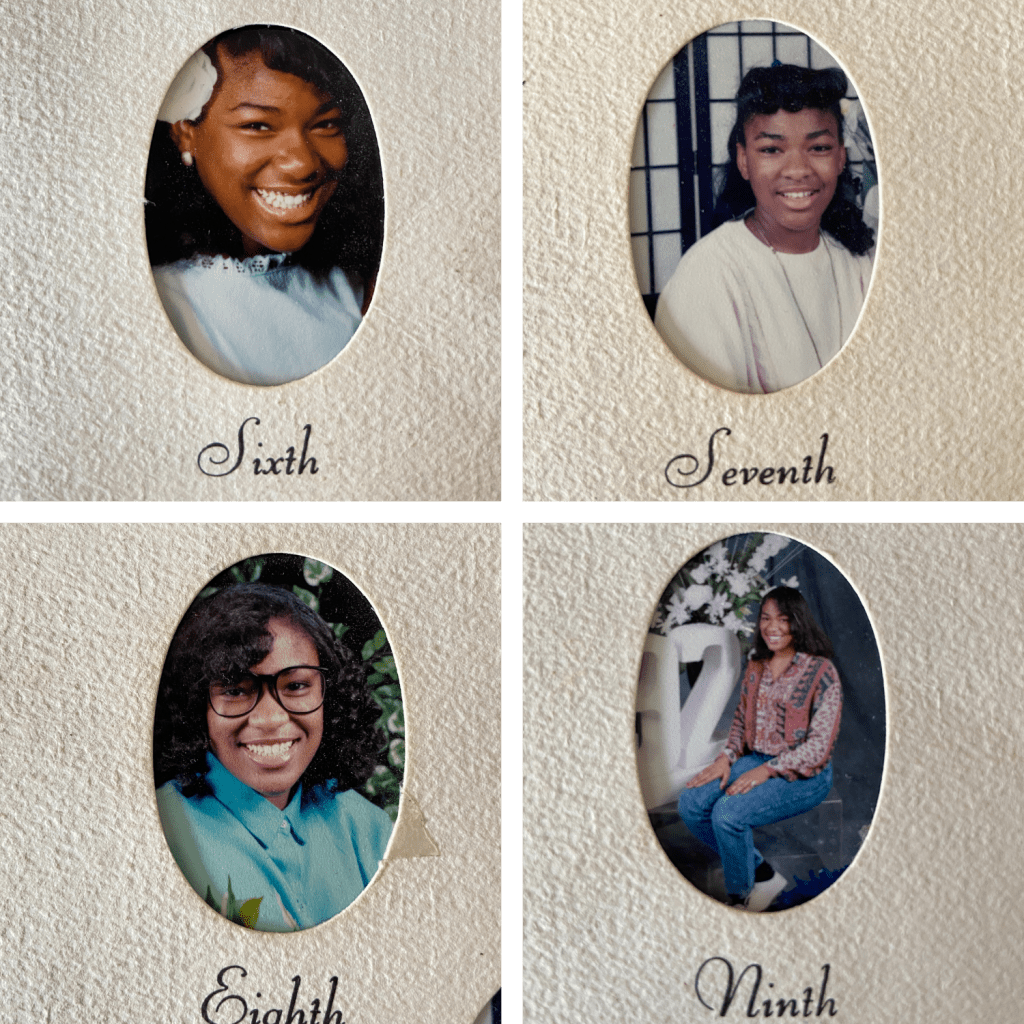
I was proud to be in the first classes at John P. Freeman Elementary and Junior High School. My confidence in my intellect bloomed and crossed into arrogance. I also began noticing boys in 7th grade. I was driven to distraction by the smart ones. I guess you could say I came out as sapiosexual.

While I was at this new school, feeling especially smart, Mommy talked to her brother in California about his job path โ€“ which all I knew was that it had something to do with computers which sounded fun โ€“ and determined that I would follow his footsteps to getting a good job in a good industry. She had been watching me from younger years when I first saw a computer at her friend’s house. We called on one of her work friends in the days when I needed a sitter who just happened to have a computer at home that I spent hours exploring. When she saw I was excited about it she was certain computers would be my life and I got a computer with a programming book (because what small child interested in playing computer games doesn’t need to know computer programming).

Mommy died before I went to high school but with a sister working at Mommyโ€™s designated high school for me and with the ability to continue in honors level courses there was no issue with my attending that high school. I was even wise enough to quiz my junior high guidance counselor on how to ensure I was able to attend the school so Iโ€™d be prepared โ€“ I had learned from Mommy how to make sure I was doing what I needed to get to the next level we wanted rather than allowing other people to decide what my next steps were.

Iโ€™m certain I would have continued to prosper academically if she had lived beyond my high school graduation. I probably would have continued to prosper academically in high school if my father hadnโ€™t married my step-monster. But living with an abusive monster while emotionally abandoned by my father who had remarried before I could even get a grip on grieving my mother, and the deep depression that followed (undiagnosed) made all things school a struggle. I nearly wrecked my entire grade school academic career with my last semester of high school.

At Memphis Central High School I completed my grade school education and prepared for college, making progress on Mommy’s educational goals for me without her direct hand for the first time. I graduated with a major in Computer Science and a minor in Mathematics in high school.

I tried to follow the Computer Science educational path in college, but I remained drowning under water through all five years I was in undergrad, starting out on academic probation my second semester (thus five years in college rather than four). Eventually during the course of those five years I changed my major to one that my family found quite disappointing. Regardless of the academic struggles, I self-identified as smart and carried myself accordingly. When I didnโ€™t know something, it upset me. Whoever introduced this idea that I didn’t know or understand would then be interviewed until they were exhausted so I could learn this thing I didnโ€™t know, and I wanted them to provide resources to make sure I was learning the right thing. When someone assumed I didnโ€™t know something I was arrogant. โ€œThe audacity, the unmitigated gall that you would assume I wasnโ€™t as smart as you?โ€ And Iโ€™d roll out a stream of information on whatever the topic was โ€“ even if I wasnโ€™t sure about it or knew it wasnโ€™t entirely accurate โ€“ and dare you to think less of me ever again. Those who were arrogant about it, clearly needing to assert themselves over me were usually dismissed. Those who continued to present ideas and concepts whetted my appetite for learning more and more about that topic.
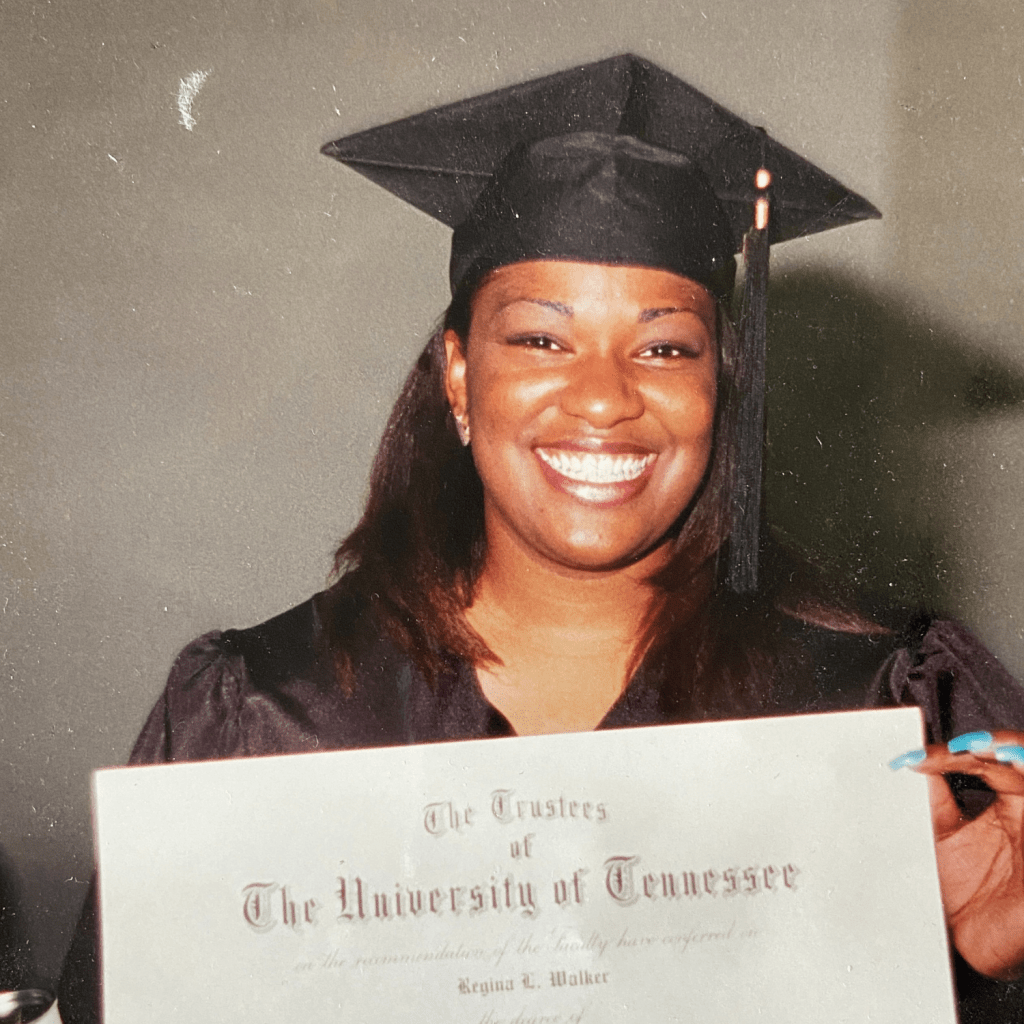
By the time I graduated from The University of Tennessee at Knoxville I was exhausted with school and thought I was going to make a difference in some other child’s life, ensuring that they not only got a great education but that they enjoyed the process and made their own choices in guiding their path.

This brings me to the harvest I reaped from Mommy’s garden, seeds I’m not sure she knew she planted. She was home with me for at least half of my years guiding and supporting my educational path. I remember at a very young age determining that children needed their parents at home for them after school because you couldnโ€™t trust their education to any school system. While I was in college, I dreamed of having babies (birthing or adopting or fostering) and homeschooling them. I crafted a learning path in college dedicated to equipping me to be a good wife, a good home manager, and a great mother – in addition to early childhood education and child development I chose courses in family systems, interpersonal communication, and literature for children. That desire is consistently in my heart, surfacing in various manifestations daily, always and unfortunately as a dream deferred. Weโ€™ll talk about how I feel about Godโ€™s apparent plans versus mine (and Mommyโ€™s) another time.

I am Regina Lynette, daughter of Donna Maria, daughter of Dorothy Lee, daughter of Odetta, daughter of Peoria.
10 Min Read, Donna Maria Thomas-Walker, Family, Parenting, Relationships, Robert Samuel Walker, Smart and Pretty, What's In A Name?

I am Regina Lynette, daughter of Donna Maria.

In the year 1889 in the perfect month on the perfect day, Peoria was born in Arkansas. Twenty years after her birth in 1909 in the perfect month on the perfect day, Peoria gave birth to Odetta in Arkansas. While Odetta was yet 16 years old, she gave birth to Dorothy Lee on October 31, 1925 in Memphis, Tennessee. Dorothy Lee was also 16 years old when she gave birth to her daughter, Donna Maria on September 16, 1942 in Memphis, Tennessee. And when Donna Maria was in her 33rd year of life, she gave birth to me on December 12 in Memphis, Tennessee. I am Regina Lynette, daughter of Donna Maria, daughter of Dorothy Lee, daughter of Odetta, daughter of Peoria.
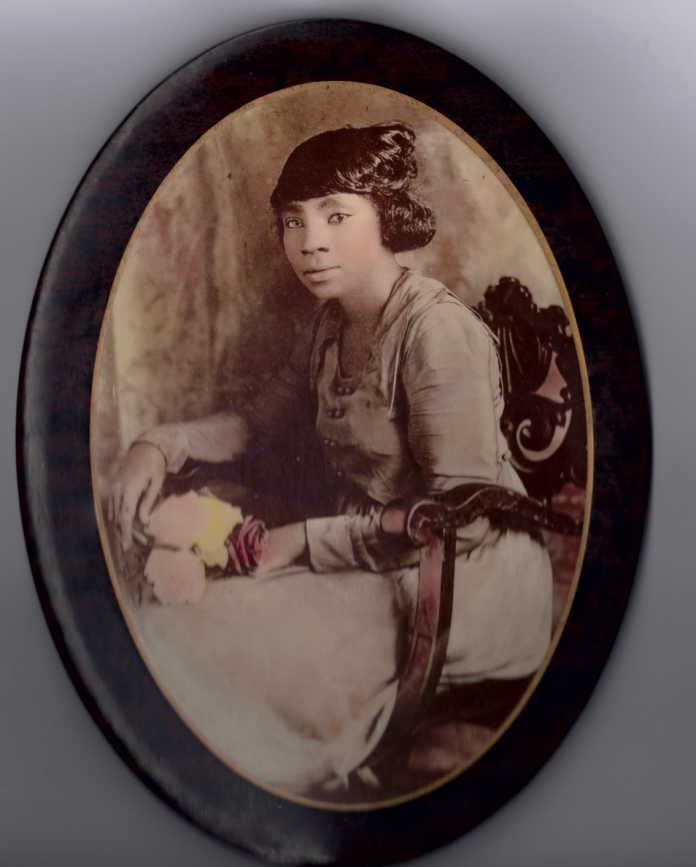
Peoria Cox {circa 1889 โ€“ December 10, 1945}; Mothers unkown

My mother told me who this was when I was a child, but I regrettably do not recall what she said. For many reasons, I have made a guess that this is Peoria. I have no way to know if thatโ€™s accurate but until I get different information, the person in this photo represents Peoria, my motherโ€™s great grandmother.โ€


Peoria, who gave birth at 20 years old to Odetta, lost that girlchild a mere 31 years later to apoplexy due to interstitial nephritis. Peoria was presumably involved in her granddaughter, Dorothy Leeโ€™s, life until her own death on December 10, 1945, of cerebral hemorrhage due to unknown causes. Peoria outlived her daughter โ€“ my mother often said that losing a child was the worst pain in the world so I declare that Peoria survived the worst pain that life could dish out. Dorothy Lee, who lost her mother at 14, gave birth 2 years later without her mother. I declare that Dorothy Leeโ€™s losing her mother as a young teenager was something incredibly difficult because losing my own mother as a young teenager was incredibly difficult. Donna Maria was born without a grandmother. She was but 3 when her great-grandmother died โ€“ who we only presume was involved in her life. But Donna Maria outlived her mother, Dorothy, who died of cancer while Donna was 42 years old. I would not know Peoria existed until I was an adult and even then, she was only a name in a baby book and on a death certificate. I did not know that Odetta Cox existed until I was in college and at that time she was only a name in an email provided through my uncle from a distant cousin, a name in a baby book and a name on a death certificate. I knew of Dorothy Lee but never met her before her death when I was 8 years old. I lost my mother from a heart attack about 5 years later, 2 weeks after my 13th birthday.

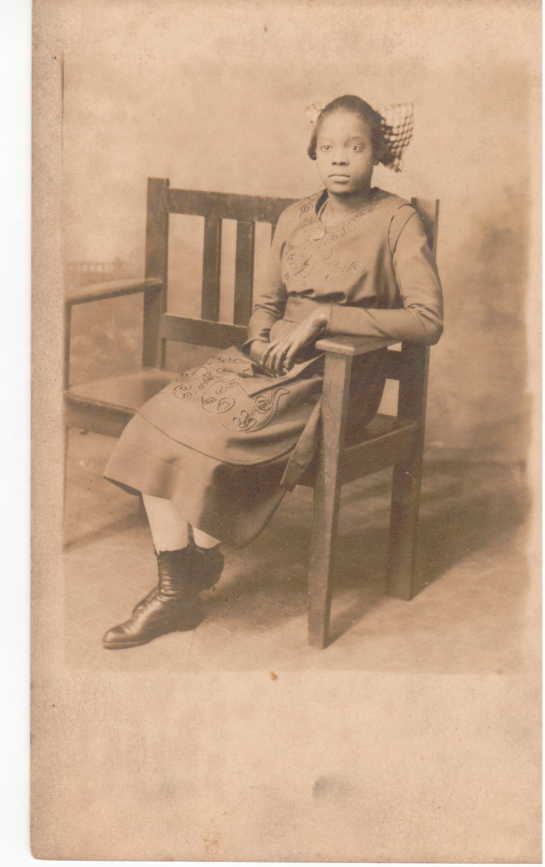
Odetta (Cox) Thomas {circa 1909 โ€“ March 24, 1940}; Daughter of Peoria Cox

I am not certain that this photo is my great-grandmother but based on a relatively reasonable deduction, I think this is Odetta.


My maternal ancestry can be traced back to the Bamileke (a corruption of the name) People of Cameroon and this has been guaranteed accurate from Odetta. Where did that heritage die out? Did Peoria โ€“ who is not guaranteed by our DNA testing to be from the Bamileke People of Cameroon – pass down any traditions, rituals or recipes to Odetta? Dorothy didnโ€™t live her entire childhood with Peoria and Odetta so would she even have been passed down anything of her maternal line? Was our heritage completely wiped out by the ins and outs of slavery leaving Dorothy, her mother and her grandmother to have little to pass on? I donโ€™t know. Iโ€™m left to put pieces together from birthdates, death certificates, and general world history. Peoria was born a free woman but her mother would have likely been born a slave and then freed by the time Odetta was born. I have no details for Peoriaโ€™s motherโ€™s history โ€“ not even Peoriaโ€™s maiden name. I am happy to know my mothersโ€™ names from my great-great grandmother. But I know very little about their gardens because 2 weeks after my 13th birthday, they were all gone.

How simple a thing it seems to me that to know ourselves as we are, we must know our mothersโ€™ names.

Alice Walker, O Magazine, May 2003

โ€œMamaโ€™s baby, daddyโ€™s maybeโ€ was not the prevalent pattern in my family. Hardy Cox was in his daughter, Odettaโ€™s, life. Rodney Thomas cared for his daughters after Odetta’s death as well as my mother, his granddaughter, and her children. While I donโ€™t know the story behind Warren Terryโ€™s absence in Donnaโ€™s life beyond the time he enlisted in the army during World War II, he was married to her mother and his family is mentioned as a part of her young life. And I was Robert Walker’s Daddyโ€™s Girl, identifying more with his side of the family than my motherโ€™s. In fact, most of what I know to be true and passed down in my family is from the men. Iโ€™m grateful for these men because I can attribute a lot of positive things from their influence. However, I really miss not knowing my maternal tribe.

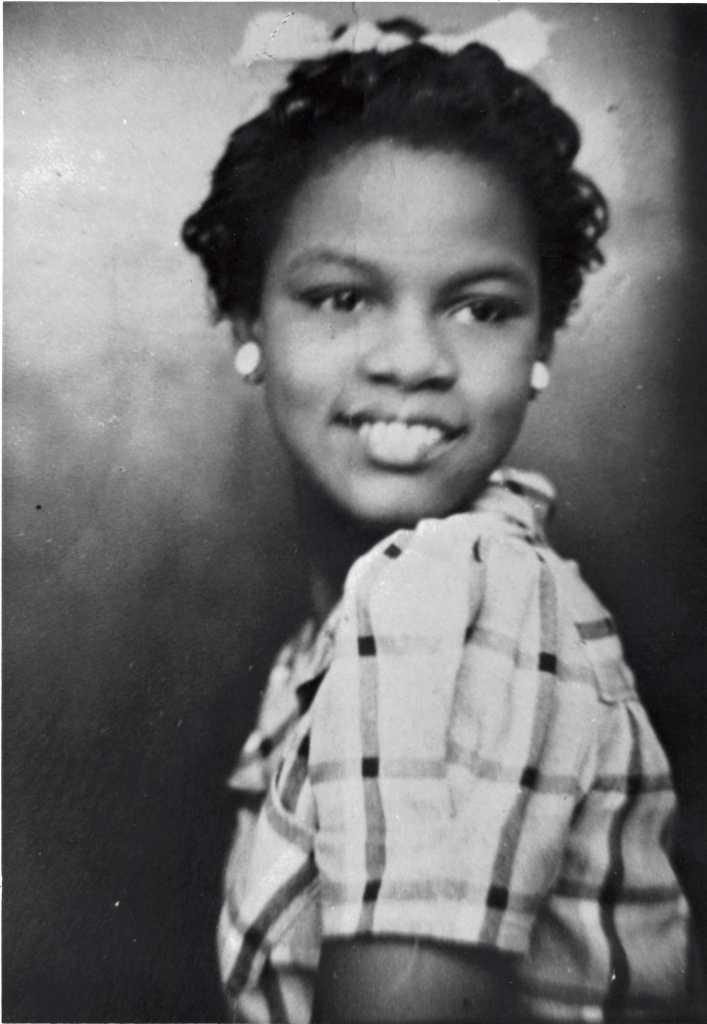
Dorothy Lee Thomas {October 31, 1925 โ€“ May 15, 1985}; daughter of Odetta (Cox) Thomas, daughter of Peoria Cox

This is a photo of Dorothy from high school. I have more recent photographs of her but she wrote notes on the backs of them stating that she looked horrible and was ill (or convalescing).


A few years ago I felt particularly lost and was looking to find myself in my family. Since I was nothing like my siblings and not a lot like my mother (other than sometimes my eyes and sometimes my smile), I looked to my fatherโ€™s family. I didnโ€™t find my face (other than my happiest smile), my body, nor my personality in any of them. Much later I caught a glimpse of myself (personality) in my motherโ€™s brother and I realized that I hadnโ€™t looked to find myself in my mothersโ€™ gardens. Iโ€™ve decided to use the photos in this entry to represent these mothers in my sacred space and I constantly look for myself in their eyes and faces and hands and hair.

Our mothers are our first homes, and thatโ€™s why weโ€™re always trying to return to them.

Michele Filgate, What My Mother and I Donโ€™t Talk About (Simon & Schuster, 2019)

One good thing about the deceased is that the rest of the generations to come have a chance to only know the best of that person. I donโ€™t mean that the bad goes away or that you shouldnโ€™t know the full history of a person โ€“ generational curses, ancestral rituals, as well as their life stories. I mean that when I tell stories about my parents, I tell the hard parts through a filter of both understanding and acceptance. Iโ€™ve had to forgive them for all of their mistakes. Iโ€™d begun the forgiveness process with Daddy before he died, thankfully, but I didnโ€™t realize I had to forgive my mother until she had been gone several years (and family secrets were revealed). I have tried to understand Dorothy as well when I hear hard things about her, often trying to guess what might have happened to her to cause poor behaviors. When my sisterโ€™s children indulge me and let me walk them around Memphis telling tales of our history, itโ€™s โ€œmy parents met in this lobby and it was love at first sightโ€ rather than โ€œmy Daddy was married and 24 years older than my Mommy when they started their affairโ€. Neither version is a secret and while both are true, one is more fun to talk about to the ones who didnโ€™t know them.

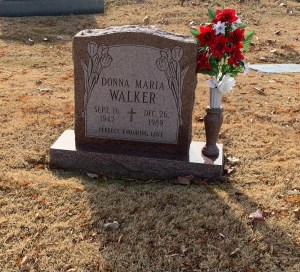
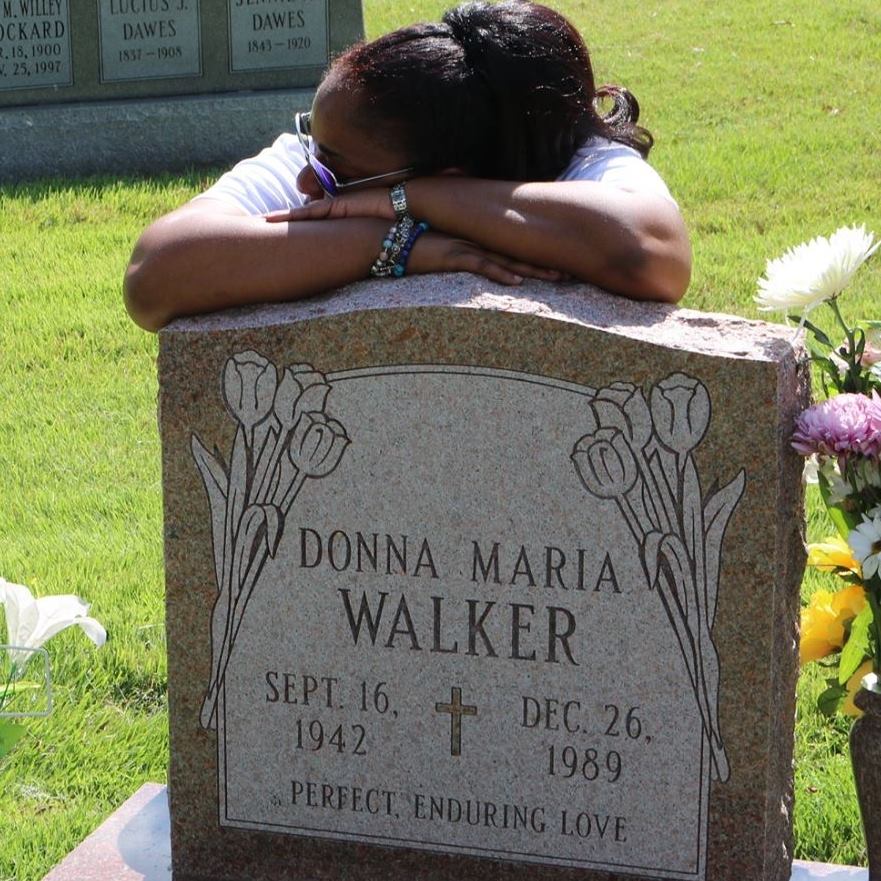
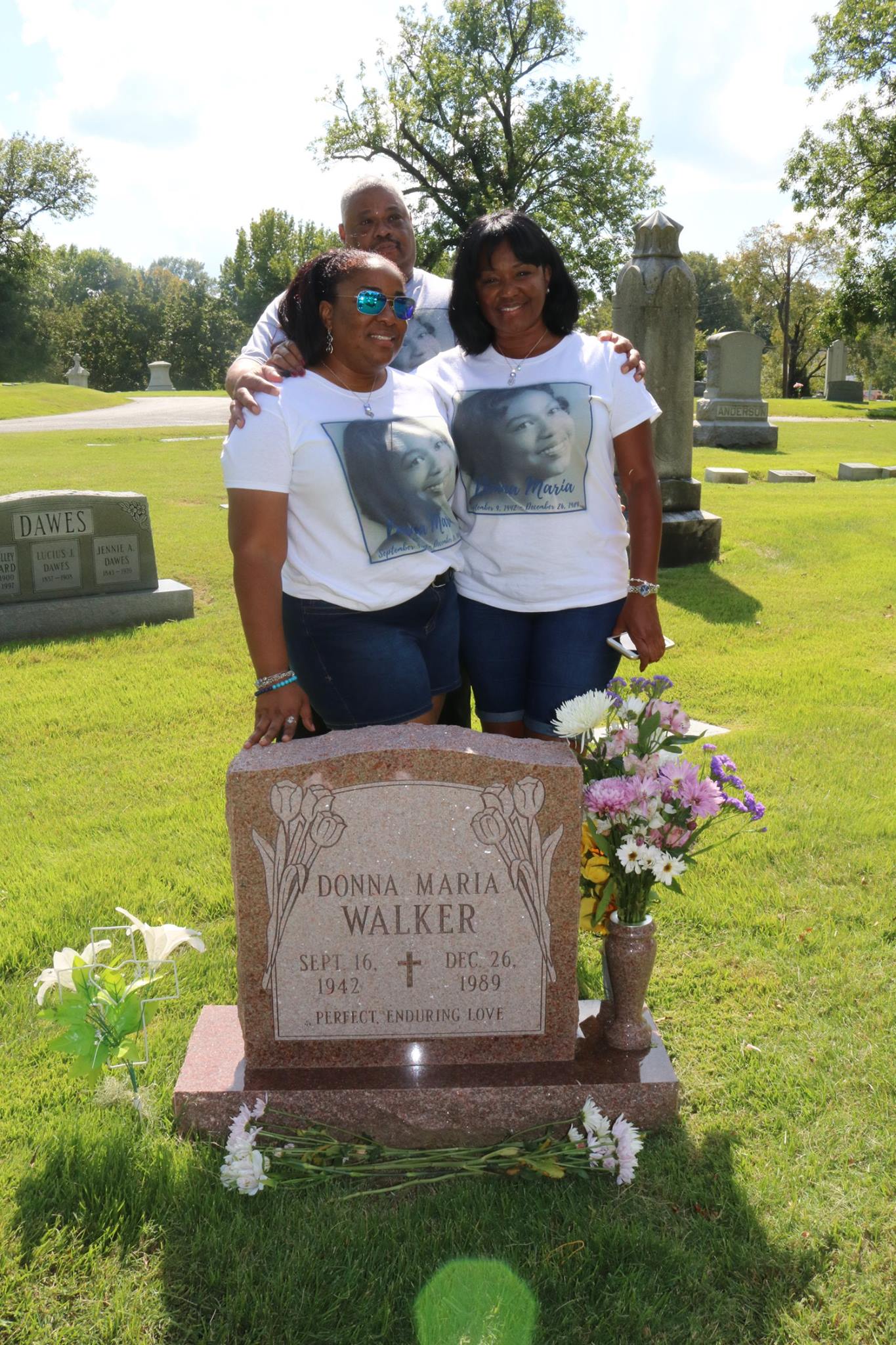
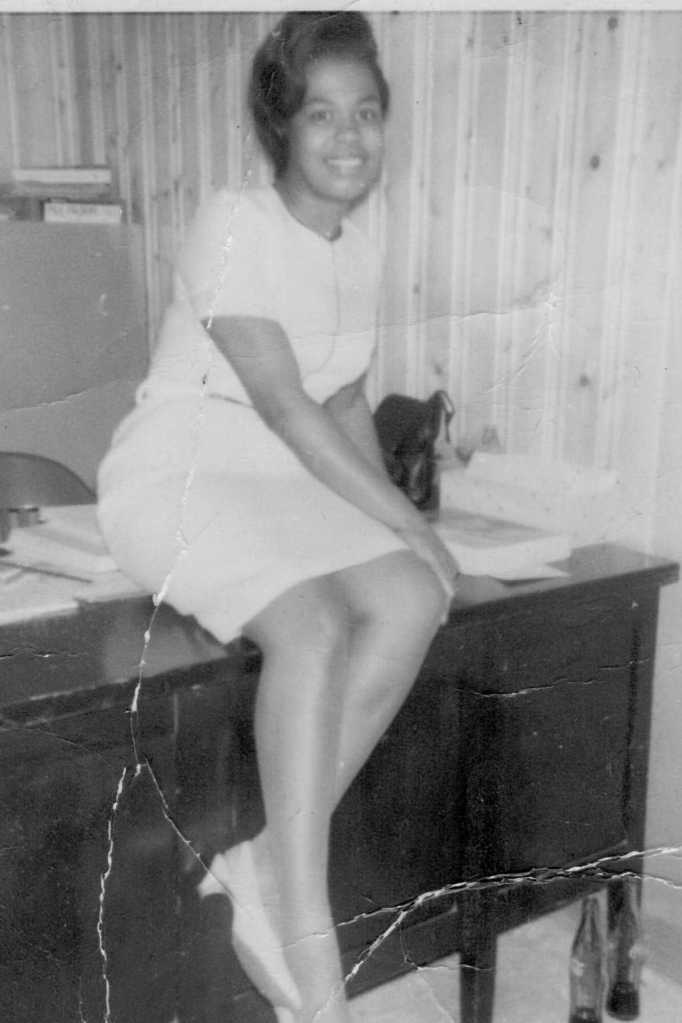
Donna Maria (Terry/Thomas) Walker {September 16, 1942 โ€“ December 26, 1989}; daughter of Dorothy Lee, daughter of Odetta, daughter of Peoria

Mommyโ€™s parents married a couple months after she was born and her maiden name on her birth certificate is Thomas (Dorothyโ€™s maiden name). However, I found a doodle from either Dorothy or Mommy that had Terry (Donnaโ€™s father) as her last name โ€“ kind of the way you doodle your own name with your crushโ€™s last name in your school notebooks.


So, while unfortunately I do not know of any remaining family who can share stories about my generations of mothers, I do get to put the pieces together guessing the best outcomes and I can channel my own femininity from common Bamileke/Cameroonian ancestral rituals and fill in the gaps with pieces of myself.

Regina Lynette Walker; daughter of Donna Maria, daughter of Dorothy Lee, daughter of Odetta, daughter of Peoria

I am Regina Lynette, daughter of Donna Maria, daughter of Dorothy Lee, daughter of Odetta, daughter of Peoria.
5 Min Read, Mental Health

I love my therapist.

I am a black American Christian woman who believes in having a full-on mental health team. I also know that while I am not the only one, I know that itโ€™s not exactly commonplace yet for my demographic. Since I began my mental health journey in college, I have kept my path pretty quiet, sharing information only with people I deemed either safe spaces or emergency contacts. But I think the time has come to say more and say it publicly. This is another reason I decided to do this blog in this manner. Part of who I am includes details about my mental health journey. But you not gonna get the juicy stuff today. Today, I celebrate my current therapist.

I am a black American Christian woman who has a white American woman in charge of her *talk-therapy. And I love my therapist. This year, while watching horrific news about white people killing black people, I found myself in a mental state about racism Iโ€™d never been in before. I simply didnโ€™t want to talk to white people about anything and I didnโ€™t want white people to talk to me about anything, simply because they were white people. I didnโ€™t want apologies. I didnโ€™t want questions. I didnโ€™t want greetings or terms of endearment. I turned my nose up at the idea that a white person had words to say. And about a week before my next therapy appointment โ€“ the one that came after I realized my sensitivities to white people just because they were white – I needed to decide how I was going to talk to my white therapist. Other than the awareness of her being a white person, I didnโ€™t feel the same animosity or angst about talking to this particular white person and I tried to unpack that some before my session. I didnโ€™t do a great job.

My therapist has an artistic background, has lived in other countries, and has lived in large American cities known for diversity as well as smaller southern cities known for lack of diversity and that was enough to remind me that she was a safe space. During that session I told her that I do not want to talk to white people. She paused the session to make sure she understood what I was saying โ€“ because sheโ€™s a white person and I was talking to her. Then I tried to say I still felt she was a safe person despite my current feelings about white people and hoped I wasnโ€™t offensive. A few weeks later she reached out to me to ask if Iโ€™d heard about a therapeutic product made specifically for people of color designed by an African-American therapist.  I thanked her for seeing my color. This was summer 2020. She is still my therapist and I still love my therapist.

That anecdote says nothing about how Iโ€™ve come to love my therapist, nor does it specifically promote therapy. But that anecdote is the demonstration that a therapist to love is a therapist who is right for you and your needs. A therapist to love is one who can handle what life throws you both and can still guide you through those challenging times. A therapist to love is one who sees you clearly and respects you completely. And my therapist is a therapist to love.

When I met this therapist, I was having complications and my chronic mental illness was out of remission leaving me unstable. She was referred to me by my psychiatrist along with a nutritionist. Having had therapy for more than 20 years, I had long developed a process to make sure I got the most out of my sessions. This included self-awareness of issues that surfaced, recognition of things that just werenโ€™t working, and an acknowledgement of the level of disfunction my illness caused versus the level of disfunction my unresolved issues caused (which means I had to accept that sometimes I needed a pill and not only behavior changes).

There were a couple of problems immediately apparent to me in the first few sessions with this therapist. First, I wasnโ€™t going to be in control of this process in the way I had been with previous therapists. Second, I didnโ€™t have the energy, courage, nor foresight to take the reins of this process in the way I had done with previous therapists. Bumping up against that those first few sessions made me reconsider being under her care. I always had an introductory session or consultation before choosing a therapist and could establish my needs at that time. I just made an appointment with this therapist based on my chosen psychiatristโ€™s referral. But I decided to continue because in this case, my psychiatrist, talk-therapist, and nutritionist โ€“ my mental health team โ€“ all knew each other and could discuss my progress together and I wanted to see the benefits of that arrangement. So, I decided to โ€œlet goโ€ (which ended up being the focus for at least a year) and stopped planning for my sessions. I would just show up and follow her lead. I found that the sessions where I had absolutely nothing planned to discuss were the best sessions. We were still getting to know each other, and I wasnโ€™t really giving her much to work with โ€“ I wasnโ€™t showing up and presenting myself to her in the sessions but was open enough to let her sort of rummage around and see what we could work on. And in time, she got to know me. She got to know the characters in my life. She knew when to pause a long time because she could see me thinking. She learned when to either re-direct or end the session because it was just too much to handle. And she learned how to check in with me at the start of each session to see how to best direct our time. Now she has a better handle on me than I have on myself in some ways and I trust her with my everything. Thatโ€™s a therapist to love. And I love my therapist.

Only you know what you need from a therapist and only you know whatโ€™s most important to you in a therapist. However, when I am asked about what Iโ€™ve learned I need from a therapist and whatโ€™s important to me in a therapist, there is one thing that I consistently note first โ€“ the best professionals are artists. Creatives approach medicine with the idea that every human is different and that every human may respond differently to therapy โ€“ both techniques and medications. They understand that the patient knows more about their body and mind than anyone else and therefore require that a partnership be forged to determine a treatment plan (youโ€™ll see this in the agreements in your intake paperwork or it will be discussed during your consultation and/or first appointment). Artists use their passionate natures to fuel their progress. And the patients of creative and artistic medical professionals benefit from getting a partner who holds their hand along the very customized treatment plan to reach the pinnacle of the individualโ€™s health. They lay out a plan based on their education and experience and then stand back and look with admiration and pride at the mixed bag of tricks that the plan actually incorporates as itโ€™s executed. My first artistic doctor beamed with pride with every success I had โ€“ we had. He fought to the death my insurance companies and got pissed at the pharmaceutical companies when they caused problems with getting my prescriptions filled. He was very invested in me and taught me to be very invested in my health.

I just wanted to tell the world that I love my therapist. And I know that it is critical that African-Americans seek therapy, and that African-American issues can often only be understood well by African-American therapists โ€“ so much so that I want to acknowledge it as fact. And Iโ€™ve had both black and white therapists and had positive experiences with both. Have the courage to seek the right therapist for you whether itโ€™s gender, race, color, or any other identifiers and experiences.

I love my therapist.

*I use the term talk-therapy to refer to the sessions provided by my medical professional that rely mostly on talking. There are many different kinds of health professionals who take on this role so I use a broader term to focus on the process rather than the person’s credentials. When I use this term, usually I am separating doctors who prescribe medications from other medical health professionals who focus on a myriad of other techniques.

3 Min Read, Donna Maria Thomas-Walker, grief, Holidays

I am Regina Lynette. I hate December 26th.

I am prone to complicated metaphors. To follow this one, you will have had to have broken a glass on your kitchen floor before. If you havenโ€™t, there are some important things to understand. Shattered glass is tricky. It breaks in large chunks and tiny pieces. Those with experience cleaning broken glass can often manage it without injury. Large chunks go first. Tiny pieces are carefully sought out and picked up with care. And you wipe and sweep and vacuum and mop and wipe and sweep and vacuum and mop again hoping that youโ€™ve gotten everything up. Somehow you know one little shard was missed and you announce to the household that a glass was broken in the kitchen so that everyone takes care. Hard soles are worn for days in the kitchen to protect feet from cuts. And just as soon as everyone forgets about the broken glass, someone not wearing shoes steps on the last missed shard and bleeds. It is never in the place where the glass was broken but usually somewhere odd โ€“ it either ricocheted across the room during the break or was moved by all the wiping and sweeping and vacuuming and mopping.


A child at my church was killed one Christmas Eve. She was younger than I by a few years. Her parents had recently divorced, and she was spending that holiday evening with her father. Sheโ€™d asked to sleep in his room, but he sent her to her own room to be a big girl. Later that night a truck slammed into the house near her room and killed her instantly. It was so horrific that our household was not filled with the usual cloudiness of grief and compassion for others but a foreign inability to comprehend the news. What must that family feel? What does that kind of trauma do to a family that is already smarting from the recent divorce? How do they go on? And do they celebrate Christmases going forward at all?

Then I lost my mother a few years later on December 26th. That following year I remembered thinking about the questions we had about that family whoโ€™d experienced a traumatic loss right at the Christmas holiday โ€“ if theyโ€™d ever celebrate Christmases again. We were quickly approaching my nephewโ€™s first Christmas and of course weโ€™d celebrate Christmases again โ€“ life moved forward regardless of who came along with us.

One can never be adequately prepared for loss, but the accompanying shock and bowlful of mixed reactions is expected and well attended by loved ones in your community โ€“ particularly the elders of the community who come and see about your immediate needs. But what Iโ€™ve never witnessed is anyone taking care of people in the aftermath of loss. Once youโ€™re sort of standing on your own, no longer hunched over in sobs and listless with grief you are often left to figure out the rest of your life on your own.

Exactly one year after my mother died, I woke up in my sisterโ€™s house to silence. It wasnโ€™t particularly unusual to wake up to silence, but this silence felt eerie. As I sat up in bed trying to understand what I was feeling, it dawned on me โ€“ I expected that everyone would be dead. I donโ€™t mean everyone in the house. I mean everyone in the world. I was old enough to know that was an irrational thought, but it paralyzed me in the bed. After a while, I heard life sounds and I knew everyone in the house was accounted for and was able to continue about my day as usual. I would not feel that kind of fear again until the following December 26th. And I would continue to feel that fear every December 26th.

After seeking professional therapy for the trauma associated with the loss of my mother, December 26th wasnโ€™t as bad. I didnโ€™t expect that everyone in the world was dead, but I did still spend some part of the early morning reminding myself that my thoughts were irrational and even if someone did not wake up that day, I would be able to survive it. It usually happened when there was only one person who slept later than everyone else so I would just wake them up if I couldnโ€™t console myself.

This year I woke up late on December 26th. My tummy woke me up, finally ready for a meal that was not chicken wings and I got up to make breakfast. Just before I went downstairs to the kitchen, I realized that I didnโ€™t have that annual December 26th fear. There wasnโ€™t any feeling at all โ€“ it was a normal day as it should have been โ€“ and I went downstairs to eat. A few minutes later, everyone else in the house emerged from bedrooms and I was so grateful that I hadnโ€™t even been listening for life sounds that morning. It was a perfectly normal day. It even dared to be sunny and warm.

But I still hate December 26th and I spent the day with a general I-donโ€™t-feel-good funk. Maybe it was grief. Maybe it was because Iโ€™d eaten my weight in chicken wings the day before.

I am Regina Lynette. I hate December 26th.

10 Min Read, Donna Maria Thomas-Walker

I am Regina Lynette. I was the one who found her.


My memory of the last quarter of 1989 is a bit spotty now as I have suppressed some details that were hard to process at the time. The piece that is perhaps most critical to this story is that my mother, in the doctorโ€™s words, โ€œliterally blew her topโ€ while we were out of town visiting my sister. Her blood pressure rose so high that she had a seizure, and she was hospitalized until it lowered some. When we eventually returned home, we were vigilant about her salt intake โ€“ the only factor we were aware of in our limited education that would affect her health. Somewhere in those weeks I had my thirteenth birthday (which I do not remember celebrating at all) and a stomach virus. I was feeling better by Christmas Eve 1989.


On Christmas Eve 1989, I baked sugar cookies with red and green sprinkles. No one had the โ€œChristmas Spiritโ€ and I was trying to rustle up some cheer. My sister was having a challenging first pregnancy and was on the other end of the state. My brother was having other challenges โ€“ I donโ€™t recall what and donโ€™t remember where he was; just that it was a long-distance call and I knew where to find his phone number. They were both married and โ€œthe kidsโ€ were now adults and had their own lives to deal with. Logically we all understood that we werenโ€™t central to their lives anymore. But we all felt the absence because this was the first Christmas that no one was coming home.


Daddy had been at work on his part-time security job and returned home tired and cold. We spoke briefly and he went to his room. Mommy was relaxing on the couch watching television when I went to ask Daddy if he wanted any cookies. I walked into his room, called his name, but he didnโ€™t stir. He didnโ€™t look right โ€“ slumped over with a book falling out of his hand. It scared me and I called his name again much louder. He found his way out of his slumber and answered. I asked if he wanted cookies, said something about regretting waking him up, maybe even told him to go back to sleep. I ran back to the kitchen and prayed โ€“ โ€œDear God, please donโ€™t let my daddy die.โ€ I wiped the tears that were falling and pretended to be tired and went to bed.


Christmas arrived rather uneventfully. I remember getting a Juicy Fruit watch, a Nintendo game (I donโ€™t remember which one), and Karyn Whiteโ€™s self-titled debut album on cassette. I spent the day learning all the words to โ€œSuperwomanโ€ and playing whatever game I got. Apparently I got some cash because Mommy and I planned to go to shopping the day-after-Christmas sales. And later that night Daddy left to work an overnight shift.


When I woke up the next morning, I remembered having a dream that featured Malcolm Jamal Warner and smiling because I had a crush on him. I lay back down almost hoping to catch the rest of that dream and then a series of events occurred that under other circumstances would mean absolutely nothing. Daddy came home and I remember thinking he was making too much noise. Mommy liked to wake up naturally, not from other peopleโ€™s living sounds. He went to the back of the house for a moment and when he returned to the kitchen he asked me if Mommy had been up and I said something about leaving her to sleep late. Then the dryer buzzed letting us know that the clothes were dry. Daddy asked me to check and see if that woke up Mommy โ€“ which was a bit weird โ€“ and I dismissed it, told him it wasnโ€™t that loud. Then the phone rang. I purposely let it ring too many times hoping she would answer โ€“ usually by the second ring because she couldnโ€™t stand to hear it. When she didnโ€™t answer, I picked up just before the answering machine would have picked up and answered it. It was a follow-up call from the doctor about the virus Iโ€™d had. And after I hung up, I tiptoed toward Mommyโ€™s room and peeked inside. I thought she was sleeping but I decided to try and wake her up. She didnโ€™t.

I was the one who found her.


I called for Daddy. I picked up the phone to dial 911 while Daddy turned her over. I hadnโ€™t dialed 911 โ€“ just held the phone – so I asked if I should and Daddy said he was afraid sheโ€™d passed. My brain didnโ€™t accept that so I called 911. Funnily enough I recalled my training in school every year from Kindergarten until that day about calling in emergencies and the script didnโ€™t go exactly as weโ€™d rehearsed. I often recall strange specifics like that.


I remember the paramedics entered from the front door, which we seldom used. I remember they went to her bedroom and I ran to the kitchen again to pray. My prayers this time were bargaining โ€“ I promised to go to every church service and pray everyday and read my Bible or something if my Mommy was okay. As soon as I said, โ€œAmen,โ€ the paramedics confirmed she was gone and had been for a while.


I was the one who found her. So I was expected to report on her last movements, her position when found, and other things that made my brain give me amnesia. It was already trying to erase the images and details. Because I was the one who found her.


Neighbors were in and out of the house uninvited, drawn in by curiosity of an emergency vehicle at the house. I was spinning. My father became both silent and formal with the neighbors and getting instructions from the paramedics. And I didnโ€™t know what to do with the feelings I had. I was the one who found her.


After the body was removed from the house, I called my Godmother, Lucy Bell, first. She was closest and most important. She could do what Daddy couldnโ€™t which was give me something I didnโ€™t even want from him โ€“ make me feel safe. But her mother answered the phone and told me that she wasnโ€™t home. Her mother was the first person I told that my mother died. I remember she kept saying โ€œNaw! Aw naw! Naw!โ€ I didnโ€™t have time or energy to penetrate her shock and disbelief, so I just told her to pass on the message and I dialed my sister next.


My sister was far away but she was the next person I wanted near me. Now, I donโ€™t recall what I said to her on the phone. I know I said the same words to everyone I called โ€“ Mama died โ€“ but I donโ€™t know what else I said. I remember that every time I said it, I looked at Mommyโ€™s room. Somewhere during or right after that call my Godmother had taken me in her arms. She didnโ€™t call me back but ran to the house as soon as she got the news. I went limp. It felt wrong. It was exactly what I needed and wanted and at the same time it was wrong. I donโ€™t think weโ€™d ever really hugged before. I returned to the task of calling the people who needed to know immediately.


My brother was next. I know that I said, โ€œMama diedโ€ and I know that he kept saying โ€œWhat?โ€. I know that I said it maybe three times and each time he responded the same way. So my Godmother took the phone. โ€œVictor, Victorโ€ฆ.Viโ€ฆโ€ and I heard him yelling unintelligibly. The phone was returned to me. I donโ€™t remember much else of that conversation.


I donโ€™t remember if I called Mommyโ€™s brother then, but I remember that shortly after my Godmother arrived there were too many people in the house. There was too much noise. I was angry with my father because I knew he couldnโ€™t give me what I needed. Church folks were arriving โ€“ Deacons were sitting with him and it pissed me off. I wanted the ones who were supposed to comfort me and walk beside me through those initial moments. My Godmother was trying to take care of some business of some sort and I felt a shift in my emotions and in my mental state โ€“ I had to get out of that house. It still happens to me that way, usually when there are too many people around. My skin itches and the air seems to dissipate out of the room and respect and consideration of others be damned โ€“ get out of my way, literally, because I am getting the hell out of there by any means I deem necessary. I told my Godmother to get me out of the house. Nothing was happening quickly enough and people thought it was better that I stay at the house. So I screamed until my Godmother heard me โ€“ I mean really heard that I needed to get out of that house. And unfortunately someone else said, โ€œCome on and go to my house with me.โ€ It did not feel like a rescue. It felt like a last resort. And so I went with another church member and stayed away until my sister arrived in town.


Mommy died the day after Christmas and her funeral was about 3 days later. And somewhere in all the confusion, no one could hear me. Whenever I said words people didnโ€™t respond. Could I have been mute thinking I was audible? I donโ€™t think so because everyone was whispering about me practically non-stop. They had to see me. They just couldnโ€™t hear me.


Of all that was said, the thing I held on to was โ€œsheโ€™s the one who found herโ€. I was the one who found her. I was the one who found her. That was to me the most cruel part of the circumstances surrounding the most traumatic event of my life โ€“ nothing has touched it in 30 years and I find it hard to imagine that anything will ever top it. But I should have been wrapped in the cocoon that the adults in my life always kept me in when this happened. I should never have been on the frontlines. I should have been one of the people getting the news, not the one delivering the news. There should have been the right people, ready with tissues, telling me the right words, and holding me while I absorbed the shock and my body grieved.


I was the one who found her and for the next several years whenever I had to identify my mother, who died, I added as if it was part of my name that I was the one who found her. If I wore my first name like a diamond tiara, I wore this label like a crown of thorns. It would be decades before I removed that crown of thorns and chose my own name and identity.


I am Regina Lynette. I was the one who found her.