3 Min Read, Donna Maria Thomas-Walker, grief, Holidays

I am Regina Lynette. I hate December 26th.

I am prone to complicated metaphors. To follow this one, you will have had to have broken a glass on your kitchen floor before. If you havenโ€™t, there are some important things to understand. Shattered glass is tricky. It breaks in large chunks and tiny pieces. Those with experience cleaning broken glass can often manage it without injury. Large chunks go first. Tiny pieces are carefully sought out and picked up with care. And you wipe and sweep and vacuum and mop and wipe and sweep and vacuum and mop again hoping that youโ€™ve gotten everything up. Somehow you know one little shard was missed and you announce to the household that a glass was broken in the kitchen so that everyone takes care. Hard soles are worn for days in the kitchen to protect feet from cuts. And just as soon as everyone forgets about the broken glass, someone not wearing shoes steps on the last missed shard and bleeds. It is never in the place where the glass was broken but usually somewhere odd โ€“ it either ricocheted across the room during the break or was moved by all the wiping and sweeping and vacuuming and mopping.


A child at my church was killed one Christmas Eve. She was younger than I by a few years. Her parents had recently divorced, and she was spending that holiday evening with her father. Sheโ€™d asked to sleep in his room, but he sent her to her own room to be a big girl. Later that night a truck slammed into the house near her room and killed her instantly. It was so horrific that our household was not filled with the usual cloudiness of grief and compassion for others but a foreign inability to comprehend the news. What must that family feel? What does that kind of trauma do to a family that is already smarting from the recent divorce? How do they go on? And do they celebrate Christmases going forward at all?
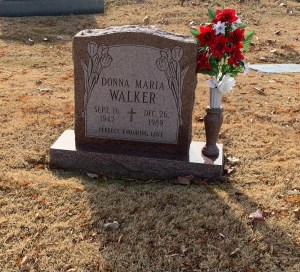
Then I lost my mother a few years later on December 26th. That following year I remembered thinking about the questions we had about that family whoโ€™d experienced a traumatic loss right at the Christmas holiday โ€“ if theyโ€™d ever celebrate Christmases again. We were quickly approaching my nephewโ€™s first Christmas and of course weโ€™d celebrate Christmases again โ€“ life moved forward regardless of who came along with us.

One can never be adequately prepared for loss, but the accompanying shock and bowlful of mixed reactions is expected and well attended by loved ones in your community โ€“ particularly the elders of the community who come and see about your immediate needs. But what Iโ€™ve never witnessed is anyone taking care of people in the aftermath of loss. Once youโ€™re sort of standing on your own, no longer hunched over in sobs and listless with grief you are often left to figure out the rest of your life on your own.

Exactly one year after my mother died, I woke up in my sisterโ€™s house to silence. It wasnโ€™t particularly unusual to wake up to silence, but this silence felt eerie. As I sat up in bed trying to understand what I was feeling, it dawned on me โ€“ I expected that everyone would be dead. I donโ€™t mean everyone in the house. I mean everyone in the world. I was old enough to know that was an irrational thought, but it paralyzed me in the bed. After a while, I heard life sounds and I knew everyone in the house was accounted for and was able to continue about my day as usual. I would not feel that kind of fear again until the following December 26th. And I would continue to feel that fear every December 26th.

After seeking professional therapy for the trauma associated with the loss of my mother, December 26th wasnโ€™t as bad. I didnโ€™t expect that everyone in the world was dead, but I did still spend some part of the early morning reminding myself that my thoughts were irrational and even if someone did not wake up that day, I would be able to survive it. It usually happened when there was only one person who slept later than everyone else so I would just wake them up if I couldnโ€™t console myself.

This year I woke up late on December 26th. My tummy woke me up, finally ready for a meal that was not chicken wings and I got up to make breakfast. Just before I went downstairs to the kitchen, I realized that I didnโ€™t have that annual December 26th fear. There wasnโ€™t any feeling at all โ€“ it was a normal day as it should have been โ€“ and I went downstairs to eat. A few minutes later, everyone else in the house emerged from bedrooms and I was so grateful that I hadnโ€™t even been listening for life sounds that morning. It was a perfectly normal day. It even dared to be sunny and warm.

But I still hate December 26th and I spent the day with a general I-donโ€™t-feel-good funk. Maybe it was grief. Maybe it was because Iโ€™d eaten my weight in chicken wings the day before.

I am Regina Lynette. I hate December 26th.

10 Min Read, Donna Maria Thomas-Walker, Parenting

I am Regina Lynette. People used to call me healthy.

The first time I heard the word โ€œhealthyโ€ as one of my identifiers, it was at the pediatricianโ€™s office. The nurse couldnโ€™t lift me up on the table and said, โ€œOoh! Sheโ€™s healthy!โ€ in a very perky everything-will-be-okay voice. She found a step stool so I could climb on the table, and I did so with ease and plenty of side-eye. That nurse truly offended pre-school me.

I remember vividly thinking she was so rude, and I was wondering why she didnโ€™t already have the step stool at the table โ€“ where it had always been anyway because I was always already on the table even though everybody else in that office could pick me up to put me on the table. And I thought it was ridiculous for her, a medical professional, to use the word โ€œhealthyโ€ when she so obviously meant the opposite. (Itโ€™s fun for me to recall my thoughts from before the age of five. They are just flashes, but I was a wonderfully precocious child โ€“ much to the dismay of all the adults in my life.)

I would go on to be called healthy by a myriad of characters, major and minor, in my life story. I can remember visiting with my childhood best friendโ€™s extended family and hearing many versions of, โ€œOoh! She healthy! You sure you donโ€™t want some more white rice with margarine butter and sugar on it?โ€ usually in that sugar-sweet-southern-black-Grandma tone of voice. I was the healthy one and my friend was called skinny, and unfortunately neither of us was celebrated for our sizes.

My childhood BFFโ€™s family offended elementary school me. I remember thinking it was incredibly rude to call me fat โ€“ because letโ€™s be honest, thatโ€™s what it was โ€“ and then decide I must need more food than my friend, not the same amount and not less.

As an adult looking back on white rice with butter and sugar, I shake my head when I think of the poison that she was putting down my throat. Okay, maybe not quite poison, but Iโ€™m melodramatic and a bit in my feelings right now so Iโ€™m sticking to poison. Among the recollections I have around my being healthy fat include being told that I was too heavy for my father to pick up and the cause of his hernia surgery, hearing as part of my birth story  that my size as a fetus was so dangerous to my mother that a c-section birth was required, and having to wear Pretty Plus clothing sizes.

Before I was officially in Pretty Plus clothing sizes, I was close in size to a childhood friend – two years older than me – who was the daughter of one of my motherโ€™s work friends. They would go to a store on their lunch break and buy bags full of matching clothes for us to wear. We tried them on and our mothers would return whatever didnโ€™t fit. Thankfully our entire wardrobe didnโ€™t match but only because we didnโ€™t have identical bodies and different items were returned. That would take me to the most memorable moment of feeling like a fat child and the first time I almost lost my whole life.

There was a dress, I called it the American Flag dress because it was white with red stripes and a blue sash, that both my childhood friend and I owned. We wore it at the same time like Bobbsey twins and continued to grow, as little girls are prone to do. One day I could no longer fit into the dress, but my friendโ€™s still fit her perfectly.

This was taken on my ninth birthday. My friend is wearing the American Flag dress after I couldn’t fit into mine anymore.

One very dreadful day, Mommy gave some sort of lecture about how my friend could still get into her dress as if I should be ashamed that I couldnโ€™t get into mine. I donโ€™t remember everything she said, just the way it made me feel, but I distinctly remember what I said. It was only one word, but it was full of tone and sass and attitude and exasperation โ€“ โ€œAnd?โ€ The look in Mommyโ€™s eyes when she turned her head to look this child dead in her eyes to be sure it was really the one she gave birth to who dared to get smart-mouthed with her. She made eye contact and confirmed that it was indeed her own daughter who dared to utter that word in that tone to her own mother and the room grew very cold. One word almost cost me my whole entire life. My heart is pounding in my chest at the memory. I stammered, โ€œAnd… that’s good for her. I mean, I โ€ฆ uh โ€ฆโ€ and finally I just gave in โ€“ โ€œIโ€™m sorry Mama. I didnโ€™t mean it.โ€ Because there was no fixing the obvious stank in my response. And once she turned back to whatever she was doing โ€“ I think folding the dress to give it away โ€“ I ran out of the room and stayed away from her until she looked and sounded like Mommy again.

From the perspective of an adult who can hold two seemingly contradicting truths in her mind at the same time, there was absolutely nothing I could say or do particularly at that age to change the fact that I couldnโ€™t fit into that dress anymore. And the only thing I could have done to change the fact that my friend still fit into hers was to destroy her dress (I didnโ€™t). But silence would have been 100% better and more respectful than โ€œand?โ€ as in โ€œwhat you want me to do about it?โ€

I know that I wouldnโ€™t have told that story about the dress if Mommy was still living. Iโ€™m not a parent, but I know that no mother would want to know that her actions or words were heartbreaking to her child. And for all my parentsโ€™ flaws and imperfections, I know without a doubt that I was loved and loved unconditionally. Iโ€™m blessed to have been born at a time when they were at their best as parents โ€“ a benefit of being a โ€œpleasant surpriseโ€ well after they both thought they were finished with their โ€œmultiply the earthโ€ duties. So just in case you are judging Mommy, please reconsider (and donโ€™t you dare tell me, โ€˜cause them is fightinโ€™ words).

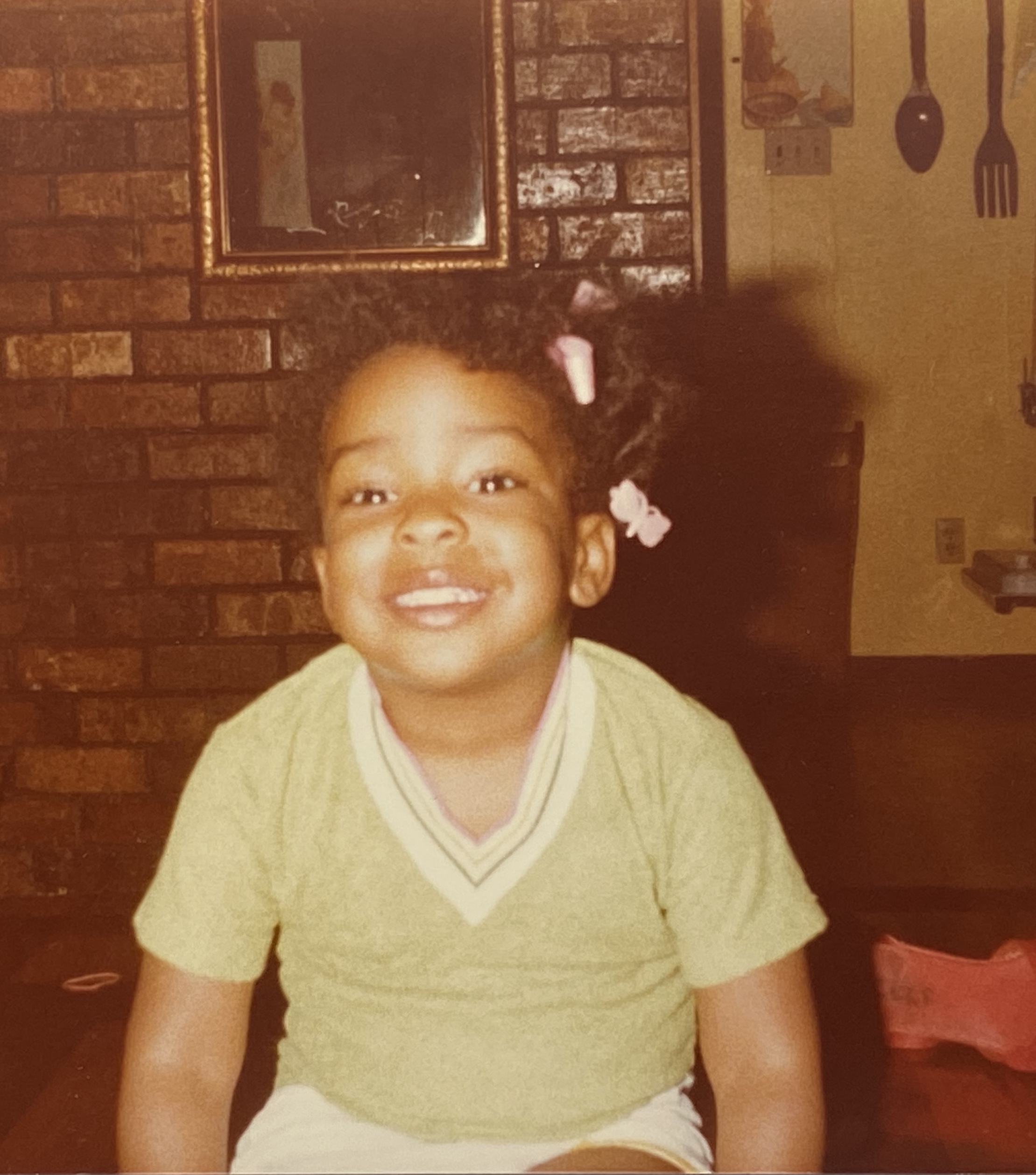
There are many photos of me as a child from the first one in the hospital when I was born to my senior heads in photo albums and boxes. For years I have looked at those pictures and saw a fat girl. But about seven years ago, I really looked at those pictures and wondered what people were talking about โ€“ there was no fat girl in those pictures. I had a big ole butt and that was the reason I had to wear Pretty Plus clothes โ€“ I just needed room in the hips. I had a big ole butt that astonished grown folks and it was the topic of so much conversation, talking about me in front of my face when it should have been behind my back (or not at all but people arenโ€™t flawless).

I had a big ole butt and shouldnโ€™t have been picked up so much after I started walking. I had a big ole butt that all my childhood friends wanted in middle and high school and I would have gladly passed it on to them all. And I grew relatively fast โ€“ everyone thought I was going to be tall. I am 5โ€™4โ€ so not quite tall.

And what breaks my heart most of all is that I believed I was a fat girl and that there wasnโ€™t anything I could do to change it โ€“ no diets, no exercise ever got rid of my big ole butt. And then one day as a young adult I saw I had what I called โ€œfat girlโ€ knees. Shirts were tight on the arms. I couldnโ€™t find pants that fit over everything unless they were two sizes too big. Skirts hung high on my butt and dipped low in the front. And I remember the day I had to start shopping in a different section of stores. I skipped all over Juniors which is where my friends shopped. When I saw that I was going to be a fat woman, I stopped trying to be anything else. This was not body acceptance. This is to say that I accepted what everyone else told me as a child that I would be – that I received all of those thoughtless comments and believed I had no other choice but to be a fat girl. I stopped exercising because I was only exercising to lose weight and I wasnโ€™t losing the weight I wanted. I stopped eating with intention and settled into eating for comfort because if I am going to weigh about the same eating kale everyday as I would eating lemon-pepper wings everyday, why not have the wings?

My name is Regina Lynette. People used to call me healthy.